
 © OpenStreetMap contributors
Table of Contents
California is one of the most geologically diverse states in the country — and that makes it both an incredible rockhounding destination and a confusing one. You can find gem-grade tourmaline in the pegmatites of San Diego County, nephrite jade in the Big Sur surf, desert agates in the Mojave, gold in Sierra foothill rivers, and geodes in the Imperial County badlands. All in the same state.
The challenge is that California is also one of the most access-complicated states. State parks are mostly off-limits, wilderness areas restrict collecting, mining claims cover large swaths of the Sierras, and the rules change depending on whether you're on BLM land, National Forest, state beach, or private property. This guide focuses on the places where the geology and the access actually line up into a plan you can use.
Best Collecting Sites in California
California's collecting opportunities break down into distinct types: fee-dig gem mining, coastal collecting, desert surface hunting, and river panning. Each requires a different approach, different gear, and different access research.
Oceanview Mine (Pala District)
The clearest gem-collecting experience in California. A reservation-based private fee dig in the Pala pegmatite district where visitors screen mine material for tourmaline, kunzite, morganite, and aquamarine.
Tip: Book well in advance. Read the current sign-up and FAQ pages before committing. This is a schedule-driven trip, not an improvisational one.
Jade Cove (Big Sur Coast)
One of California's most famous coastal collecting spots. Nephrite jade can be found in the surf zone and along the rocky shoreline south of Big Sur. Collecting is legal below the high-tide line on public beach, but access is steep and conditions are unpredictable.
Tip: Timing is everything. Go at low tide, watch for rogue waves, and never turn your back on the ocean. The best jade shows up after winter storms move material around.
Mojave Desert BLM Areas (Barstow–Ludlow Corridor)
The vast BLM-managed desert between Barstow and Ludlow holds scattered agate, jasper, and chalcedony collecting opportunities. The Lavic Jasper area and Cady Mountains are the most documented targets in the corridor.
Tip: Desert navigation skills are essential. Bring GPS, plenty of water, and fuel. These are remote sites with no cell service and rough dirt roads.
South Fork American River (Gold Country)
The heart of California's Gold Rush history. Recreational gold panning is allowed in many river sections in El Dorado and Placer counties, and you can also find quartz, garnets, and other minerals in the gravel.
Tip: Most productive after high water recedes in late spring. Focus on inside bends and bedrock crevices. Always verify which river sections allow panning — some have seasonal closures or claim restrictions.
Northern California Beaches (Mendocino–Humboldt Coast)
The rugged Northern California coast produces agate, jasper, and sea glass on public beaches. Moonstone Beach near Trinidad and Agate Beach near Patrick's Point are well-documented rockhounding destinations.
Tip: Winter storms produce the best beach-collecting conditions. Low tide is essential. Wear waterproof boots and watch for sneaker waves on the North Coast.
Wiley Well District (Imperial County)
A BLM-managed area in the southeastern California desert known for geodes, agate, and jasper. The Hauser Geode Beds and Cinnamon geode areas within the district are among the most productive geode-collecting sites in the state.
Tip: The best geode hunting requires some digging into the volcanic ash layers. Bring a pick, shovel, and eye protection. Desert heat is brutal from May through October.
Collecting by Region
California is too large to treat as one collecting area. Each region has different geology, different access patterns, and different minerals. Pick your region first, then plan around what that region actually offers.
Southern California Gem Districts
The Pala district in San Diego County is California's headline gem story. Historically one of the world's most important tourmaline sources, the district still produces through fee-dig operations like Oceanview Mine. You can find kunzite, morganite, aquamarine, and quartz alongside the tourmaline. This is reservation-based, managed collecting — not casual surface hunting.
Central Coast (Big Sur to San Luis Obispo)
The Central Coast is jade country. Jade Cove south of Big Sur is the most famous spot, but nephrite jade and serpentine appear along much of the coast where the Franciscan Formation meets the ocean. Collecting below the high-tide line is legal on public beaches, but the terrain is steep, the surf is dangerous, and timing around tides is critical.
The inland Coast Ranges also produce jasper, serpentine, and occasionally chromite and other ultramafic minerals. Access varies heavily by land ownership.
Mojave Desert and Southeastern California
The California desert is where the state starts to feel like Arizona — large tracts of BLM land where casual collecting is allowed and the geology delivers agate, jasper, chalcedony, and volcanic material. The Lavic Jasper area near Ludlow, the Cady Mountains, and the Wiley Well district near the Arizona border are the most documented targets.
The southeastern desert around Imperial County is also California's best geodeterritory. The Hauser Geode Beds and surrounding areas produce small to medium geodes with quartz and chalcedony interiors — similar to what you'd find at Dugway Geode Beds in Utah.
Sierra Nevada Foothills (Gold Country)
The Mother Lode belt running through the western Sierra foothills is where California's mining history lives. Recreational gold panning is allowed in many river sections, and you'll also find quartz, garnet, and other minerals in the river gravel. El Dorado, Placer, and Nevada counties have the most documented gold-panning access.
The foothill region also produces interesting metamorphic minerals — actinolite, tremolite, and mariposite among them — though these are more for the experienced collector who knows what to look for.
San Benito County (Benitoite)
California's state gem, benitoite, is found almost nowhere else on Earth. The original Benitoite Gem Mine in San Benito County has historically offered public collecting, but access and availability fluctuate. If benitoite is your goal, verify current status before building a trip around it — this is not a casual drop-in site.
What You Can Find in California
- Tourmaline — California's most valuable collecting mineral, concentrated in the Pala district pegmatites. Available through fee-dig operations. Multi-colored specimens including rubellite and indicolite.
- Jade (Nephrite) — Found along the Central Coast, especially at Jade Cove. Ranges from dark green to near-black. Requires tide timing and physical effort to collect.
- Agate and Jasper — The state's most widespread collectible minerals. Found in the Mojave Desert, along the North Coast, and scattered through the Coast Ranges. Lavic jasper from the Barstow area is particularly prized for its patterns and colors.
- Gold — Still found in Sierra foothill rivers through recreational panning. Small flakes and occasional nuggets. The experience is part geology, part history.
- Quartz — Found statewide, from pegmatite crystals in the Pala district to river gravel in the Sierras to desert float in the Mojave.
- Geodes — The Wiley Well district and Hauser Geode Beds in Imperial County produce small to medium geodes with quartz and chalcedony interiors.
- Kunzite and Morganite — Gem-quality beryl and spodumene varieties found in the Pala district pegmatites alongside tourmaline.
- Benitoite — The state gem. Extremely rare, found almost exclusively in San Benito County. Blue crystals in a natrolite matrix — one of the rarest collectible minerals in the US.
California's mineral diversity is genuinely world-class. The California Geological Survey documents hundreds of mineral species across the state. But the useful version of that list is the subset you can actually plan around — and that's what this guide focuses on.
California Rockhounding Rules, Permits & Legality
California is an access-complicated state. The rules change dramatically depending on land type, and the default assumptions that work in Arizona or Utahdon't always apply here.
| Land Type | Can You Collect? | Key Notes |
|---|---|---|
| BLM land | Yes | Casual personal collecting allowed in reasonable quantities. California's BLM land is concentrated in the desert regions. Some areas fall within wilderness or conservation designations that restrict collecting. |
| National Forest | Usually yes | Recreational collecting generally allowed, but check with the local ranger district. Active mining claims can restrict access in the Sierras. |
| California State Parks | Usually no | Most state parks prohibit removing rocks, minerals, or natural materials. Some units allow gold panning by specific exception. Do not assume access. |
| National Parks | No | Strictly prohibited. Includes Death Valley, Yosemite, Joshua Tree, and all other NPS units. |
| Public beaches | Yes (below high-tide line) | Collecting below the mean high-tide line is generally legal on California's public beaches. This is how jade collecting at Jade Cove works. |
| Fee-dig sites | Yes | Private mines open to the public for a fee. Reservation required at most California operations. Finders keepers. |
| Private land | With permission | Always get written permission. Much of the Sierra foothill mining country is privately held or under active claims. |
California also has specific rules about motorized mining equipment. Suction dredging requires a permit from the California Department of Fish and Wildlife and is prohibited on many waterways. Recreational hand-panning is different from mechanized mining — keep your method simple and legal.
For the broader legal framework, read Where Can You Legally Go Rockhounding?
Best Time to Go Rockhounding in California
California's collecting calendar depends entirely on which region you're targeting:
- Desert (Mojave, Imperial County):October through April. Summer temperatures in the Mojave and southeastern desert regularly exceed 110°F — this is not a minor inconvenience, it's a safety issue.
- Southern California gem districts: Fall through spring is easiest for scheduling and heat management. Oceanview Mine runs year-round but books out — plan ahead.
- Central Coast (jade): Late fall through early spring, after winter storms move fresh material into the surf zone. Low tide is essential regardless of season.
- Sierra foothills (gold panning): Late spring through early fall, after snowmelt recedes and river levels drop. The best panning happens when fresh gravel is accessible but the water is safe to wade.
- North Coast (agate, jasper): Winter storms produce the best beach collecting. Combine with low tide for maximum effectiveness. Dress for rain and cold — this is not Southern California weather.
Recommended Gear
What you pack for California depends on what kind of collecting you're doing:
- Desert collecting:Water (at least one gallon per person per day), sun protection, GPS or offline maps, a spray bottle for reading agate surfaces, and sturdy closed-toe shoes. Bring a rock hammer and eye protection if you're planning to break rock. Read our desert safety guide.
- Beach collecting:Waterproof boots, layers for wind and spray, a mesh bag for finds, and tide charts. No tools needed for most beach collecting — it's all surface.
- Fee-dig sites:Follow the operator's gear list. Oceanview Mine provides screening equipment. Bring gloves, sun protection, water, and containers for your finds.
- Gold panning: A 14-inch gold pan, a classifier (sieve), snuffer bottle, small vials for flakes, and waders or water-shoes depending on the river.
- Geode hunting: A pick or mattock for digging into ash layers, eye protection, a bucket, and newspaper or bubble wrap for transporting intact geodes home.
For a complete gear breakdown, see Building Your First Field Kit.
Safety Tips
- Desert heat is the #1 danger. Summer temperatures in the Mojave and Imperial County desert routinely exceed 110°F. Collect October through April, start early, and carry more water than you think you need.
- Ocean safety on the coast.Sneaker waves kill people on the California coast every year. Never turn your back on the ocean. Watch for incoming waves, stay off wet rocks, and don't wade into the surf to reach specimens.
- River safety in Gold Country.Spring runoff creates dangerous current in Sierra rivers. Don't wade in fast-moving water. Stay on gravel bars and work the edges.
- Remote access.Many California collecting sites are on unpaved roads with no cell service. Tell someone where you're going. Carry a spare tire, extra fuel, and basic supplies.
- Rattlesnakes. Present in desert and foothill habitats throughout California. Watch where you step and where you put your hands, especially when reaching into crevices or turning over rocks.
- Abandoned mines. California has thousands of abandoned mines, especially in Gold Country and desert regions. Never enter them — they are structurally unsafe and poorly ventilated.
Common Mistakes
- Treating California as one rule set. State park rules, BLM rules, National Forest rules, beach collecting rules, and mining claim rules are all different. Research the specific land type for every site you visit.
- Assuming all public land is open to collecting. Wilderness areas, conservation reserves, and many state parks prohibit collecting even though they're public. Verify before you go.
- Underestimating California distances.The state is 800 miles long. Don't try to hit the Pala district and the North Coast beaches on the same trip.
- Desert collecting without preparation.No water, no GPS, no plan. The Mojave doesn't forgive this. Read the desert safety guide before your first desert trip.
- Ignoring tide schedules for coastal collecting. Jade Cove and North Coast beaches are only productive at low tide. A high-tide trip is a wasted trip.
- Panning on claimed river sections.The Sierra foothills are heavily claimed. Panning on someone else's claim can lead to confrontation or legal trouble, even on public land.
- Expecting Oceanview Mine to be a walk-in.It's reservation-based and books out. Plan weeks or months ahead, not days.
FAQ
Have a question about rockhounding in California? Check if it's answered below, or explore our beginner's guide for broader collecting advice.
Location pages in California
Specific destinations currently covered inside this state guide.
Community
Recent discussion in California
Trip notes, collecting updates, and local questions tied to this state guide.
Local discussion loads after the page is ready so the guide itself stays fast and fully readable.
Loading recent discussion for this area...
Planning your first collecting trip?
Most beginners skip the preparation step. Don’t — our beginner’s guide covers gear, safety, and field ID basics that’ll save you time and frustration.
Frequently Asked Questions
Generally no. Most California state parks prohibit removing rocks, minerals, or other natural materials. A few units have specific exceptions — for example, some allow recreational gold panning — but the default is no collecting. Always check with the individual park before assuming access.
Jade Cove on the Big Sur coast is the most documented jade-collecting location. Nephrite jade can be collected below the high-tide line. Other jade occurrences exist in the Franciscan Formation along the Coast Ranges, but Jade Cove is the most accessible and best-documented site.
Recreational gold panning (without motorized equipment) is allowed on many rivers and creeks on public land, but not everywhere. Some sections have active mining claims, seasonal fish-habitat closures, or other restrictions. Always verify current regulations for the specific waterway you plan to visit.
Benitoite is California's official state gem — an extremely rare blue mineral found almost exclusively in San Benito County. The original mine (Benitoite Gem Mine) historically offered public digging, but availability changes. Check current status before planning a trip around it.
The Northern California coast (agate and jasper on public beaches) and fee-dig sites like Oceanview Mine are the most beginner-friendly options. Beach collecting requires no tools beyond a bag and good timing, and fee-dig sites handle the access and guidance for you.
Yes. BLM land allows casual personal collecting of reasonable quantities of rocks and minerals without a permit. The Mojave Desert and southeastern desert regions have extensive BLM land. However, some areas fall within wilderness designations or conservation areas that restrict or prohibit collecting — always verify before digging.
Collecting sites in California
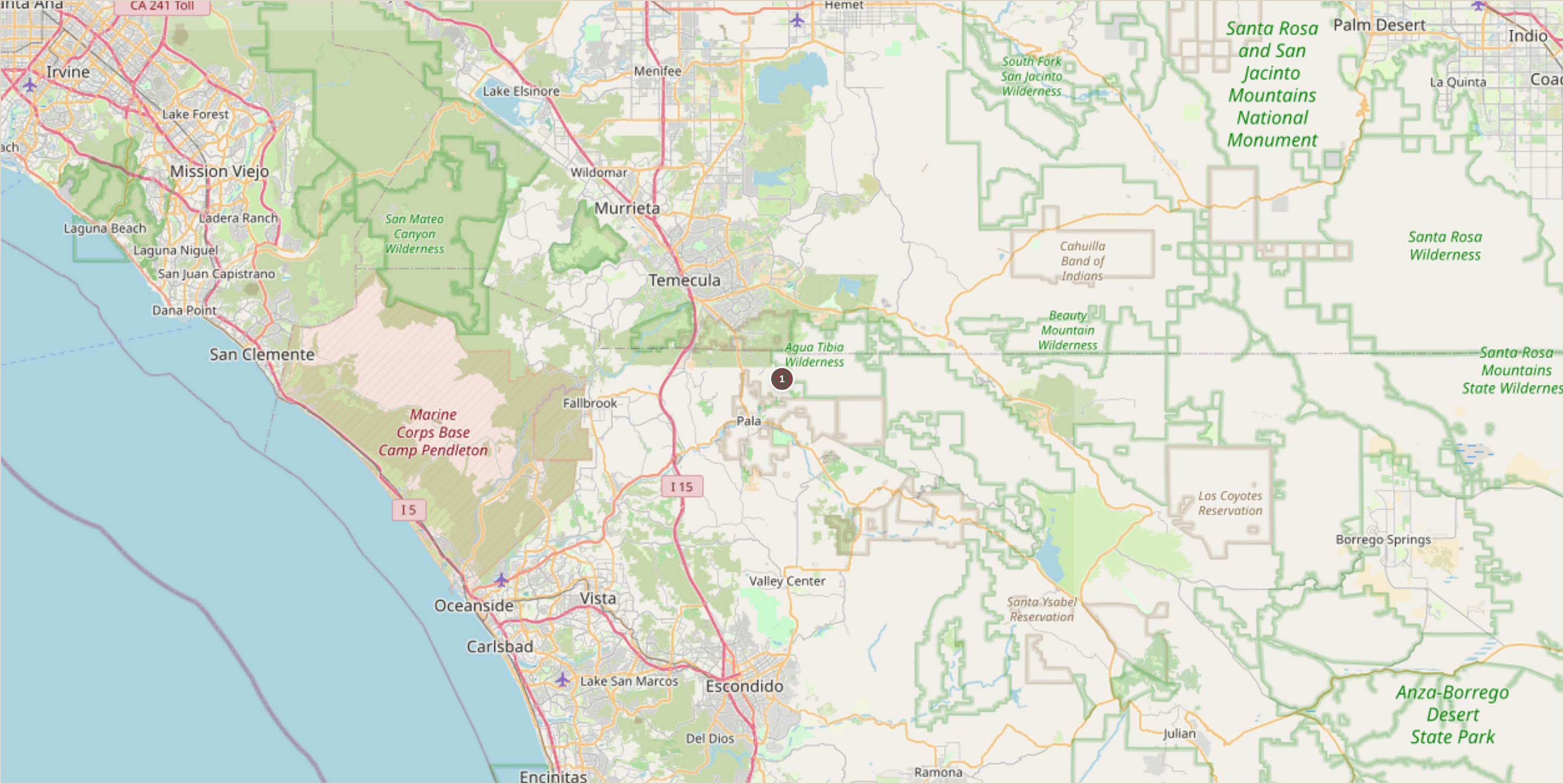
Click a marker for site details on the map.
Loading map...
Your next step
Heading to California? Read this before you go.
Recommended next step
Learn to identify what you find in California
Practical field tests for the minerals at this site — streak, hardness, luster, and crystal habit.
Sources & References
- California's Minerals — California Geological Survey
- Benitoite: California's State Gem — California Geological Survey
- Oceanview Mine — Oceanview Mine
- Rock Hounding and Mineral Collecting FAQs — U.S. Department of the Interior, Bureau of Land Management
- California State Parks Rockhounding Order Example — California State Parks
- Suction Dredge Mining Regulations — California Department of Fish and Wildlife