
Table of Contents
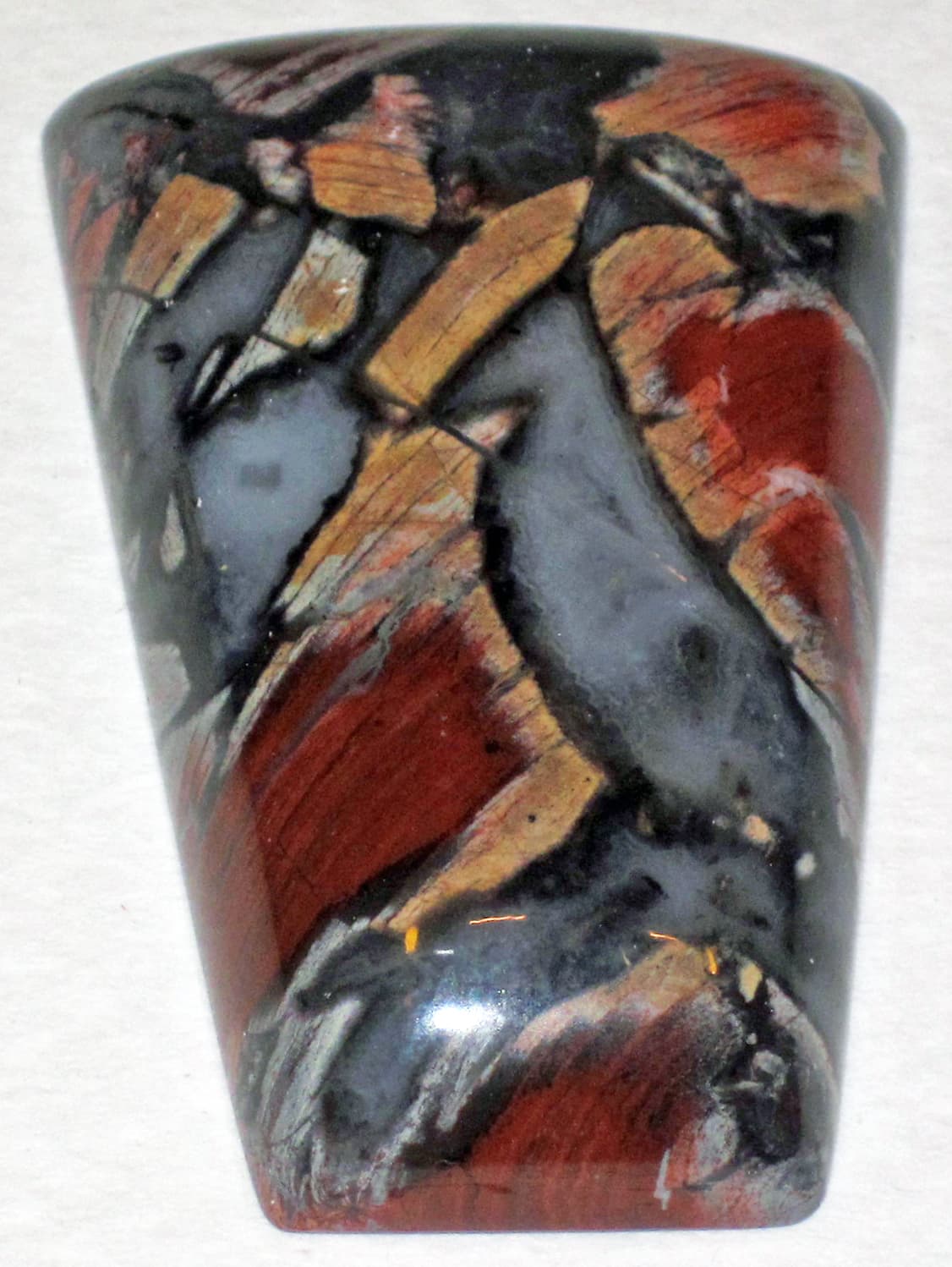
Jasper is one of the most practical collector names in the silica family because it tells you something real about opacity, pattern, and texture without pretending every specimen has a stricter variety name.
The key move is to separate jasper from agate and plain chalcedony honestly. Not every colorful silica rock is agate, and not every opaque piece needs a trade name more specific than jasper.
Appearance & Identification
- Opacity: Jasper is usually opaque rather than translucent on thin edges.
- Texture: The material is fine-grained and lacks obvious crystal faces.
- Fracture: Like other quartz-family materials, jasper commonly shows conchoidal fracture.
- Pattern: Color zoning, scenic patterning, brecciation, or banding-like structures may appear, but opacity stays central.
How Jasper Forms
Jasper forms from silica-rich material with impurities that produce opacity and color. Iron is especially important in many red and yellow jasper occurrences.
Because the microcrystalline quartz family is broad, jasper can form in veins, replacements, nodules, sedimentary settings, and altered volcanic environments depending on the district.
Where Jasper Is Found
Jasper occurs worldwide and is common in exactly the kinds of field settings where collectors also find agate, chalcedony, and petrified wood.
On this site, Arizona's petrified wood planning context is especially relevant because jasper-like opaque silica and fossil wood can overlap visually if you ignore structure.
Lookalikes & Similar Material
The main confusion stays inside the silica family. That means opacity, translucency, and preserved structure do more work than flashy color names.
| Mineral | How to tell it apart from jasper |
|---|---|
| Chalcedony | Chalcedony more often shows translucency, while jasper is usually opaque. |
| Agate | Agate is the banded chalcedony variety, while jasper is generally opaque and less structurally banded. |
| Petrified Wood | Petrified wood may overlap in color and silica composition, but it preserves wood structure rather than plain opaque silica texture. |
Collecting Tips
- Check thin edges for translucency before deciding between chalcedony and jasper.
- Use structure, not color alone, to separate jasper from petrified wood.
- Keep the broad jasper label when the material is clearly opaque silica but not more narrowly defined.
Before you go collecting…
Most beginners head out without knowing the basics. Our beginner’s guide covers gear, safety, and the field tests that’ll help you identify what you find.
Frequently Asked Questions
Collectors usually treat jasper as an opaque variety within the microcrystalline quartz family.
Jasper is usually opaque, while agate is typically banded chalcedony with at least some translucency.
Color, pattern, toughness, and polish response make jasper a favorite lapidary and field material.
Where to find jasper
Sites where jasper has been documented by our field team.
Arizona
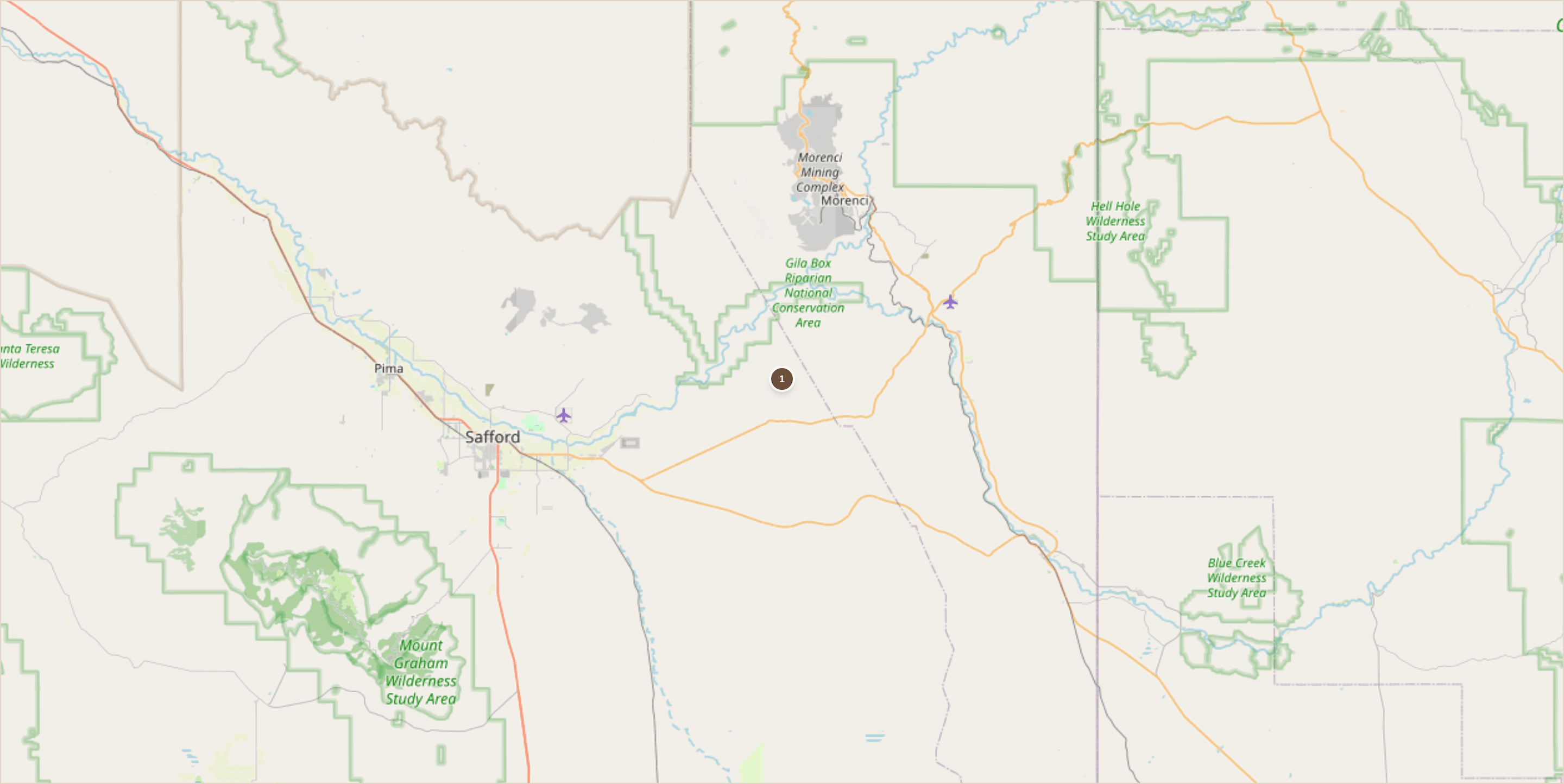
ModerateBlack Hills Rockhound Area
BLM-managed fire agate area near Safford and one of the clearest public rockhounding stops in Arizona. Best treated as a deliberate desert field day rather than a quick roadside stop.

Arizona
ModerateSedona
Famous red rock scenery near Sedona, with protected zones off-limits to collecting and surrounding Coconino National Forest and Verde Valley BLM land offering legal casual collecting for agate, jasper, and petrified wood.
Arizona
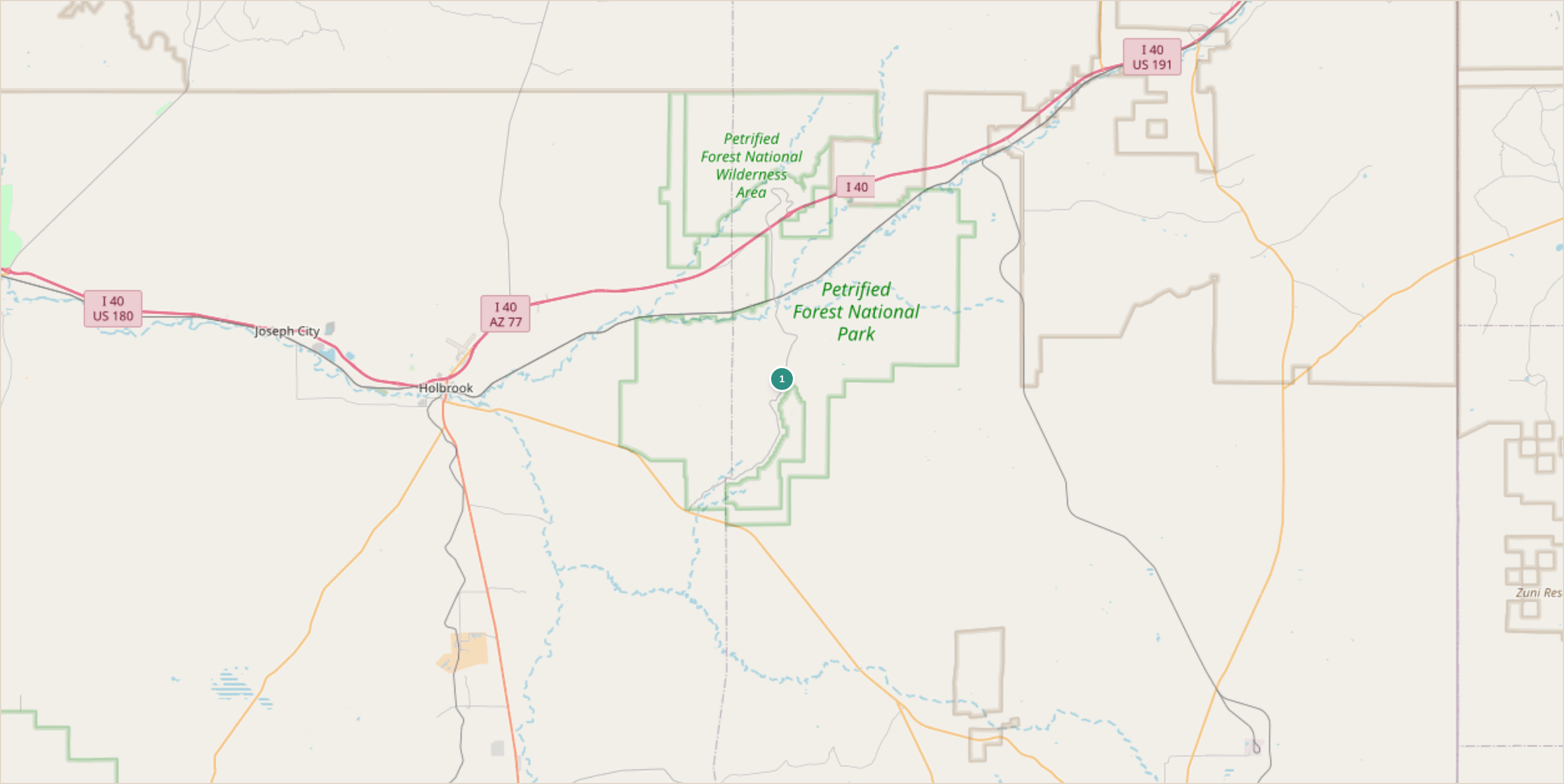
EasyHolbrook-area Petrified Wood Ground
Legal petrified wood planning outside Petrified Forest National Park, focused on public land where casual collecting rules may apply and the park boundary remains a hard no-collect line.
Arkansas
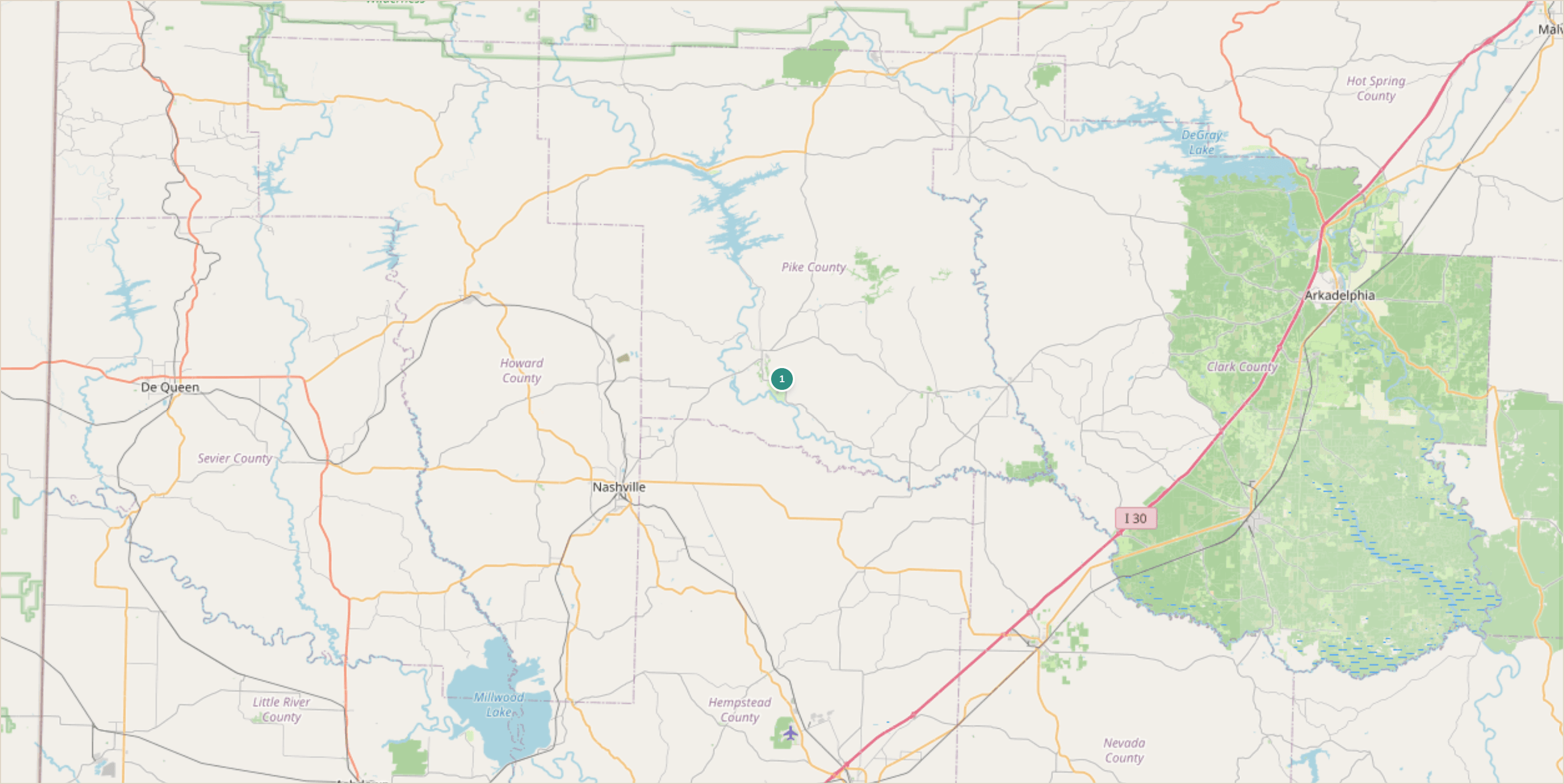
EasyCrater of Diamonds State Park
The only public diamond mine in the world. Finders keepers policy — every visitor keeps whatever they find. Over 75,000 diamonds have been unearthed here since 1906, including the 40-carat Uncle Sam.
Your next step
Now that you know jasper, here’s the logical next move.
Recommended next step
See where to find jasper in the field
4 documented sites with GPS coordinates, access info, and collecting tips.
Sources & References
- Chalcedony and Jasper — USGS