
Table of Contents
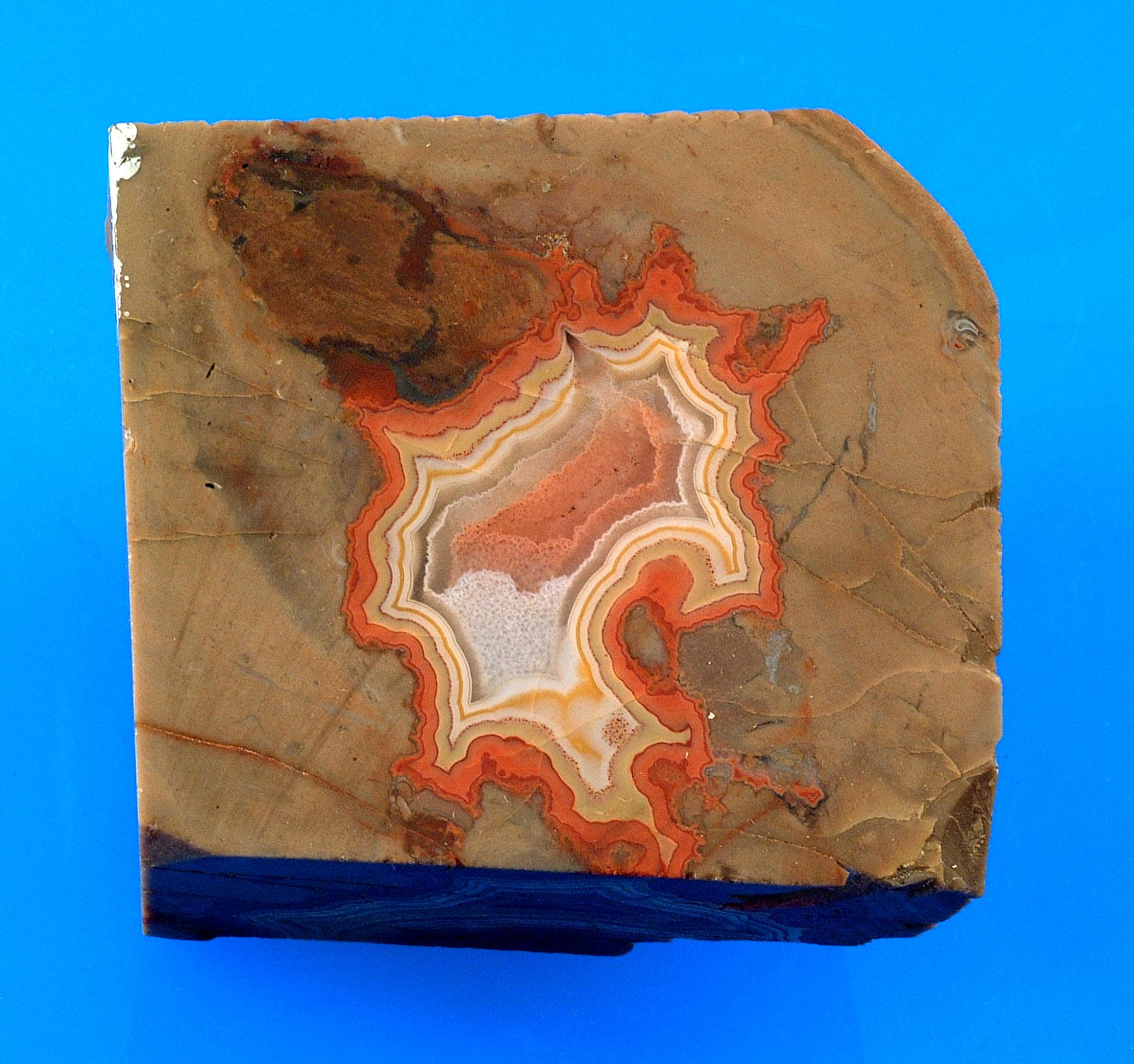
Chalcedony is one of the broadest useful labels in beginner collecting. It covers cryptocrystalline quartz material that is tougher, waxier, and less obviously crystalline than the quartz points most people picture first.
The practical value of the term is that it keeps you honest. Not every attractive silica nodule needs a fancier name. If it is clearly not banded agate, not opaque jasper, and not obvious macrocrystalline quartz, chalcedony is often the safer call.
Appearance & Identification
- Waxy to slightly glassy luster
- Mohs hardness around quartz-family levels
- No cleavage and conchoidal fracture
- Common translucency on thinner edges
- Usually lacks large obvious crystal faces
How Chalcedony Forms
Chalcedony commonly forms from silica-rich fluids that fill cavities, fractures, seams, and replacement zones. It often grows where conditions favor very fine-grained silica rather than larger euhedral quartz crystals.
Where Chalcedony Is Found
Collectors encounter chalcedony in volcanic nodules, geodes, seam fillings, stream-worn gravels, and weathered silica-rich deposits. It is extremely common in exactly the kinds of localities where agate, jasper, and fire agate also appear.
Agate, Jasper, and Other Lookalikes
| Mineral | How to tell it apart from chalcedony |
|---|---|
| Agate | Agate is the banded chalcedony variety. If the piece has obvious structured banding, calling it agate is usually more precise than calling it plain chalcedony. |
| Jasper | Jasper is usually more opaque and earthy-looking than chalcedony, while chalcedony often shows at least some translucency on thin edges. |
| Quartz | Quartz in hand sample often shows larger crystal expression, while chalcedony is cryptocrystalline and usually lacks obvious crystal faces. |
Collecting Tips
- Check thin edges for translucency before naming the piece.
- Banding upgrades plain chalcedony toward agate.
- Strong opacity and earthy texture may push the ID toward jasper.
Before you go collecting…
Most beginners head out without knowing the basics. Our beginner’s guide covers gear, safety, and the field tests that’ll help you identify what you find.
Frequently Asked Questions
Collectors often use chalcedony as a material term within the quartz family. In practice it refers to microcrystalline quartz material rather than a separate beginner-level species concept.
Agate is a banded chalcedony variety. Plain chalcedony lacks that clear, structured banding.
Jasper is usually more opaque, while chalcedony more often shows translucency and a cleaner waxy look.
Where to find chalcedony
Sites where chalcedony has been documented by our field team.
Arizona
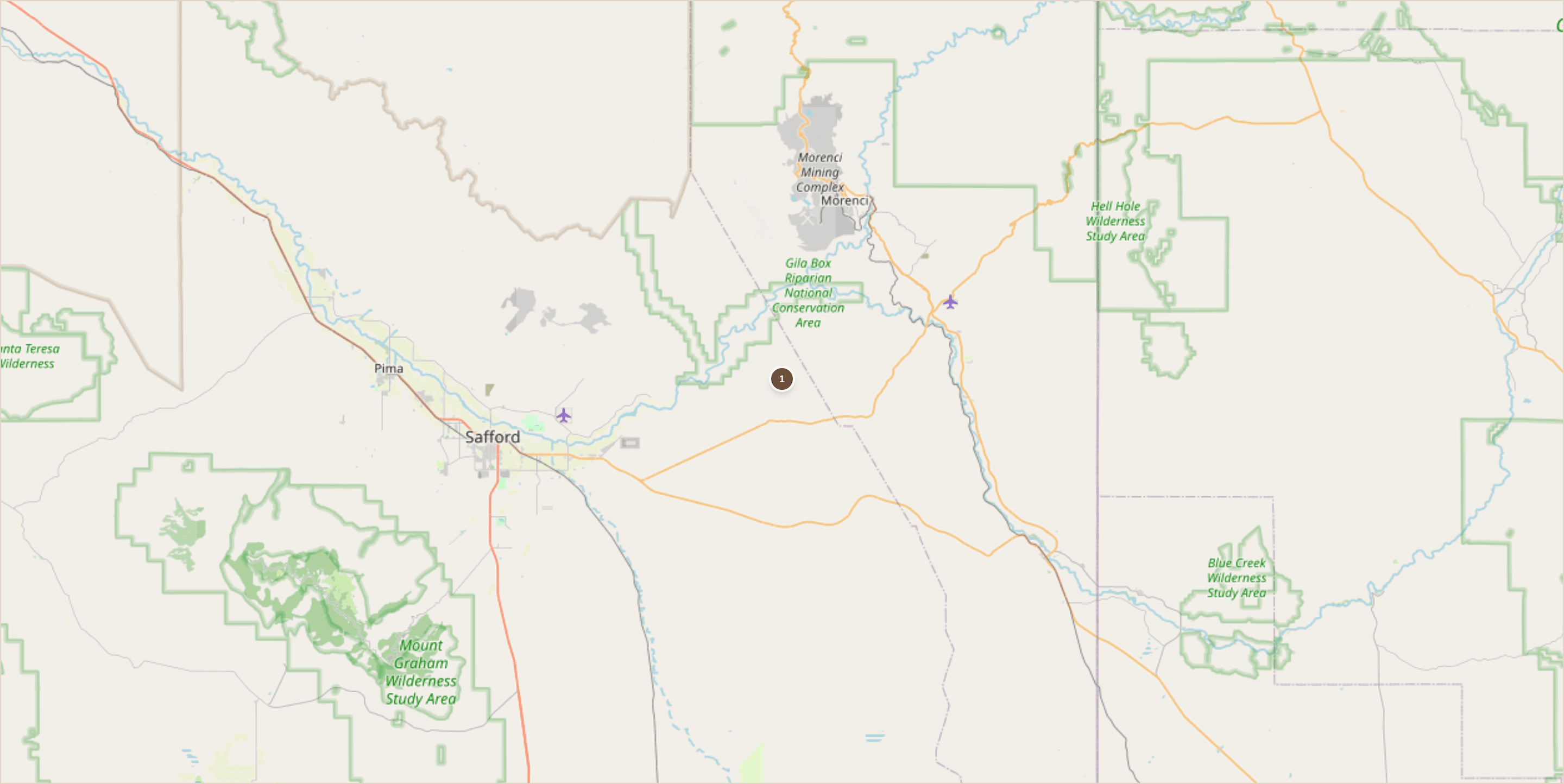
ModerateBlack Hills Rockhound Area
BLM-managed fire agate area near Safford and one of the clearest public rockhounding stops in Arizona. Best treated as a deliberate desert field day rather than a quick roadside stop.
Arizona
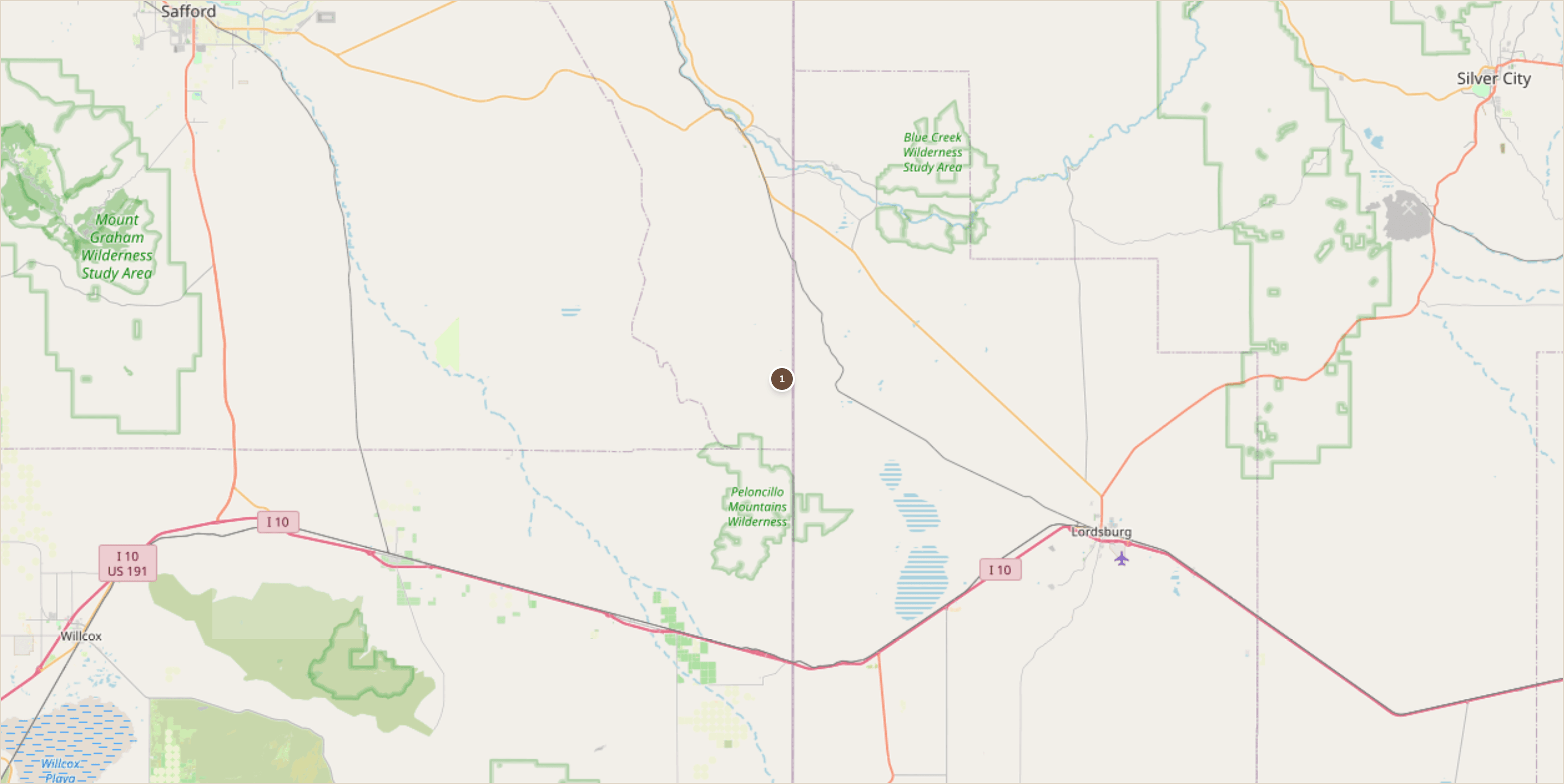
ModerateRound Mountain Rockhound Area
Second major BLM fire agate area in Arizona's Safford district. More remote than Black Hills and better planned as its own collecting day.
Arizona
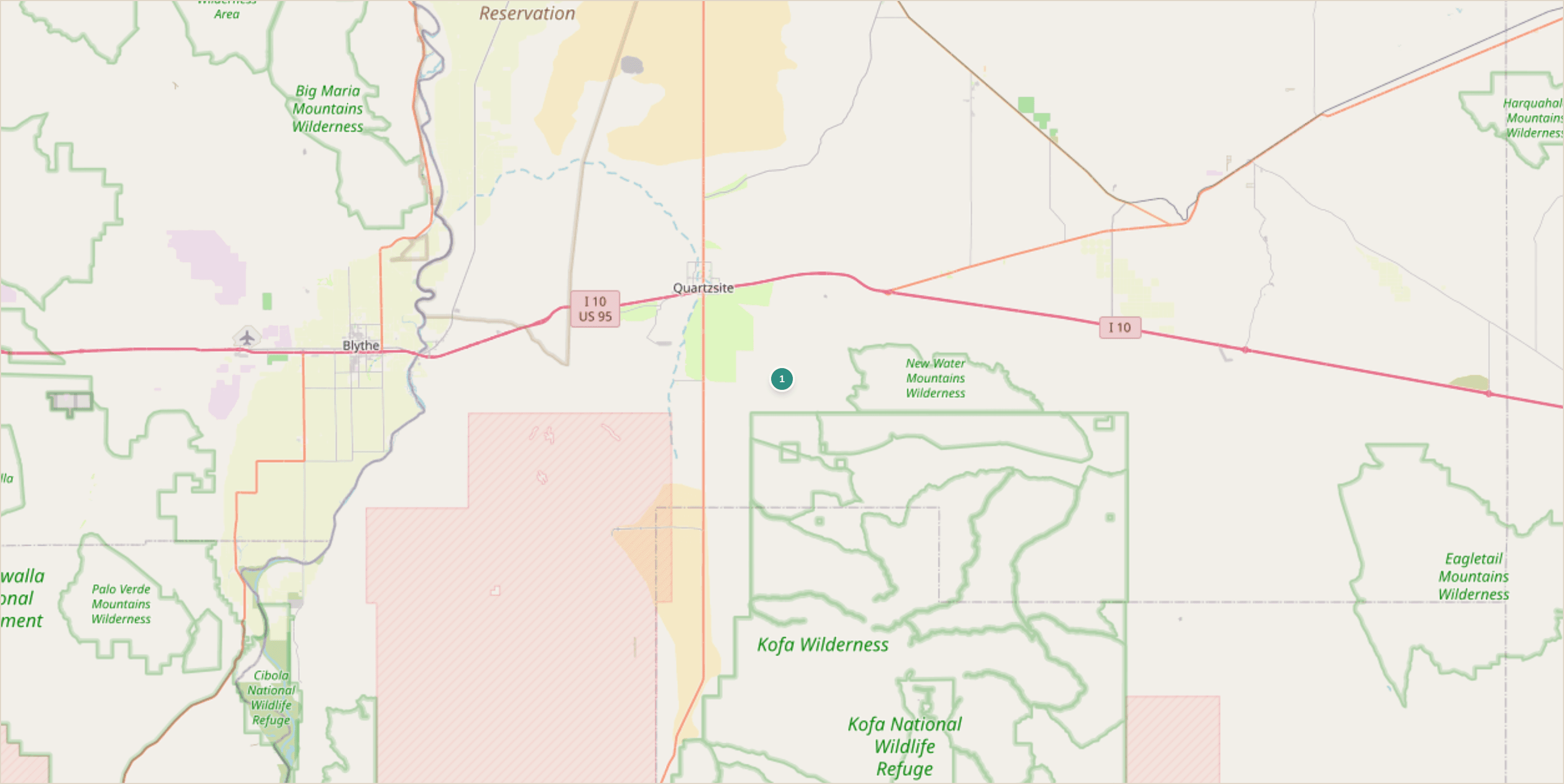
EasyCrystal Hill Area
Kofa National Wildlife Refuge crystal-collection area near Quartzsite. Best for surface searching loose quartz under refuge-specific rules.

Arizona
ModerateSedona
Famous red rock scenery near Sedona, with protected zones off-limits to collecting and surrounding Coconino National Forest and Verde Valley BLM land offering legal casual collecting for agate, jasper, and petrified wood.
Your next step
Now that you know chalcedony, here’s the logical next move.
Recommended next step
See where to find chalcedony in the field
6 documented sites with GPS coordinates, access info, and collecting tips.
Sources & References
- Quartz — Handbook of Mineralogy
- Agate (GeoDIL number - 782) — Wikimedia Commons