
Table of Contents
Quartz is the mineral species silicon dioxide, and that species-level framing matters. Amethyst, smoky quartz, rose quartz, citrine, and rock crystal are all quartz, not separate minerals. Once you start with that idea, the field story gets much clearer: you are learning one mineral that happens to appear in many colors and habits.
Quartz is also one of the most practical minerals for beginners to know. It is hard, common, chemically resistant, and present in many of the rocks people collect first. A reliable quartz identification depends on hardness, lack of cleavage, glassy luster, and realistic geological context rather than color alone.
Appearance & Identification
Quartz is usually straightforward to identify when you work through a short checklist instead of relying on appearance alone.
- Hardness: Quartz is Mohs 7, so it scratches glass and resists a steel knife.
- Cleavage: Quartz has no true cleavage. Broken pieces show conchoidal fracture instead of flat cleavage planes.
- Luster: Fresh surfaces are vitreous or glassy.
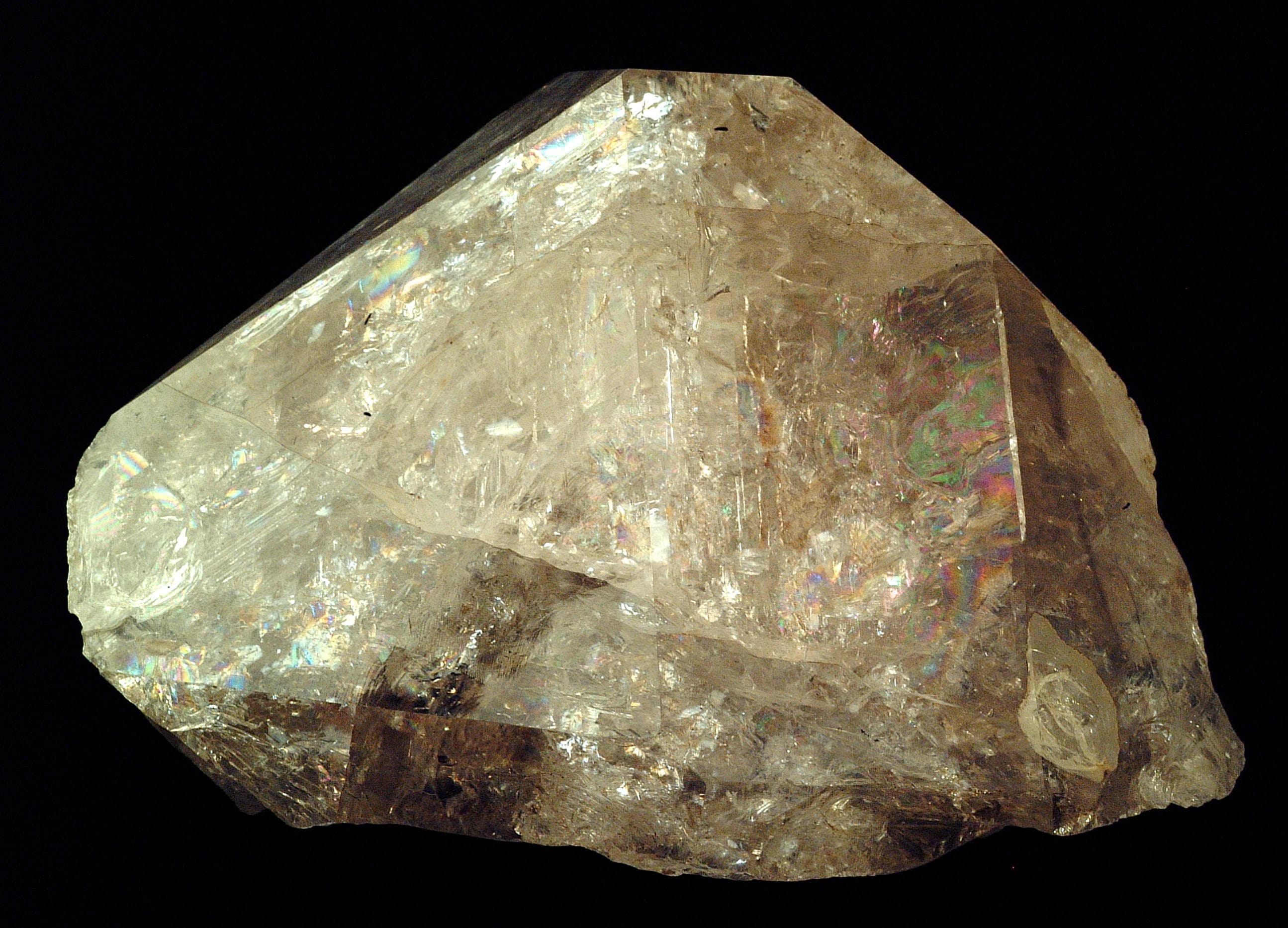
- Crystal habit: Well-formed crystals are commonly six-sided prisms with pyramidal terminations, although massive vein quartz and granular quartz are also very common.
- Streak: White.
- Color: Quartz can be colorless, white, gray, smoky, purple, pink, brown, or nearly black depending on impurities, irradiation, and included material.
How Quartz Forms
Quartz forms in an unusually wide range of geological environments. Handbook of Mineralogy lists it in igneous, metamorphic, sedimentary, and hydrothermal settings, which is one reason it is so widespread.
In igneous rocks, quartz crystallizes from silica-rich magmas and is a major constituent of granites and pegmatites. In hydrothermal systems, hot silica-bearing fluids deposit quartz in fractures and open spaces, producing veins and well-formed crystals. In sedimentary settings, quartz survives weathering, transport, and reworking better than many minerals, so it becomes a major component of sand and sandstone.
Where Quartz Is Found
Quartz is effectively worldwide. Classic collector occurrences include pegmatites, alpine-style fissures, hydrothermal veins, geodes, and the ordinary sands and sandstones that dominate many surface landscapes.
The species is so common that the better question is usually what form of quartz you are targeting. Clear crystals, smoky quartz, amethyst, and chalcedony all point to different collecting contexts even though the mineral species remains quartz throughout.
Similar Minerals & Lookalikes
Quartz overlaps with several common minerals and with human-made glass, but hardness and cleavage usually resolve the question quickly.
| Mineral | How to tell it apart from quartz |
|---|---|
| Calcite | Calcite is much softer at Mohs 3, has perfect rhombohedral cleavage, and effervesces in dilute hydrochloric acid. Quartz is harder, lacks cleavage, and breaks with conchoidal fracture. |
| Glass | Glass can mimic the color and transparency of quartz, but it lacks crystal faces, may contain bubbles, and is typically a little softer. Fresh quartz crystals show a consistent crystal habit rather than molded surfaces. |
| Feldspar | Feldspar commonly shows two good cleavage directions at nearly right angles and is slightly softer than quartz. Quartz lacks cleavage and usually looks glassier on broken surfaces. |
Beginner Tips for Collecting Quartz
- Separate species from varieties. Learn quartz first, then learn the color varieties within it.
- Look at broken surfaces. Conchoidal fracture is one of the fastest ways to recognize quartz-rich material.
- Expect many habits. Vein quartz, crystals, druzy coatings, and sand grains can all represent the same mineral.
- Use context. In granites, pegmatites, and veins, quartz should be high on your list before more exotic possibilities.
Before you go collecting…
Most beginners head out without knowing the basics. Our beginner’s guide covers gear, safety, and the field tests that’ll help you identify what you find.
Frequently Asked Questions
Quartz is a mineral species: silicon dioxide. Named materials such as amethyst, smoky quartz, and rose quartz are varieties of quartz rather than separate species.
Quartz is chemically stable at Earth-surface conditions and forms in many geological settings, from granite and pegmatites to veins, sandstones, and metamorphic rocks. That combination makes it one of the most widespread minerals collectors encounter.
Use hardness and cleavage together. Quartz scratches glass easily and lacks cleavage, while calcite is soft enough to scratch with a knife, breaks along rhombohedral planes, and reacts in acid.
No. Quartz can form large euhedral crystals, granular masses, vein fillings, sand grains, or microcrystalline material such as chalcedony. Crystal form depends on how much open space was available during growth.
Where to find quartz
Sites where quartz has been documented by our field team.
Arizona
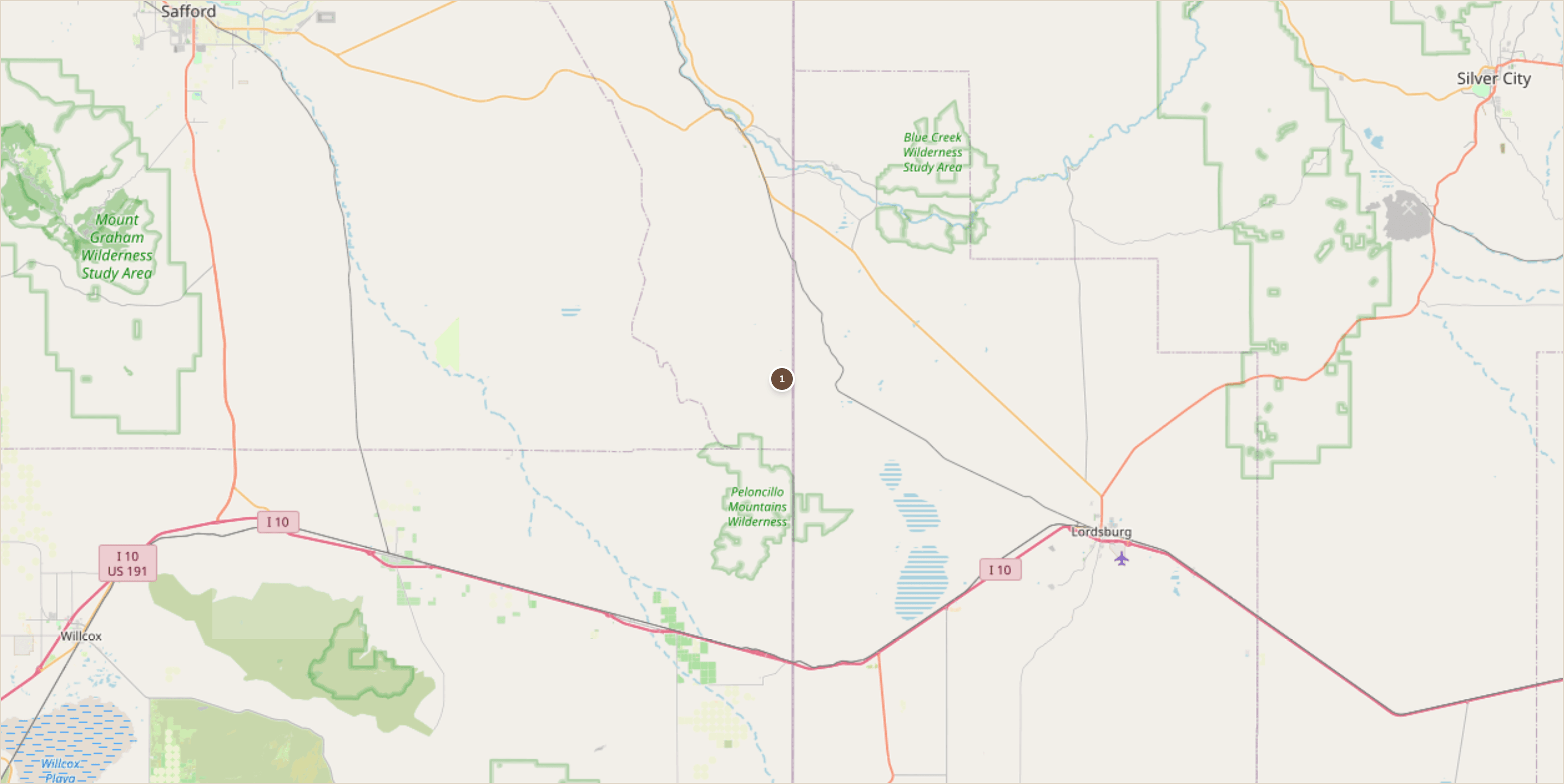
ModerateRound Mountain Rockhound Area
Second major BLM fire agate area in Arizona's Safford district. More remote than Black Hills and better planned as its own collecting day.
Arizona
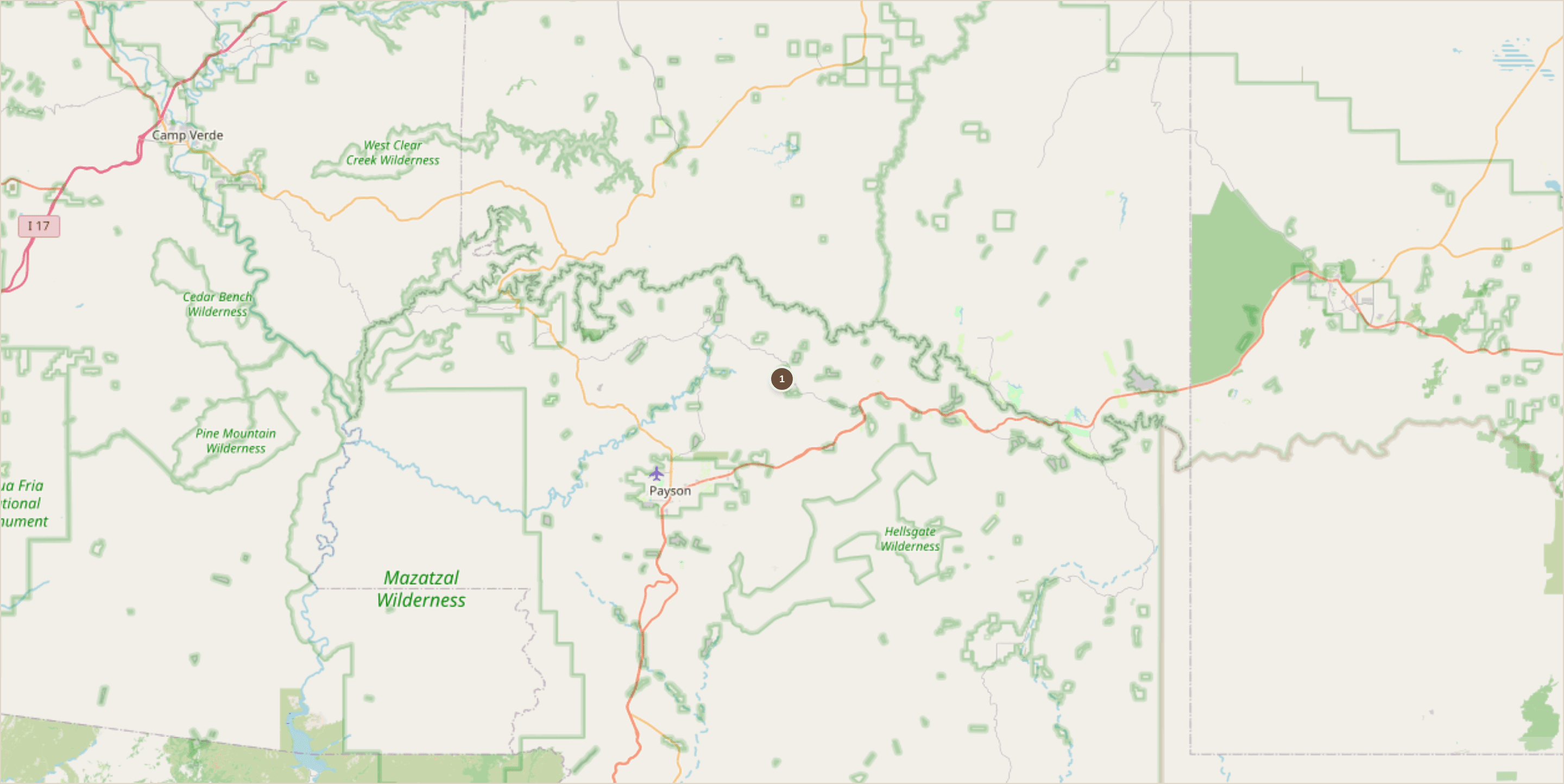
ModerateDiamond Point
Tonto National Forest quartz locality near Payson, known for doubly terminated crystals and a cooler-season alternative to lower-desert collecting.
Arizona
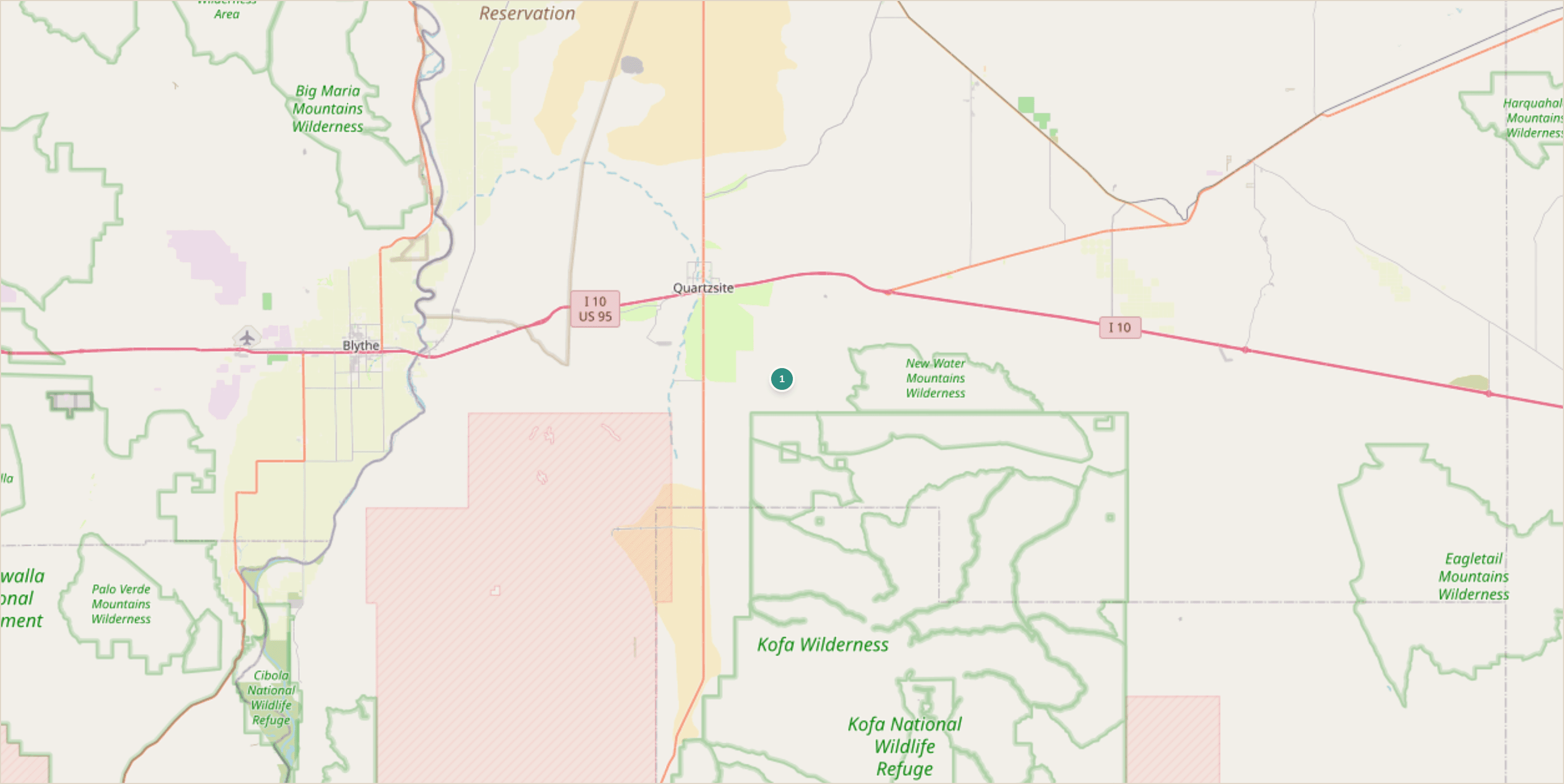
EasyCrystal Hill Area
Kofa National Wildlife Refuge crystal-collection area near Quartzsite. Best for surface searching loose quartz under refuge-specific rules.
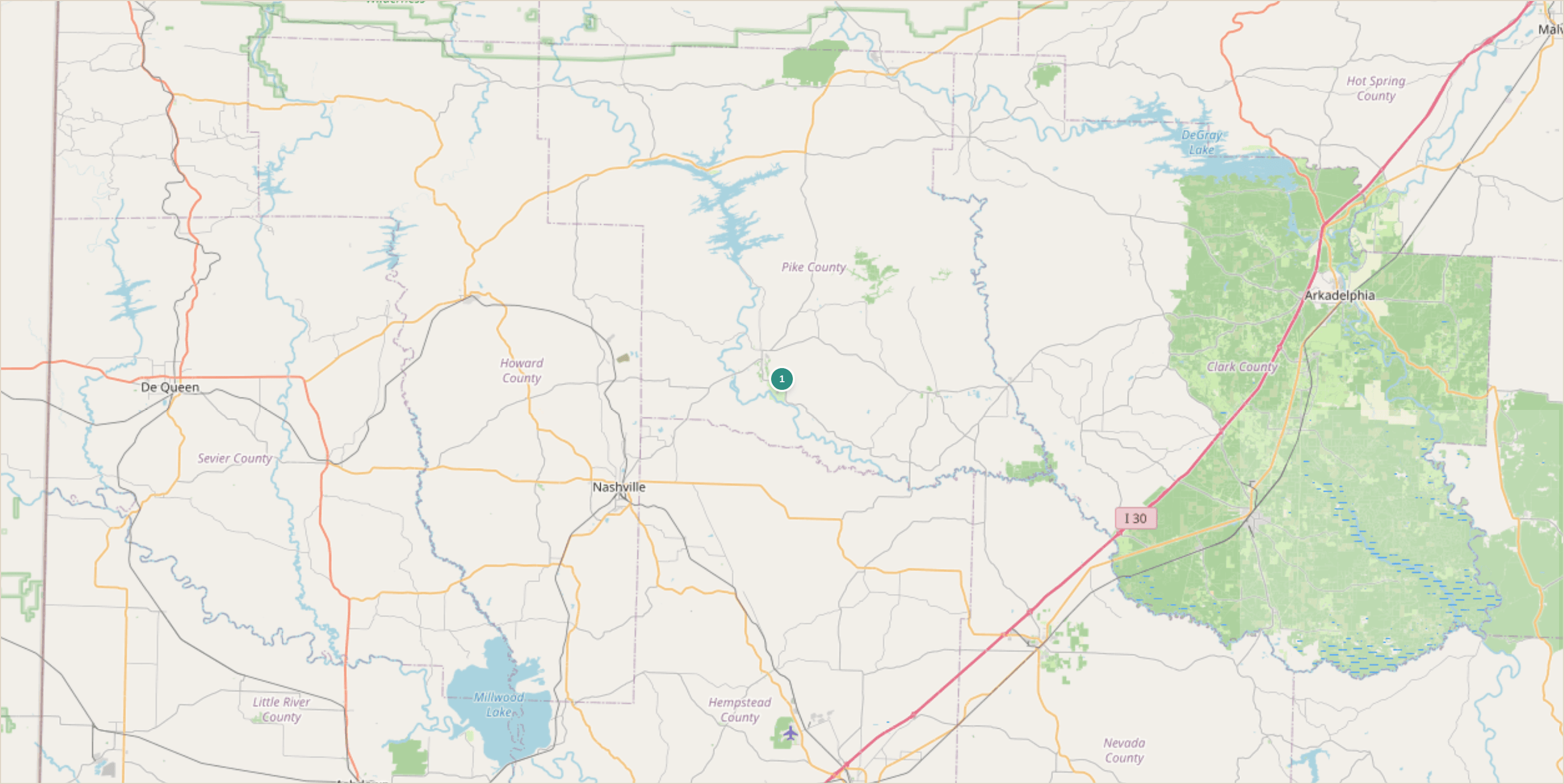
Arkansas
EasyCrater of Diamonds State Park
The only public diamond mine in the world. Finders keepers policy — every visitor keeps whatever they find. Over 75,000 diamonds have been unearthed here since 1906, including the 40-carat Uncle Sam.
Your next step
Now that you know quartz, here’s the logical next move.
Recommended next step
See where to find quartz in the field
10 documented sites with GPS coordinates, access info, and collecting tips.
Sources & References
- Quartz — Handbook of Mineralogy
- Quartz Mineral Data — Webmineral
- Quartz (GeoDIL number - 935) — Wikimedia Commons