
 © OpenStreetMap contributors
Table of Contents
Arizona works best when you plan by land status first. That sounds less romantic than a giant statewide site list, but it is the difference between a useful Arizona trip and a messy one. The state really does offer fire agate, quartz, petrified wood, Apache tears, peridot, and a long mining-mineral history, but those rewards are split across BLM rockhound areas, National Forest roads, refuge rules, state-trust restrictions, tribal authority, and private or claim-controlled ground.
That is also why Arizona still earns flagship status on the site. The state has enough public-land collecting to be worth the effort, but the best version of Arizona is not "go anywhere in the desert." It is a disciplined state guide where Black Hills and Round Mountain cover the fire agate story, Diamond Point carries the quartz side, Crystal Hill shows how refuge collection differs from BLM, and the Holbrook side of the state teaches the difference between legal petrified wood ground and a protected national park.
Best Collecting Sites in Arizona
If you are planning a first Arizona run, do not try to touch every mineral type in one trip. Pick one fire agate stop, one quartz stop, or one petrified wood plan and do it properly. Arizona rewards narrower days with cleaner access decisions.
Black Hills Rockhound Area
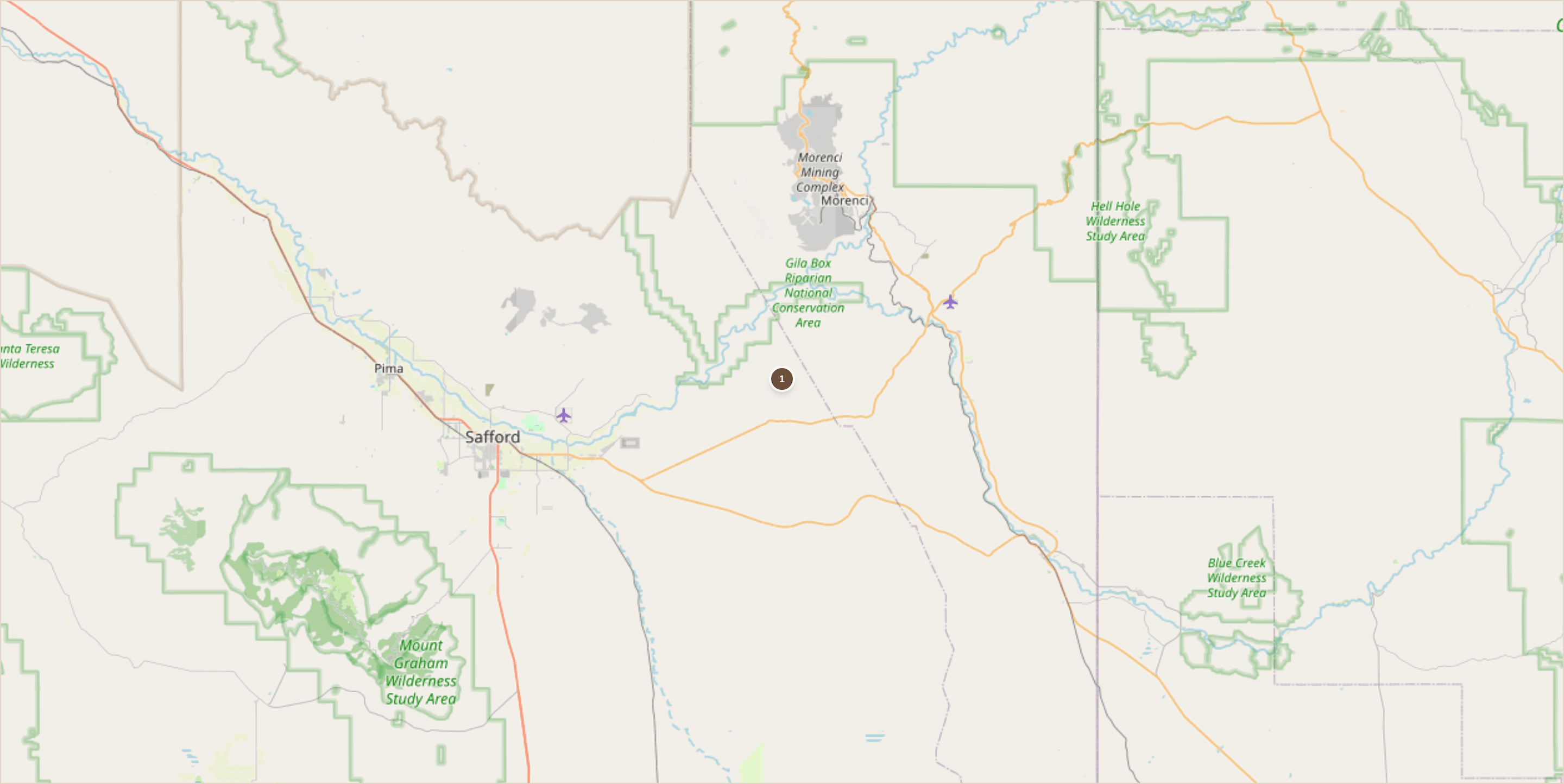
The Bureau of Land Management treats Black Hills as one of Arizona's clearest public fire agate trips: a designated rockhound area in the Safford Field Office where noncommercial collecting is expected and hand tools are part of the visitor model.
Tip: This is the cleanest first Arizona fire agate stop because the land manager already frames it as a rockhound area. Bring water, a spray bottle, and enough daylight to leave the dirt road before dark.
Round Mountain Rockhound Area
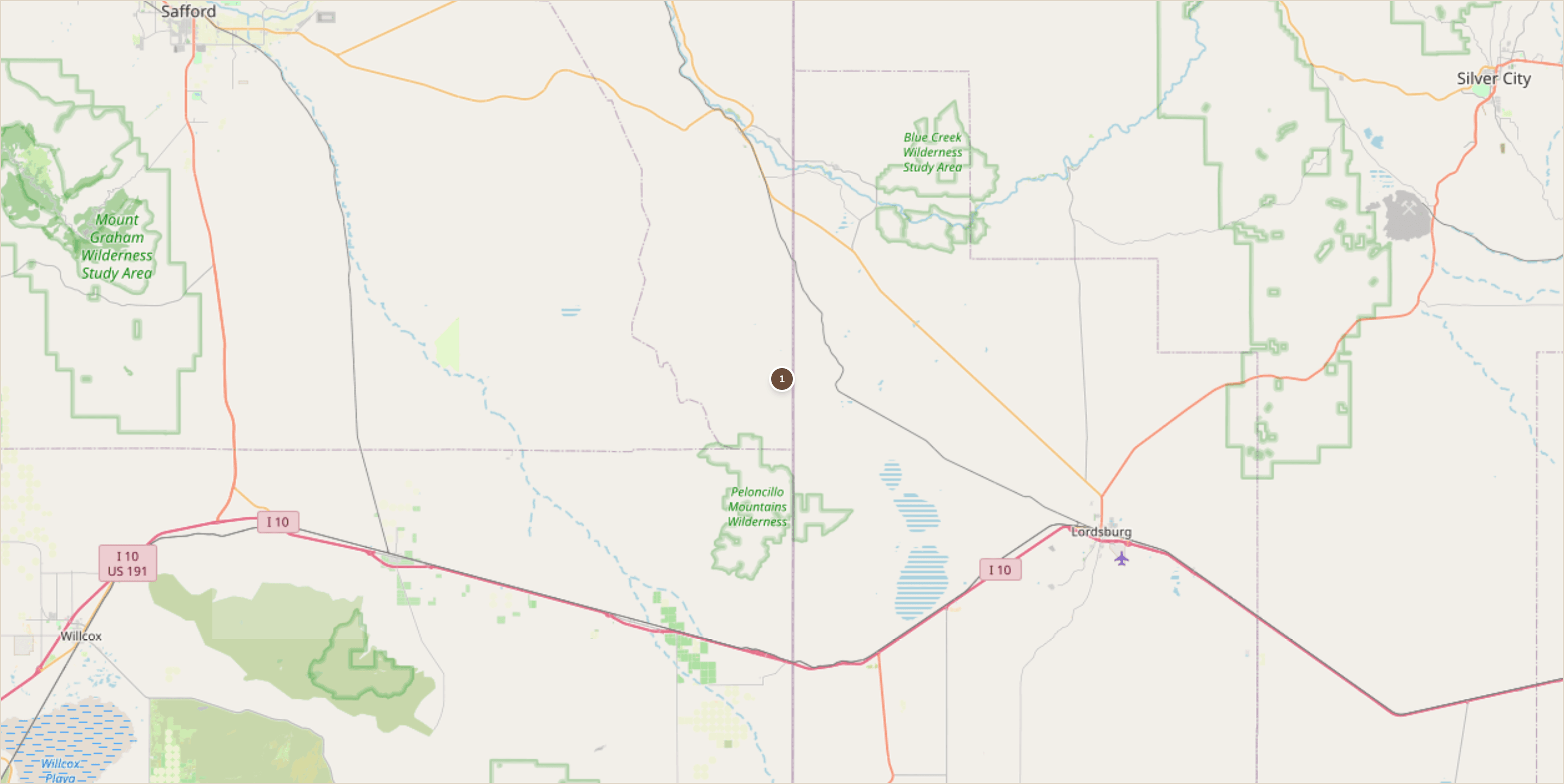
Round Mountain is the second strong Safford-side BLM target. It is another public fire agate area, but it asks for more route discipline and a more realistic view of how long desert travel and searching actually take.
Tip: Treat Round Mountain as a full field day, not a quick add-on after Black Hills. If you are new to Arizona fire agate, Black Hills is the easier first read and Round Mountain is the better second stop.
Diamond Point
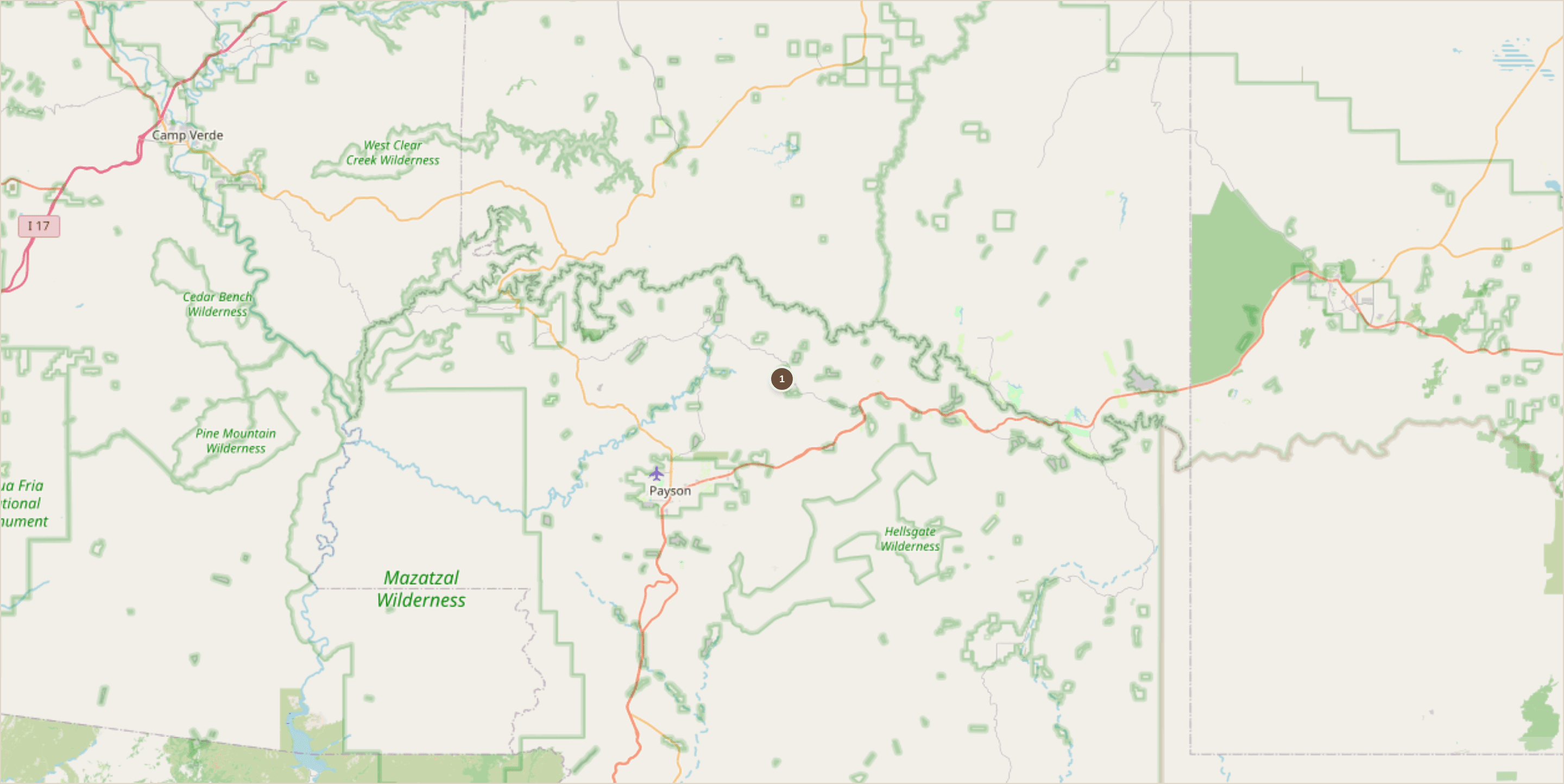
Diamond Point near Payson remains one of Arizona's clearest quartz destinations because the Tonto National Forest and local ranger-district guidance both acknowledge recreational crystal collecting in the area.
Tip: National Forest access is not the same as casual digging anywhere you like. Stay on open ground, keep the work small, and check road conditions before committing to forest roads.
Crystal Hill Area
Crystal Hill near Quartzsite is the clearest Arizona quartz stop under refuge-style rules. The Kofa guidance allows noncommercial collection of loose quartz crystals in the designated area, but digging tools and casual excavation are not part of the deal.
Tip: Use it as a surface-search trip. If you want a desert quartz day that does not depend on active digging, Crystal Hill is the simplest legal version.
Holbrook-area BLM petrified wood ground
The useful Arizona petrified wood plan is not the national park itself. It is legal collecting on public land outside Petrified Forest National Park, where BLM casual collection rules apply and the park boundary is treated as a hard line.
Tip: Do not build this trip around vague roadside rumors. Verify land ownership first, keep the national park entirely out of the collecting plan, and expect the best day to start with maps, not luck.
Collecting by Region
Arizona is broad enough that region matters, but access model matters more. The cleanest way to read the state is by where geology and land manager policy line up into a usable trip.
Safford and southeastern fire agate country
This is the strongest public-land Arizona story on the page. Black Hills and Round Mountain are both BLM rockhound areas and give the southeastern part of the state a defensible fire agate backbone. If your main goal is to learn how Arizona fire agate actually searches, this is the region to build around.
Central Arizona quartz and transition-country collecting
Diamond Point is the clearest official quartz stop in current coverage, and it matters because it shifts Arizona away from the desert-only stereotype. This part of the state also holds lighter-coverage targets such as Apache tears near Superior, but the real planning lesson is that central Arizona combines better summer elevation options with more road and land-status ambiguity than the simple destination names suggest.
Western Arizona and Quartzsite-side surface collecting
Western Arizona is where the state starts to feel easiest from the road. Crystal Hill near Quartzsite is the clearest example because the refuge publishes a dedicated crystal-collection area. It is also where the legal distinction becomes obvious: surface-collection rules on refuge ground are not the same thing as digging privileges on BLM land.
Northern Arizona and the petrified wood problem
Northern Arizona is where people most often confuse a famous landscape with a legal collecting destination. Petrified Forest National Park is the best-known name, but it is not a collecting site. The useful plan is to treat park protection as absolute and do any legal petrified wood planning on allowed land outside the boundary.
What You Can Find in Arizona
- Fire agate is the clearest Arizona public-land gem target in the current coverage, especially in the Safford-side BLM rockhound areas.
- Quartz crystals matter in two different ways: loose desert quartz at Crystal Hill and pocket-style crystal hunting around Diamond Point.
- Petrified woodis one of Arizona's defining materials, but the collecting lesson is mostly about boundaries and legality, not about the park gift-shop version of the story.
- Apache tearsbelong in the Arizona conversation because the BLM's Arizona guidance explicitly lists Apache tears among the semiprecious materials found on BLM-administered land in the state.
- Peridotis one of Arizona's most famous gem stories, but it should be planned as a tribal-permission question, not a casual public-land outing.
- Copper mineralsare part of the state's mineral identity even when the most famous districts are better treated as mining-history and specimen-heritage stories than beginner field collecting plans.
That mix is what keeps Arizona ahead of a lot of states. It is not just diverse on paper. It gives collectors genuinely different trip styles, from roadside surface searching to longer desert field days with explicit land-manager rules.
Arizona Rockhounding Rules, Permits & Legality
Arizona is where legality mistakes happen fast because so much of the ground looks visually similar. The BLM brochure is still the cleanest starting point: personal noncommercial collecting may be allowed on BLM land in reasonable quantities, but that does not erase claims, closures, posted restrictions, or the difference between BLM, refuge, park, tribal, and state-trust ground.
| Land type | Practical answer |
|---|---|
| BLM public land | Casual personal collecting is generally allowed, often up to 25 pounds per day and 250 pounds per year, unless a claim, closure, or site-specific rule changes the answer. |
| National Forest | Recreational collecting can be allowed, but district rules and local restrictions matter. Treat Diamond Point as a verified site, not as permission to dig anywhere in the forest. |
| Wildlife refuge collection areas | Use the refuge's exact rules. At Crystal Hill, surface collection is the model, not open digging. |
| Arizona State Trust Land | Do not rockhound there. The BLM's Arizona guidance says it is not public land and that rockhounding is not allowed. |
| National parks | No collecting. Petrified Forest National Park explicitly protects petrified wood and other park resources. |
| Tribal land | Tribal law controls access. Do not treat reservation collecting as an extension of nearby public land. |
| Arizona state parks | Generally no removal of rocks, minerals, fossils, or other natural/geological objects unless a site specifically authorizes it. |
Arizona is also one of the easiest states in the country to ruin with stale route notes. Check current land ownership, current field-office or district guidance, and whether the area has active mining claims before you build the drive.
For the broader legal framework, read Where Can You Legally Go Rockhounding?.
Best Time to Go Rockhounding in Arizona
October through April is the main Arizona desert season for a reason. Temperatures are more forgiving, road travel is easier to recover from, and long field days do not become hydration tests by late morning.
- October through April is the default Arizona window for low-elevation collecting.
- Late spring and summer shift the smart itinerary toward higher ground such as the Payson side of the state.
- After rain can improve visibility, especially for agate and surface material, but also makes desert roads slower and less forgiving.
- Monsoon season demands more caution than optimism. Washed material is not worth flash-flood exposure or bad-road improvisation.
Recommended Gear
Arizona gear should solve access, heat, and field-reading problems first.
- Water and electrolyte backup matter more than any extracting tool.
- Sun protection should be treated as core equipment, not comfort gear.
- A spray bottle is still one of the smartest Arizona additions because it helps you read agate and chalcedony in the field.
- Offline maps and ownership layers are essential in a state where BLM, trust, tribal, park, and private ground can sit close together.
- Digging tools should go only where the site rules support them. Arizona is not a blanket "hammer everywhere" state.
Safety Tips
- Build the day around water, fuel, and turnaround time.
- Never enter abandoned mines; the BLM treats them as serious hazards.
- Watch weather, especially on wash roads and during monsoon periods.
- Expect poor cell coverage and leave a route plan with someone else.
- Handle desert wildlife and cactus country as routine, not as novelty.
Common Mistakes
- Confusing open-looking land with legal collecting land.
- Using one Arizona rule set everywhere instead of separating BLM, forest, refuge, park, tribal, and trust-land logic.
- Treating Petrified Forest National Park as a collecting destination instead of a protected boundary.
- Chasing too many minerals in one trip instead of matching the route to one clear collecting style.
- Letting stale directions, old forum posts, or guidebook-era access notes override current land-manager information.
If you want the best Arizona first trip, pick a clear target, match it to the right season, and use the current land manager as the final authority. Then Arizona starts feeling less like a rumor field and more like the genuinely great collecting state it still is.
Location pages in Arizona
Specific destinations currently covered inside this state guide.
Arizona
ModerateBlack Hills Rockhound Area
BLM-managed fire agate area near Safford and one of the clearest public rockhounding stops in Arizona. Best treated as a deliberate desert field day rather than a quick roadside stop.
Arizona
ModerateRound Mountain Rockhound Area
Second major BLM fire agate area in Arizona's Safford district. More remote than Black Hills and better planned as its own collecting day.
Arizona
ModerateDiamond Point
Tonto National Forest quartz locality near Payson, known for doubly terminated crystals and a cooler-season alternative to lower-desert collecting.
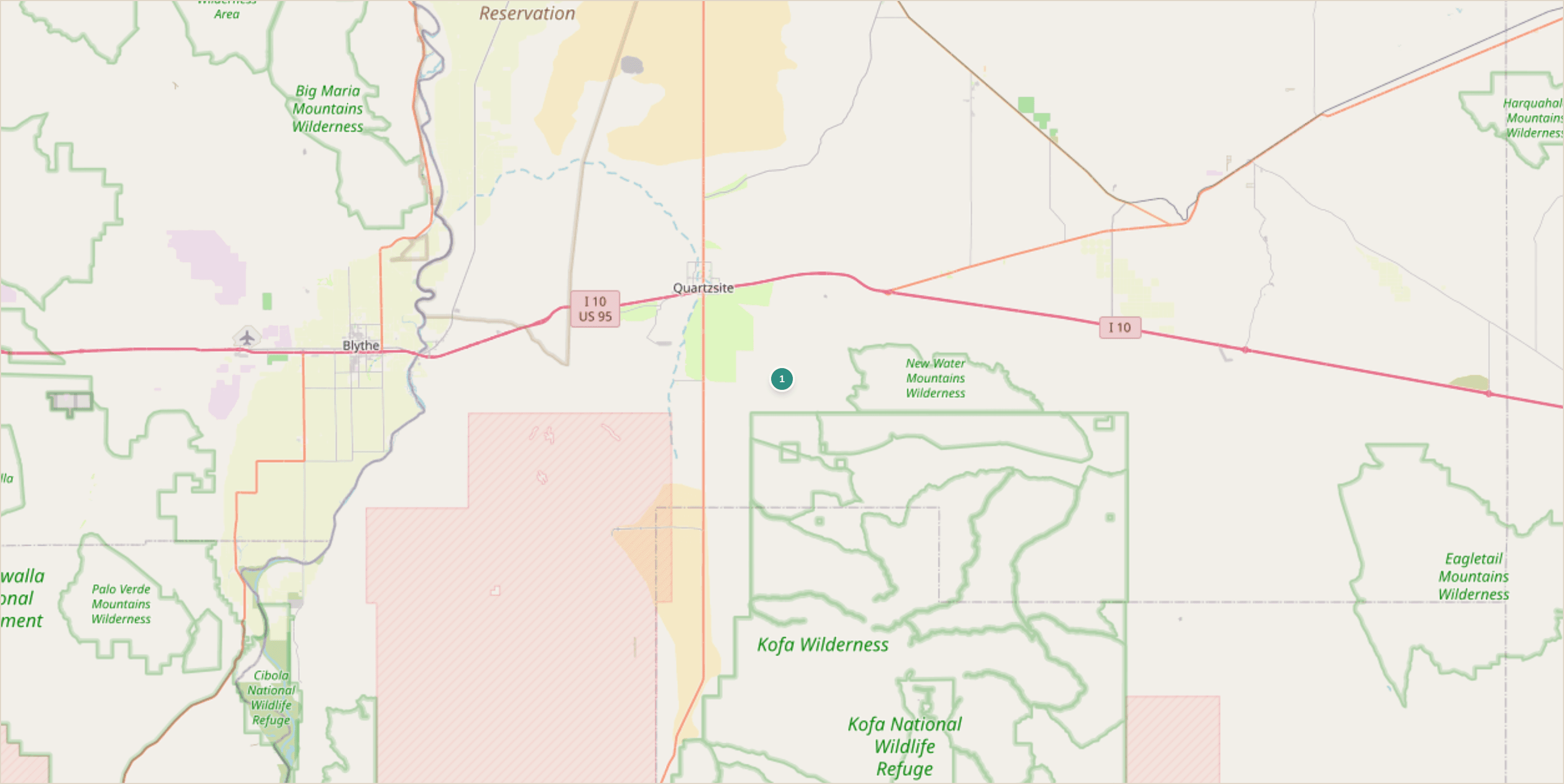
Arizona
EasyCrystal Hill Area
Kofa National Wildlife Refuge crystal-collection area near Quartzsite. Best for surface searching loose quartz under refuge-specific rules.

Arizona
ModerateSedona
Famous red rock scenery near Sedona, with protected zones off-limits to collecting and surrounding Coconino National Forest and Verde Valley BLM land offering legal casual collecting for agate, jasper, and petrified wood.
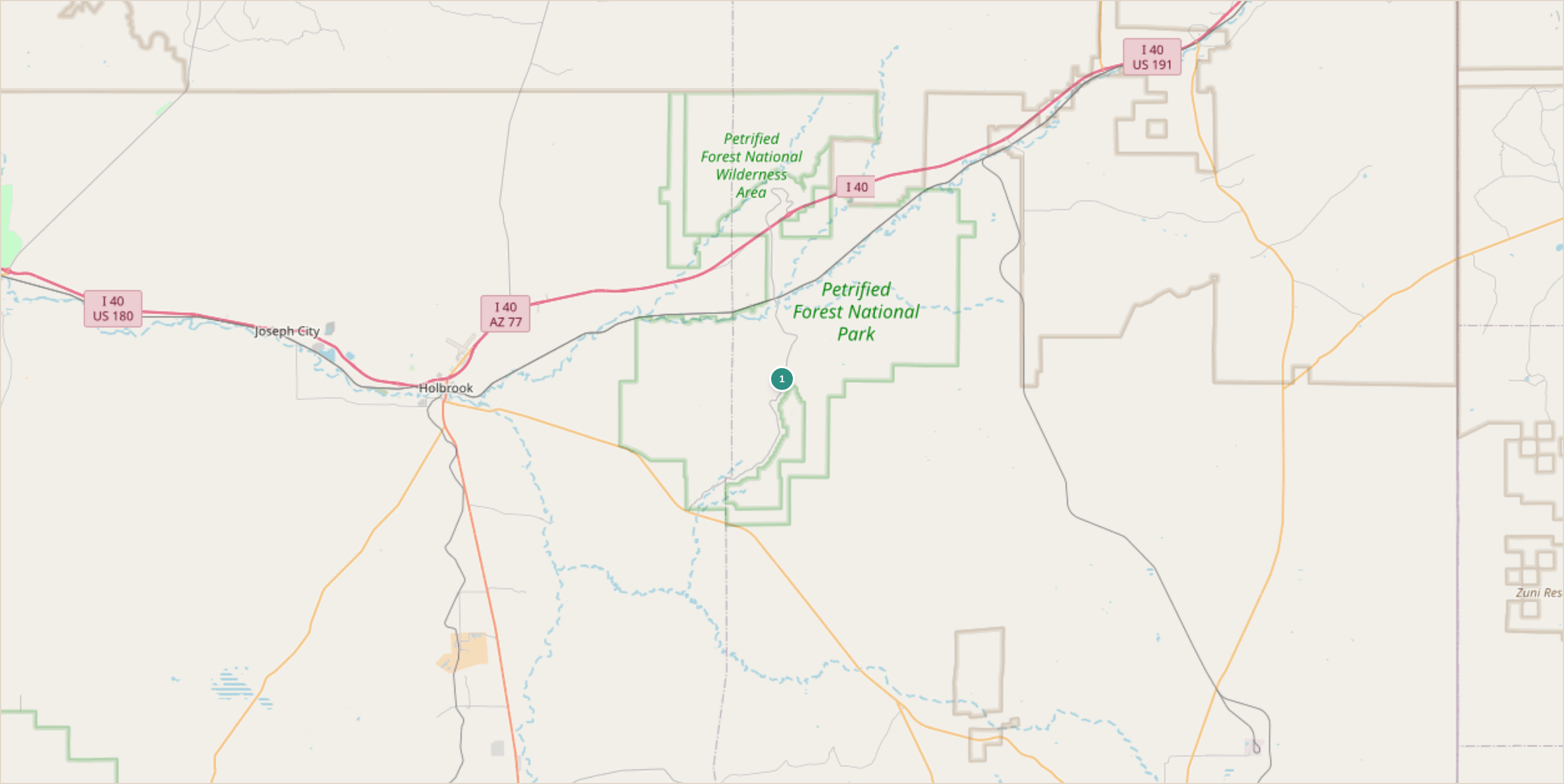
Arizona
EasyHolbrook-area Petrified Wood Ground
Legal petrified wood planning outside Petrified Forest National Park, focused on public land where casual collecting rules may apply and the park boundary remains a hard no-collect line.
Community
Recent discussion in Arizona
Trip notes, collecting updates, and local questions tied to this state guide.
Local discussion loads after the page is ready so the guide itself stays fast and fully readable.
Loading recent discussion for this area...
Planning your first collecting trip?
Most beginners skip the preparation step. Don’t — our beginner’s guide covers gear, safety, and field ID basics that’ll save you time and frustration.
Frequently Asked Questions
Yes, for personal noncommercial collecting in reasonable quantities, but Arizona's BLM rules still matter. The agency brochure sets the common limit at up to 25 pounds per day and 250 pounds per year, subject to site-specific restrictions, claims, and closures.
No. The BLM's Arizona rockhounding guidance explicitly warns that State Trust Land is not public land and says rockhounding and metal detecting are not allowed there.
No. Petrified Forest National Park treats petrified wood as a protected park resource and removal is illegal. Legal collecting has to happen outside the park on land where collecting is actually allowed.
No. The famous material there is quartz. The local nickname comes from the crystal habit, not from gem diamonds.
Peridot is one of Arizona's headline minerals, but Peridot Mesa is not a casual public-land stop. Treat it as tribal land first and confirm current permission directly with the San Carlos Apache Tribe before planning around it.
Generally no. Arizona State Parks rules prohibit removing natural and geological objects unless a specific site or authorization says otherwise.
Collecting sites in Arizona
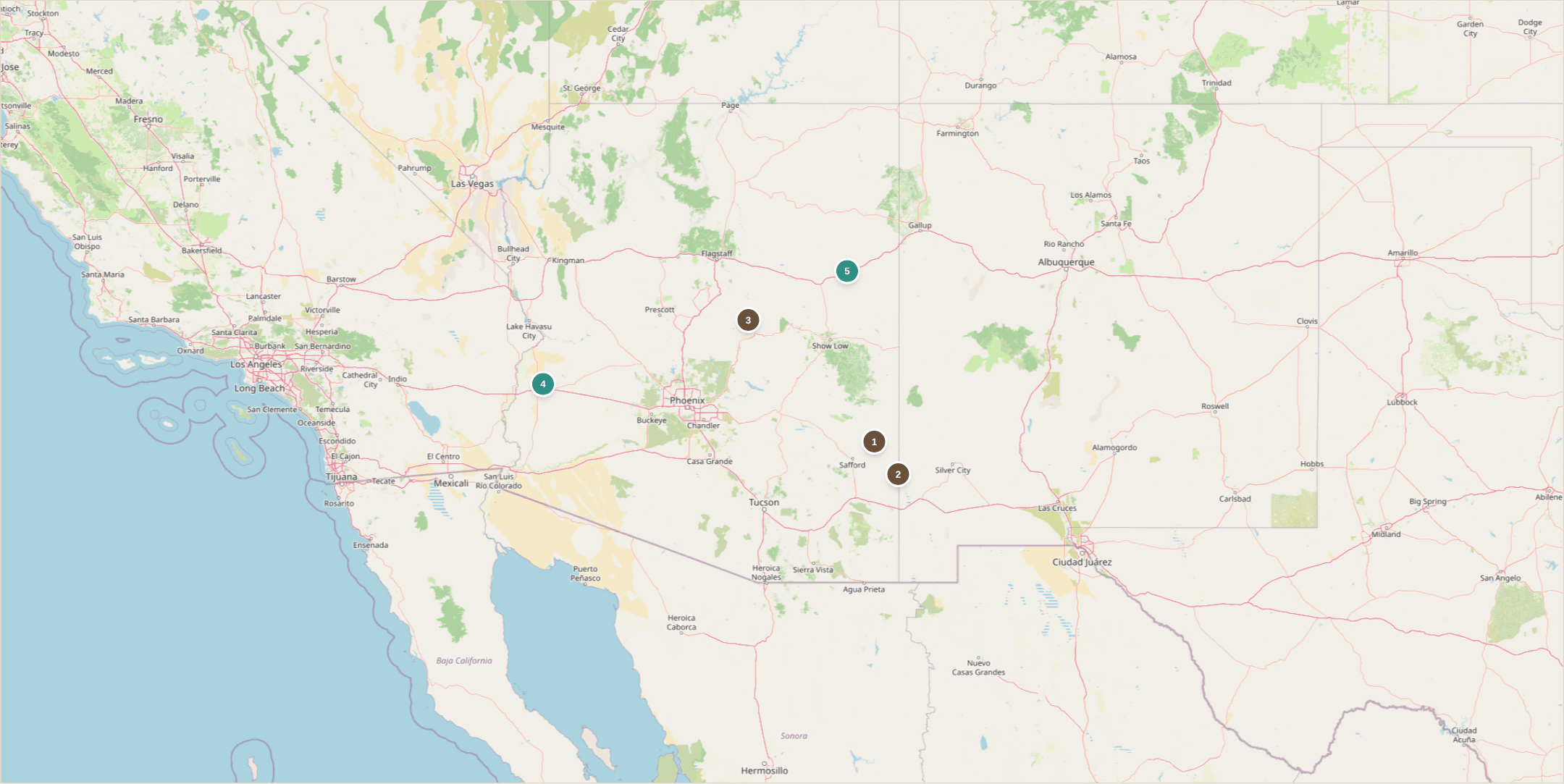
Click a marker for site details on the map.
Loading map...
Your next step
Heading to Arizona? Read this before you go.
Recommended next step
Learn to identify what you find in Arizona
Practical field tests for the minerals at this site — streak, hardness, luster, and crystal habit.
Sources & References
- Rockhounding in Arizona — U.S. Department of the Interior, Bureau of Land Management
- Rock Hounding and Mineral Collecting FAQs — U.S. Department of the Interior, Bureau of Land Management
- Black Hills Rockhound Area — U.S. Department of the Interior, Bureau of Land Management
- Round Mountain Rockhound Area — U.S. Department of the Interior, Bureau of Land Management
- Diamond Point — U.S. Forest Service, Tonto National Forest
- Recreational Mineral Collecting — U.S. Forest Service, Tonto National Forest
- Crystal Hill Area — U.S. Fish & Wildlife Service, Kofa National Wildlife Refuge
- Kofa National Wildlife Refuge Laws and Regulations — U.S. Fish & Wildlife Service, Kofa National Wildlife Refuge
- Laws and Policies — National Park Service, Petrified Forest National Park
- Can I collect fossils from federal lands? — U.S. Department of the Interior, Bureau of Land Management
- Arizona State Parks Rules and Regulations — Arizona State Parks