
Table of Contents
Agate is a variety of chalcedony, which means it belongs to the quartz family rather than standing as a separate mineral species. That point is important because collectors often use "agate" too loosely for any attractive piece of chalcedony.
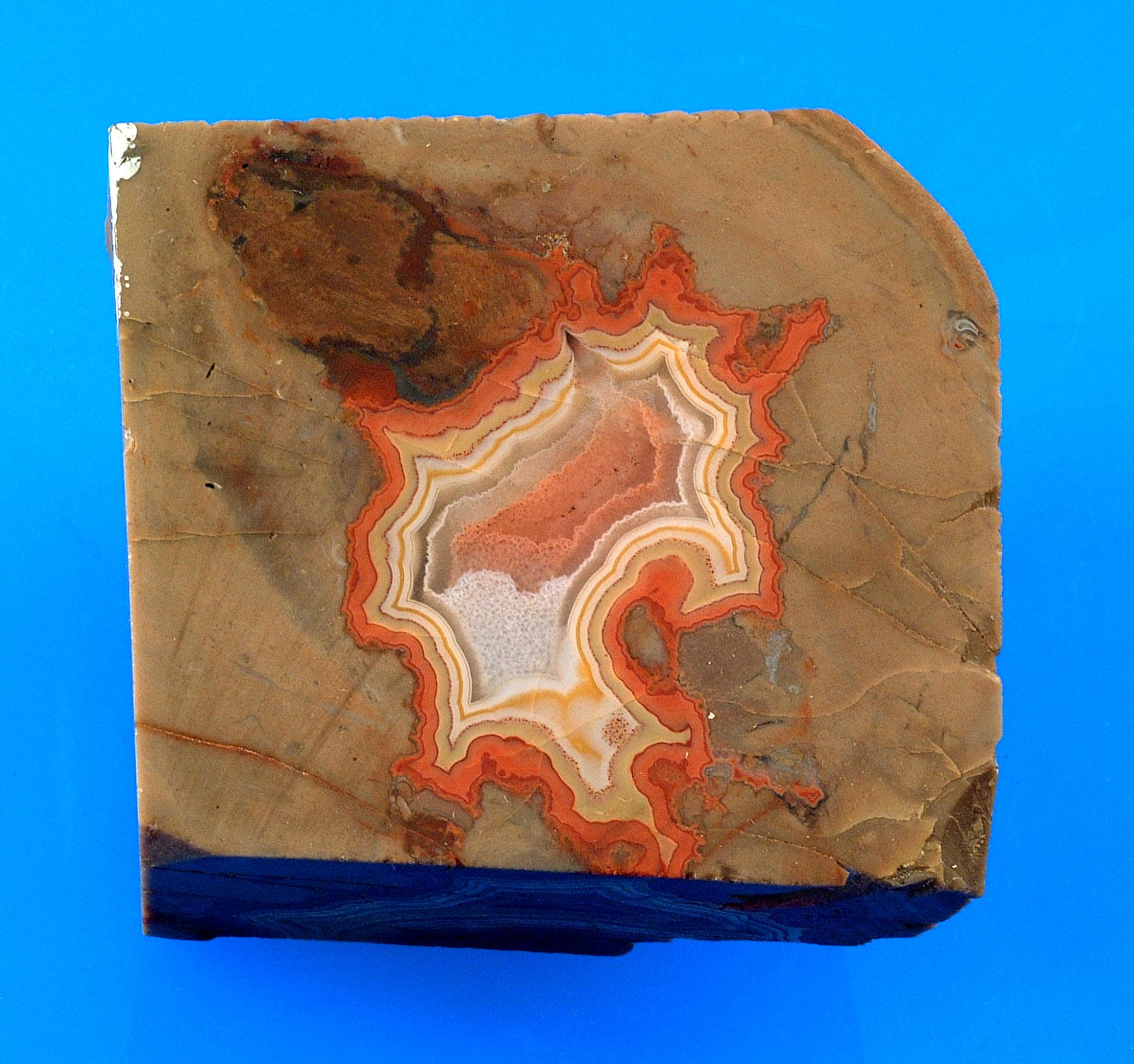
In practical terms, agate is the banded chalcedony variety. The clues that matter most are banding, translucency, conchoidal fracture, and the common habit of forming nodules or cavity fillings in volcanic rocks.
Appearance & Identification
Agate can be bright or subtle, but the strongest identification clues are structural rather than decorative.
- Banding: Curved, concentric, fortification, or other layered banding is the defining clue.
- Translucency: Many agates are partly translucent, especially in thinner edges.
- Habit: Nodules, geodes, seam fillings, and cavity linings are common forms.
- Hardness: Like other quartz-family materials, agate is hard enough to resist a steel knife.
- Fracture: No cleavage; broken surfaces show conchoidal fracture.
How to Identify Raw Agate
Do not expect a bright polished pattern. Raw agate often has a dull rind. Use several clues together before you name it.
- Wet the surface. Water can make faint bands and a waxy shine easier to see.
- Check a thin edge with a flashlight. Many agates let some light through, even when the center looks dark.
- Look for curved bands or a nodule shape. One clue is not enough, but these two together are useful.
- Test hardness on an unimportant spot. Agate should scratch glass and should resist a steel knife.
Never break a good specimen only to identify it. A club or rock shop can help first. If you plan to expose the inside yourself, compare the right lapidary saw for the size of the rock.
How Agate Forms
GIA describes agate as a banded variety of chalcedony and notes that agates form mostly in the cavities of acidic volcanic rocks. That fits the classic collector picture of silica-rich fluids filling vesicles, fractures, and open spaces in volcanic material.
Layer-by-layer growth explains the banding. Different pulses of silica, trace elements, and conditions can build alternating layers, which is why agates often show concentric or fortification patterns instead of one solid uniform body color.
Where Agate Is Found
Agate is worldwide, especially anywhere volcanic rocks with cavities have interacted with silica-rich fluids. Collectors know famous regional names such as Lake Superior agate and Botswana agate, but the broader geological story is much wider than a few trade-famous localities.
Stream gravels, weathered volcanic terrain, and eroded nodule-bearing beds are common collecting contexts. Because agate is durable, it often survives transport well and accumulates in places where softer materials have already broken down.
Verified places you can actually go
Each of these rests on a published rule from the agency that manages the ground, checked in August 2026. Rules change, so confirm before you drive.
- The Newport beaches, Oregon coast.Moolack, Agate and Beverly Beach are the classic stretch. Oregon's shore rule allows one gallon per person per day, three gallons per year. Winter storms strip the sand and uncover fresh gravel. Our beach hunting guide covers the season and the rules per shore.
- Lake Superior shore, Michigan. Grand Marais on the Upper Peninsula is a dependable agate beach. Michigan limits collecting on state and public-trust land to 25 lbs per person per year, up to the ordinary high water mark.
- BLM fire agate areas, Arizona. The Black Hills and Round Mountain rockhound areas near Safford are managed BLM collecting areas. Our Arizona rockhounding guide covers both.
These sit on our rockhounding map with coordinates and the source behind each access claim.
Similar Materials & Lookalikes
Most agate confusion happens within the chalcedony-quartz family rather than with unrelated minerals.
| Mineral | How to tell it apart from agate |
|---|---|
| Jasper | Jasper is usually more opaque and less obviously banded than agate. Agate tends to show translucency and clearer layered or concentric structure. |
| Plain chalcedony | Plain chalcedony may match agate in hardness and luster, but true agate shows obvious banding or structured layering rather than an even massive appearance. |
| Quartz | Agate belongs to the quartz family, but it is cryptocrystalline and usually found as banded nodules or cavity fillings rather than large euhedral quartz crystals. |
Beginner Tips for Collecting Agate
- Separate agate from generic chalcedony. Banding is the standard that keeps the label useful.
- Check translucency at thin edges. That often helps with rough material.
- Expect nodules. Rounded exterior forms are common in volcanic settings.
- Use fresh surfaces when possible. Weathered exteriors can hide the best internal structure.
Before you go collecting…
Most beginners head out without knowing the basics. Our beginner’s guide covers gear, safety, and the field tests that’ll help you identify what you find.
Frequently Asked Questions
No. Agate is a variety of chalcedony, and chalcedony is part of the quartz family rather than a separate agate mineral species.
Banding is the key distinction. GIA describes agate as a banded variety of chalcedony, so a specimen without clear banding is better called chalcedony unless a more specific variety applies.
No. Rough agates can look plain from the outside, especially when weathered. Sawed or broken surfaces often reveal the strongest banding and translucency.
GIA notes that agates form mostly in cavities of acidic volcanic rocks. That is why nodules, geodes, and vesicle fillings are such common agate settings.
Where to find agate
Sites where agate has been documented by our field team.
Arizona
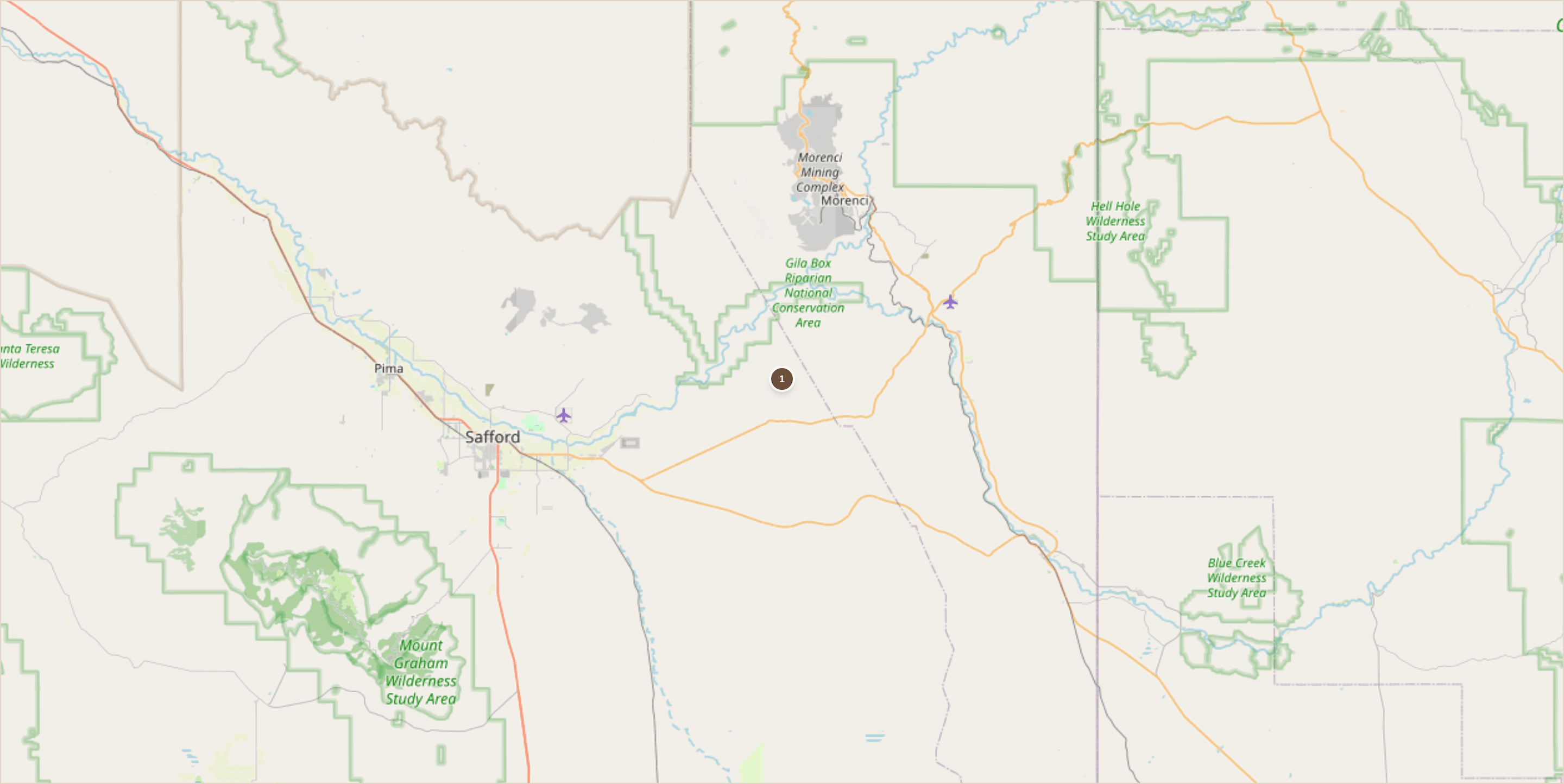
ModerateBlack Hills Rockhound Area
BLM-managed fire agate area near Safford and one of the clearest public rockhounding stops in Arizona. Best treated as a deliberate desert field day rather than a quick roadside stop.
Arizona
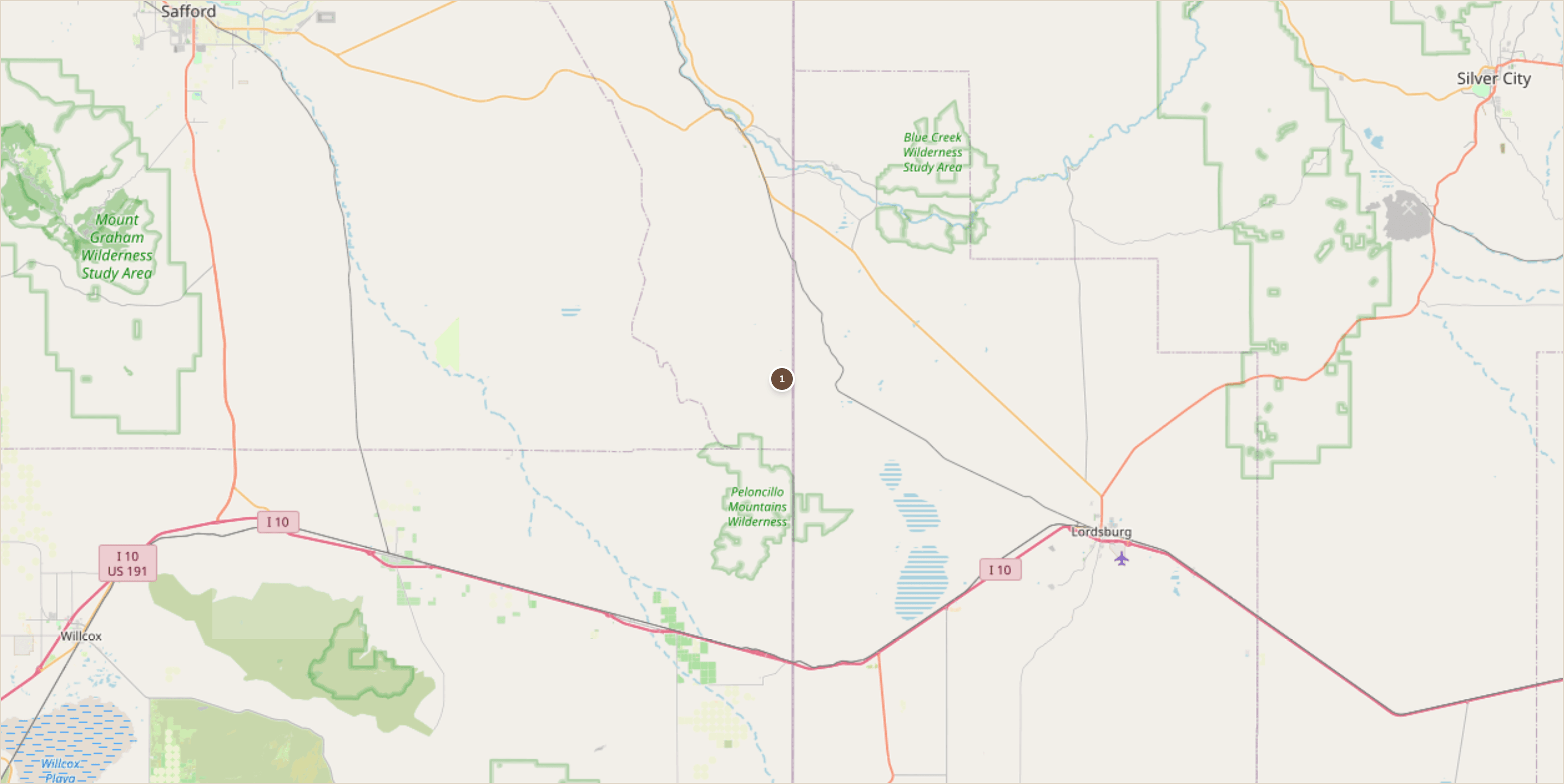
ModerateRound Mountain Rockhound Area
Second major BLM fire agate area in Arizona's Safford district. More remote than Black Hills and better planned as its own collecting day.

Arizona
ModerateSedona
Famous red rock scenery near Sedona, with protected zones off-limits to collecting and surrounding Coconino National Forest and Verde Valley BLM land offering legal casual collecting for agate, jasper, and petrified wood.
Arizona
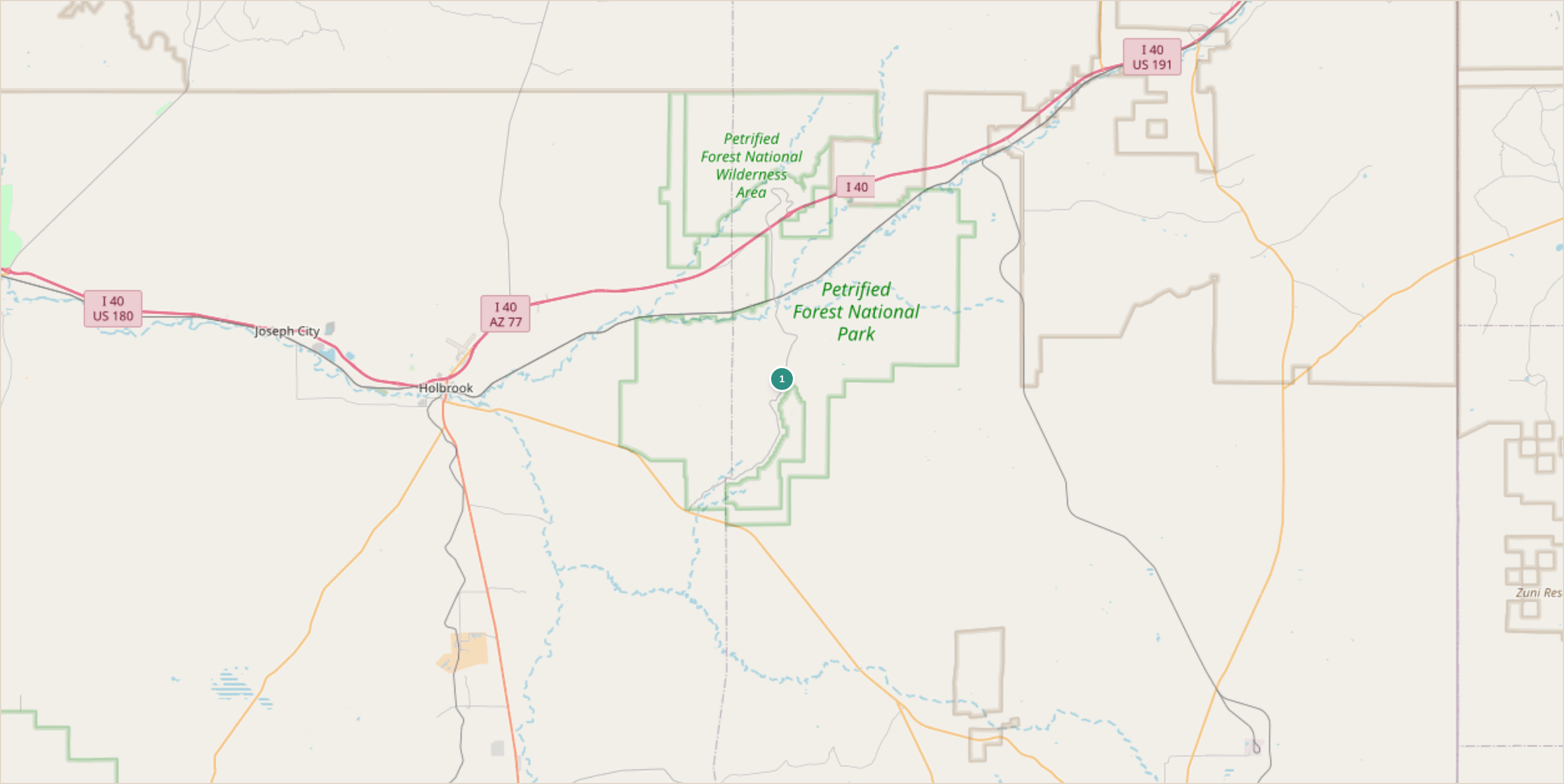
EasyHolbrook-area Petrified Wood Ground
Legal petrified wood planning outside Petrified Forest National Park, focused on public land where casual collecting rules may apply and the park boundary remains a hard no-collect line.
Your next step
Now that you know agate, here’s the logical next move.
Recommended next step
See where to find agate in the field
5 documented sites with GPS coordinates, access info, and collecting tips.
Sources & References
- OAR 736-021-0090 — ocean shore collecting limits — Oregon Parks and Recreation Department
- Rockhounding — Michigan Department of Environment, Great Lakes, and Energy
- Structures Behind the Spectacle: A Review of Optical Effects in Phenomenal Gemstones and Their Underlying Nanotextures — GIA
- Agates from Sidi Rahal, in the Atlas Mountains of Morocco: Gemological Characteristics and Proposed Origin — GIA
- Quartz — Handbook of Mineralogy
- File:Agate (GeoDIL number - 782).jpg — Wikimedia Commons