
Table of Contents
Aquamarine is the blue to blue-green member of the beryl family. In the field and in collector boxes, it often looks calmer and cleaner than emerald, which is one reason it is such an approachable beginner gem mineral.
The useful discipline is to identify it as beryl first. Pale blue color alone can mislead you toward quartz or treated topaz if you stop at color instead of checking crystal family and cleavage behavior.
Appearance & Identification
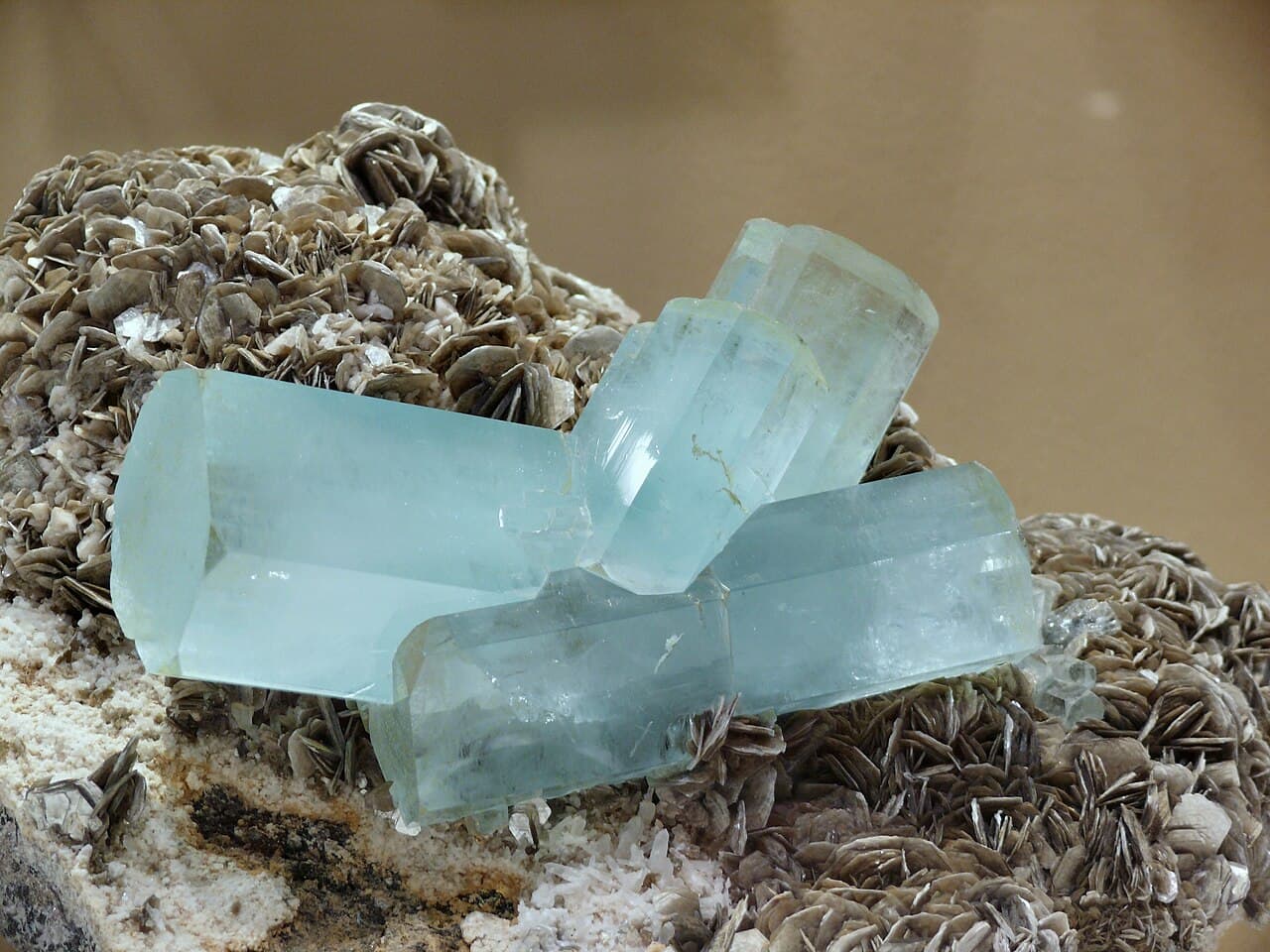
- Color: Aquamarine is usually pale blue to blue-green rather than saturated emerald green or the stronger tones seen in many tourmalines.
- Habit: Hexagonal prismatic crystals are typical, often with relatively clean, simple faces.
- Cleavage: Beryl does not show topaz-style perfect cleavage, which helps separate pale beryl from pale topaz.
- Transparency: Many crystals are comparatively clear, though fractures and inclusions still occur.
How Aquamarine Forms
Aquamarine usually forms in granitic pegmatites and related hydrothermal systems where beryllium-rich fluids had enough space to grow prismatic crystals.
That pegmatite setting matters because aquamarine is often found with feldspar, quartz, mica, and other late-stage minerals rather than appearing alone in random sedimentary settings.
Where Aquamarine Is Found
Important aquamarine localities include Brazil, Pakistan, Afghanistan, Nigeria, Madagascar, and parts of the United States. High-quality crystals are strongly tied to pegmatite districts.
On this site, North Carolina is the relevant field context because aquamarine is one of the better-known gem-related finds linked to Emerald Hollow's public dig setting.
Lookalikes & Similar Material
Aquamarine gets confused with topaz and clear quartz more often than with unrelated dark blue minerals. Pale color makes habit and cleavage more important, not less.
| Mineral | How to tell it apart from aquamarine |
|---|---|
| Topaz | Blue topaz can be similar in color, but aquamarine is beryl and lacks topaz's perfect cleavage. |
| Clear Quartz | Quartz can be pale and glassy, but aquamarine shows beryl habit and a different hardness and crystal family. |
| Emerald | Emerald is also beryl, but it occupies the green end of the color range and is often more included than aquamarine. |
Collecting Tips
- Check crystal habit before trusting color labels from a dig pile or old collection box.
- Use a conservative ID when the specimen is pale and heavily broken.
- Notice associated pegmatite minerals because they strengthen the beryl call.
Before you go collecting…
Most beginners head out without knowing the basics. Our beginner’s guide covers gear, safety, and the field tests that’ll help you identify what you find.
Frequently Asked Questions
No. Aquamarine is the blue to blue-green variety of beryl.
Yes. Some aquamarine is so pale that it sits near colorless beryl and only shows faint blue in the right light.
North Carolina is the main internal reference because aquamarine is one of the pegmatite-related finds associated with Emerald Hollow.
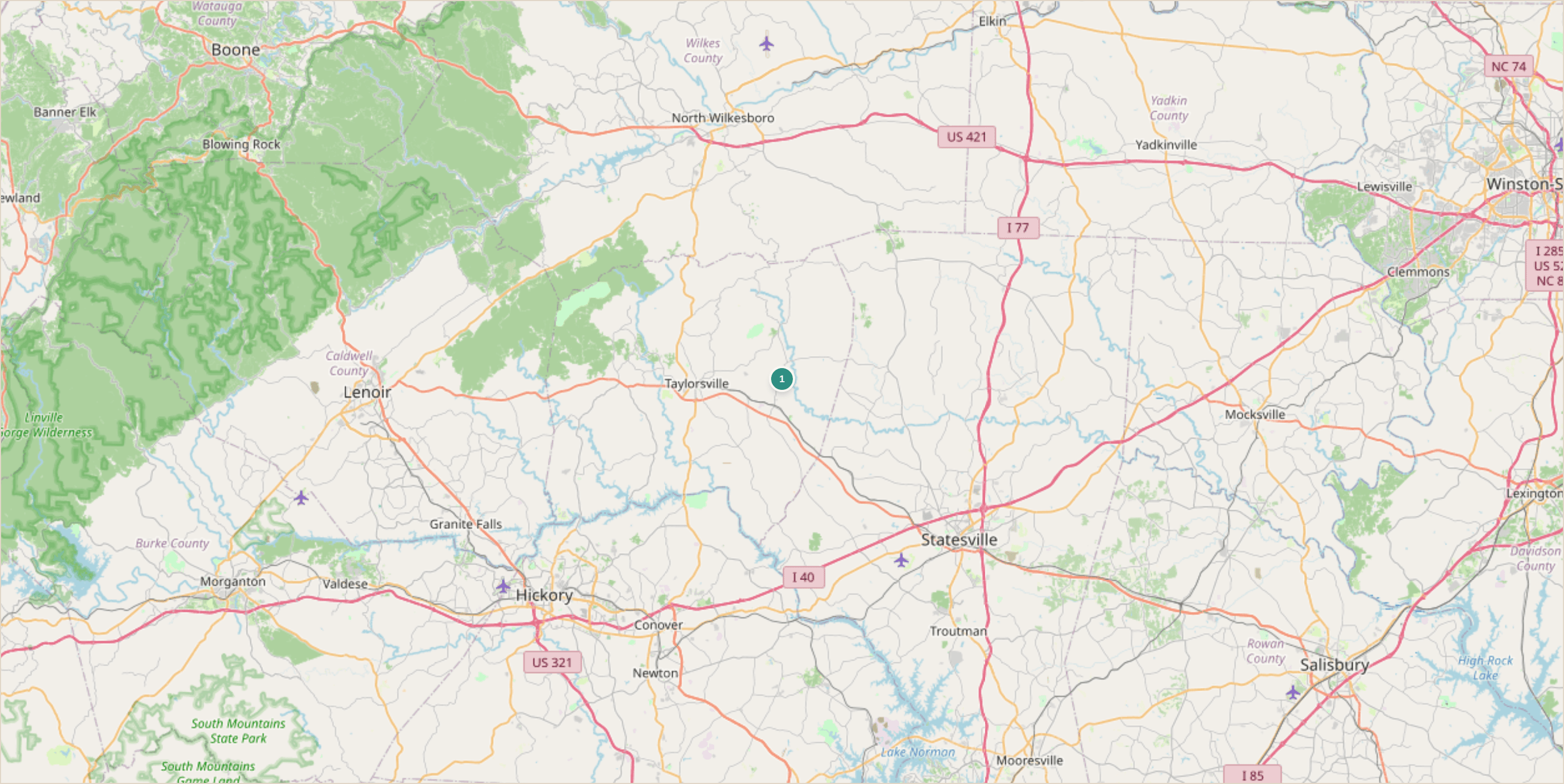
Where to find aquamarine
Sites where aquamarine has been documented by our field team.
Your next step
Now that you know aquamarine, here’s the logical next move.
Recommended next step
See where to find aquamarine in the field
1 documented sites with GPS coordinates, access info, and collecting tips.
Sources & References
- Beryl — Handbook of Mineralogy
- Aquamarine Description — GIA