
Table of Contents
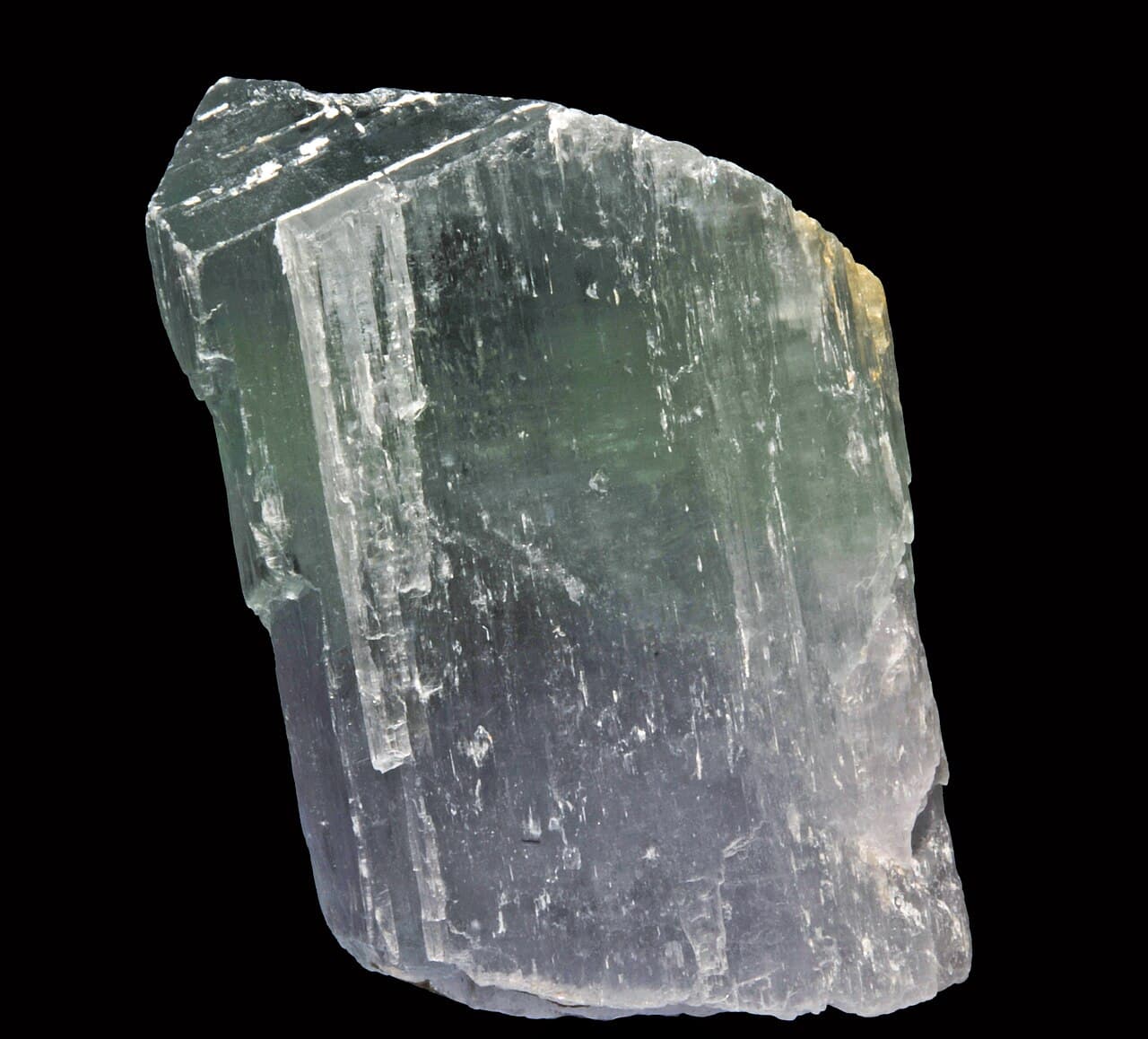
Kunzite is pink spodumene, not pink beryl and not pink tourmaline. That family distinction matters because its cleavage, crystal habit, and collector handling rules are different from the other pink pegmatite minerals people confuse it with.
In practice, kunzite often looks elegant but delicate. Long, glassy crystals can be impressive, yet they demand more caution than beginners expect from a mineral that still sits near quartz hardness.
Appearance & Identification
- Color: Typical colors range from pale pink to lilac and soft violet-pink.
- Habit: Crystals are often elongated and bladed to prismatic rather than stout hexagonal beryl forms.
- Cleavage: Perfect cleavage is one of the defining practical traits of spodumene varieties such as kunzite.
- Context: Kunzite belongs in pegmatite settings, commonly near quartz, feldspar, mica, and other gem pegmatite minerals.
How Kunzite Forms
Kunzite forms in lithium-rich granitic pegmatites where spodumene crystallized under late-stage magmatic conditions. That same environment also produces tourmaline, beryl, quartz, and mica-rich associations.
Its color comes from trace manganese, and its gem importance comes from the combination of transparency, size, and soft attractive color in a mineral family better known to collectors than to casual jewelry buyers.
Where Kunzite Is Found
Afghanistan, Brazil, Madagascar, Pakistan, and the United States all matter in kunzite's collector history. Fine material is strongly associated with pegmatite gem districts.
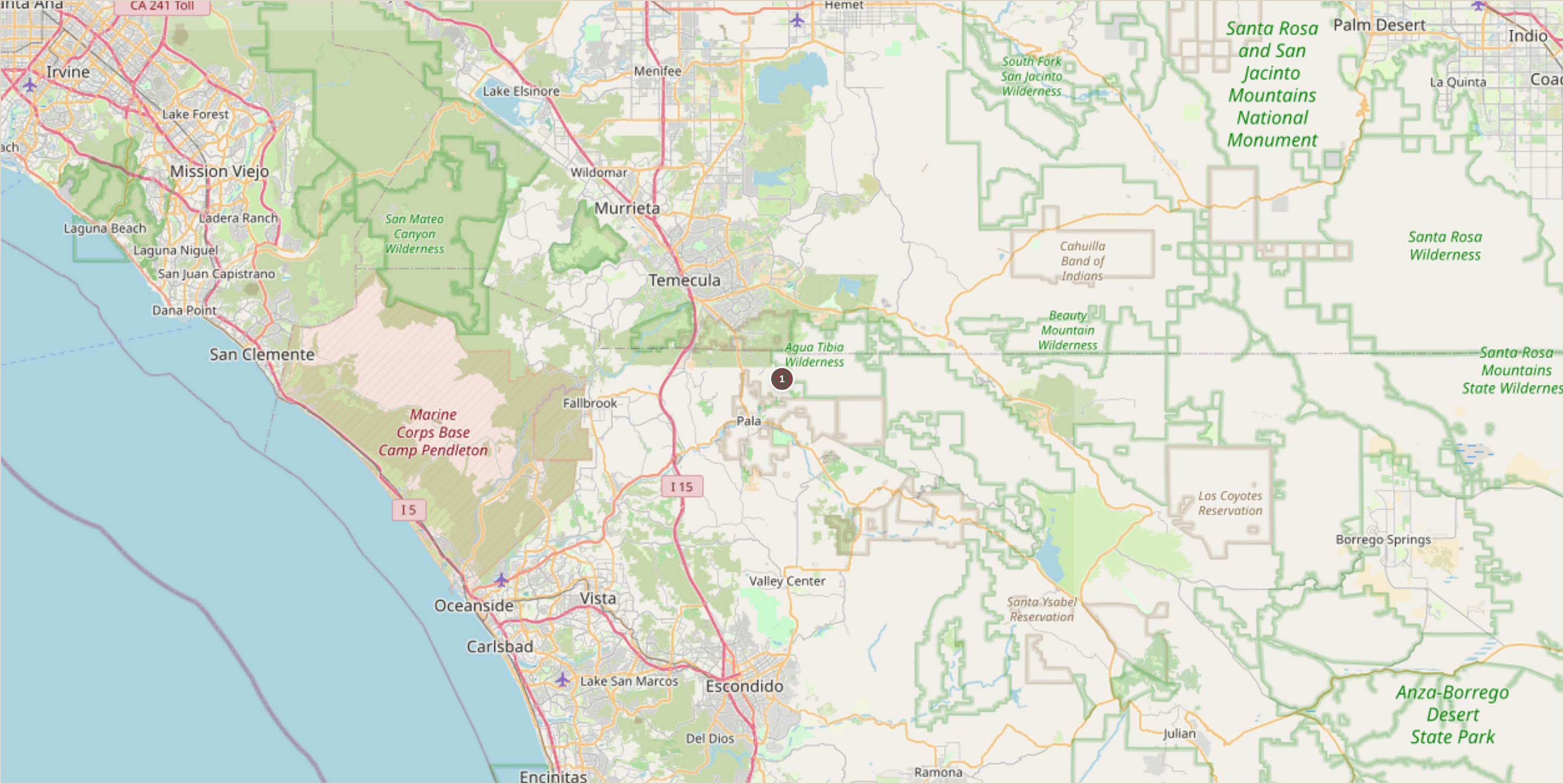
California is the key internal collecting context on this site because the Pala pegmatites, including Oceanview Mine, are part of the classic American kunzite story.
Lookalikes & Similar Material
Pink pegmatite minerals overlap in color, but they do not overlap in cleavage or crystal family. That difference keeps kunzite from being just another generic pink crystal label.
| Mineral | How to tell it apart from kunzite |
|---|---|
| Morganite | Morganite is pink beryl, not spodumene, and it does not show the same prominent cleavage behavior as kunzite. |
| Tourmaline | Pink tourmaline is usually more strongly striated and less cleavage-prone than kunzite. |
| Hiddenite | Hiddenite is the green variety of spodumene, while kunzite is pink to lilac. |
Collecting Tips
- Check for strong cleavage before trying to free a crystal from pegmatite.
- Do not confuse every pale pink pegmatite crystal with morganite or tourmaline.
- Store display pieces away from unnecessary hard knocks and prolonged strong light.
Before you go collecting…
Most beginners head out without knowing the basics. Our beginner’s guide covers gear, safety, and the field tests that’ll help you identify what you find.
Frequently Asked Questions
No. Kunzite is the pink to lilac gem variety of spodumene.
Perfect cleavage means attractive crystals can split cleanly even though the mineral is not especially soft.
Some kunzite color can fade with strong light exposure, which matters more for display material than for rough field identification.
Where to find kunzite
Sites where kunzite has been documented by our field team.
Your next step
Now that you know kunzite, here’s the logical next move.
Recommended next step
See where to find kunzite in the field
1 documented sites with GPS coordinates, access info, and collecting tips.
Sources & References
- Spodumene — Handbook of Mineralogy
- Kunzite Description — GIA