
Table of Contents
Morganite is pink beryl, and that family relationship is the best place to start. Once you think of it as a beryl variety rather than only a gem trade name, the habit, hardness, and pegmatite setting make much more sense.
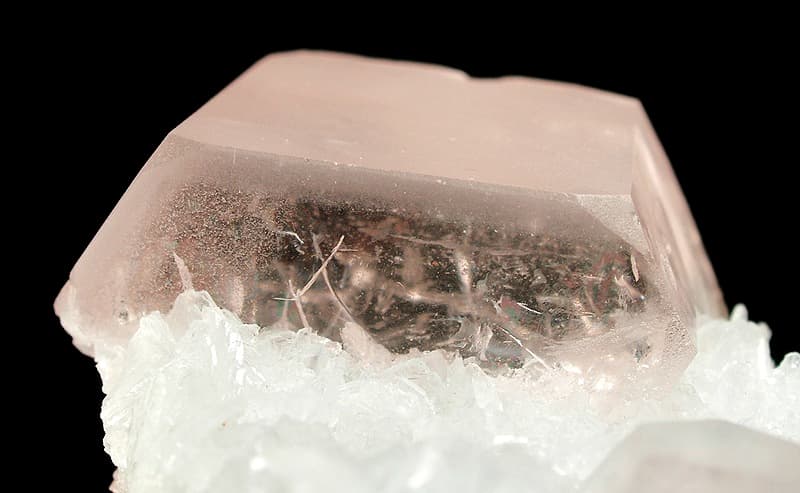
For collectors, morganite is often about subtlety. The appeal is usually soft peach-pink color plus clean crystal form, not the kind of heavy saturation people expect from more dramatic gem names.
Appearance & Identification
- Color: Morganite ranges from pale pink to peach and salmon tones rather than violet-pink or bright magenta.
- Habit: It keeps the hexagonal prismatic habit typical of beryl.
- Hardness: Morganite shares beryl's relatively high hardness but is still vulnerable to fractures and careless handling.
- Context: Pegmatite host material is a strong clue because morganite is not a random stream-gravel beginner ID.
How Morganite Forms
Morganite forms in granitic pegmatites as part of the beryl group, where late-stage fluids can grow large crystals in open pockets and coarse-grained pegmatite zones.
That geological setting overlaps with other famous gem minerals such as tourmaline, quartz, kunzite, and lepidolite, which is why pegmatite districts produce so many collector favorites together.
Where Morganite Is Found
Brazil, Afghanistan, Madagascar, Mozambique, and the United States are all part of morganite's collector history. Fine material is most strongly tied to pegmatite districts.
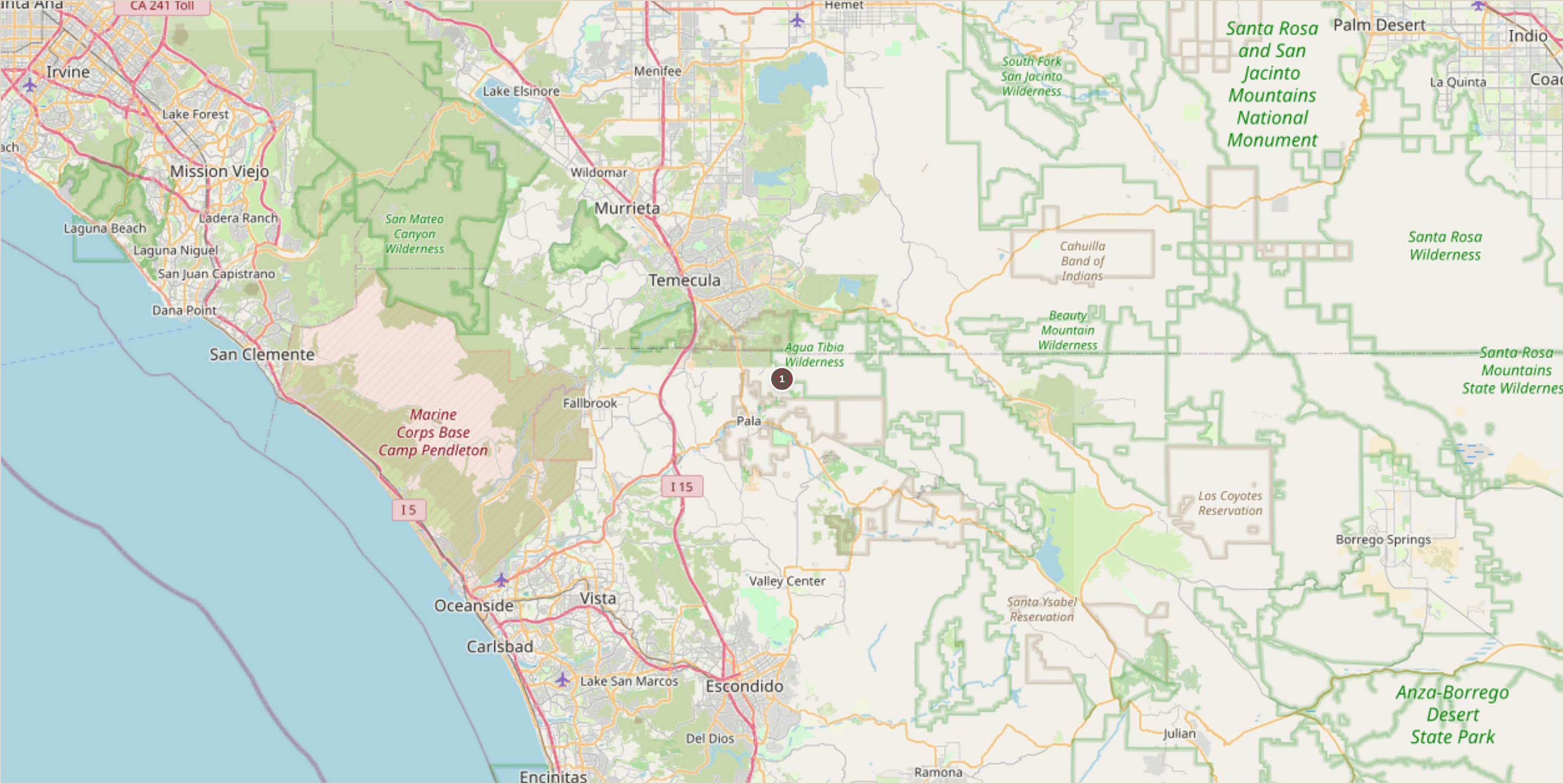
Within this site, California's Pala district is the key field reference because morganite appears in the same general pegmatite conversation as kunzite and tourmaline at Oceanview Mine.
Lookalikes & Similar Material
Pink gem minerals overlap in color far more than beginners expect. The safer path is to separate them by mineral family and habit before worrying about value labels.
| Mineral | How to tell it apart from morganite |
|---|---|
| Kunzite | Kunzite can also be pink, but it is spodumene, not beryl, and it shows strong cleavage and a different crystal habit. |
| Tourmaline | Pink tourmaline is commonly striated and more slender, while morganite keeps beryl's hexagonal habit and softer peach-pink tone. |
| Aquamarine | Aquamarine is also beryl, but its color range is blue to blue-green rather than pink or peach. |
Collecting Tips
- Use host rock and associated pegmatite minerals as part of the ID.
- Do not force every pale pink pegmatite crystal into morganite without checking habit and cleavage.
- Protect cleaner crystals from edge damage because soft color often pairs with aesthetic clarity.
Before you go collecting…
Most beginners head out without knowing the basics. Our beginner’s guide covers gear, safety, and the field tests that’ll help you identify what you find.
Frequently Asked Questions
No. Morganite is the pink to peach variety of beryl.
Many morganite crystals are naturally light in color, and collectors often judge them on clarity and habit as much as saturation.
California's Pala district is the main internal context here because Oceanview Mine is tied to pegmatite gem minerals including morganite and kunzite.
Where to find morganite
Sites where morganite has been documented by our field team.
Your next step
Now that you know morganite, here’s the logical next move.
Recommended next step
See where to find morganite in the field
1 documented sites with GPS coordinates, access info, and collecting tips.
Sources & References
- Beryl — Handbook of Mineralogy
- Morganite Description — GIA