
Table of Contents
Crater of Diamonds is the rare kind of collecting site that can be explained in one sentence and still sound unbelievable: it is the only public diamond-search area in the world where visitors can look for diamonds in their original volcanic source and keep anything they find. That makes it one of the most approachable collecting trips in the country, even if the odds of a major diamond are still very low.
The park's search area is a 37.5-acre plowed field. Visitors usually work the rows, surface-pick loose material, or carefully dig between the rows with hand tools. If you are planning a first visit, this is less about speed and more about patience, posture, and knowing what the rough looks like before you start.
Best Rockhounding Sites at Crater of Diamonds State Park
There is really one primary collecting area here: the diamond search field. The rest of the park is for camping, exhibits, and general recreation, so your success depends on working the search area well instead of trying to expand beyond it.
Main Diamond Search Field
The park's 37.5-acre plowed search area is the only place at Crater of Diamonds where visitors can search for diamonds and other stones. Visitors work the rows, surface-pick loose material, or carefully dig between the plowed rows. Park staff identify and certify finds at the Diamond Discovery Center.
Tip: Fresh rain and recent plowing both improve exposure. Keep your finds organized and stop by the Diamond Discovery Center if you think you have something unusual.
Rocks and Minerals You Can Find at Crater of Diamonds State Park
Crater of Diamonds is best known for natural diamonds, and the park publishes the most common colors as white, brown, and yellow. Park staff also document amethyst, garnet, jasper, agate, quartz, and barite among the stones visitors regularly recover.
That mix matters because beginners often overlook the non-diamond material. A careful search can still produce interesting quartz, jasper, or agate even on a day when no diamond turns up.
Crater of Diamonds State Park Rockhounding Rules & Access
Entry requires park admission, and the park keeps the collecting rules straightforward: visitors may bring their own non-motorized tools or rent equipment at the Diamond Discovery Center, but ladders and battery-powered or motor-driven mining tools are not allowed. Park staff also identify and certify finds for visitors who think they have a diamond.
| Rule | Practical takeaway |
|---|---|
| Search area only | Keep all prospecting inside the plowed field. |
| Hand tools only | No battery-powered or motor-driven equipment. |
| Keep what you find | Any rock or mineral from the search area is yours. |
| Park review available | Bring suspicious finds to the Diamond Discovery Center. |
How to Work the Field
Work the search area slowly and methodically. The best habit is to follow one row at a time, scan for bright crystal faces, and pay extra attention to low spots where loose material tends to collect after rain or plowing. A surface find can be tiny, so do not rush past anything that flashes differently from the surrounding gravel.
Best Time to Go Rockhounding at Crater of Diamonds State Park
The strongest pattern is simple: go after rain and after the field has been recently plowed. Rain helps wash away loose dirt, while plowing brings fresh material to the surface. Spring is usually the most practical season for a full-day visit because the weather is easier to manage than in the hottest months.
Recommended Gear
Bring a small shovel or trowel, a bucket or bag, a screen if you plan to sift, a kneeling pad, water, and full sun protection. Closed-toe shoes are a good idea, and gloves make long digging sessions easier on your hands.
A spray bottle can help you check luster on suspicious stones, and a labeled pouch or paper bag makes it easier to sort your finds later.
Safety Tips
Heat is the main issue here. Even a modest day in southwest Arkansas can become uncomfortable in a plowed field with little shade, so carry more water than you think you need and take breaks before you feel overheated. After heavy rain, the field can be muddy and tiring to cross.
Common Mistakes
- Expecting a giant diamond and ignoring smaller crystals and surface finds.
- Bringing powered equipment that the park does not allow.
- Spending too much time wandering instead of working one row methodically.
- Leaving without having suspicious finds checked by park staff.
FAQ
The main thing to remember is that Crater of Diamonds rewards consistency more than excitement. A patient day on the ground with the right access rules and the right expectations is usually more useful than trying to cover too much ground too quickly.
Planning your first collecting trip?
Most beginners skip the preparation step. Don’t — our beginner’s guide covers gear, safety, and field ID basics that’ll save you time and frustration.
Community
Recent discussion about Crater of Diamonds State Park
Field reports, tip-offs, and follow-up questions that belong next to this location guide.
Local discussion loads after the page is ready so the guide itself stays fast and fully readable.
Loading recent discussion for this area...
Frequently Asked Questions
No. Collecting is confined to the diamond search area. The official guidance is clear that all searching activity stays in the plowed field.
The park says the most common colors are white, brown, and yellow, in that order.
Yes. Any rock or mineral you find in the search area is yours to keep, including diamonds after they are identified by park staff.
Yes, but only non-motorized tools. Ladders, battery-operated equipment, and motor-driven equipment are not allowed.
Arkansas State Parks notes that amethyst, garnet, jasper, agate, quartz, and other semi-precious stones can also be found in the search area.
The park says freshly plowed ground after rain gives the best odds. Spring is usually the most forgiving season for both visibility and weather.
Collecting sites in Crater of Diamonds State Park
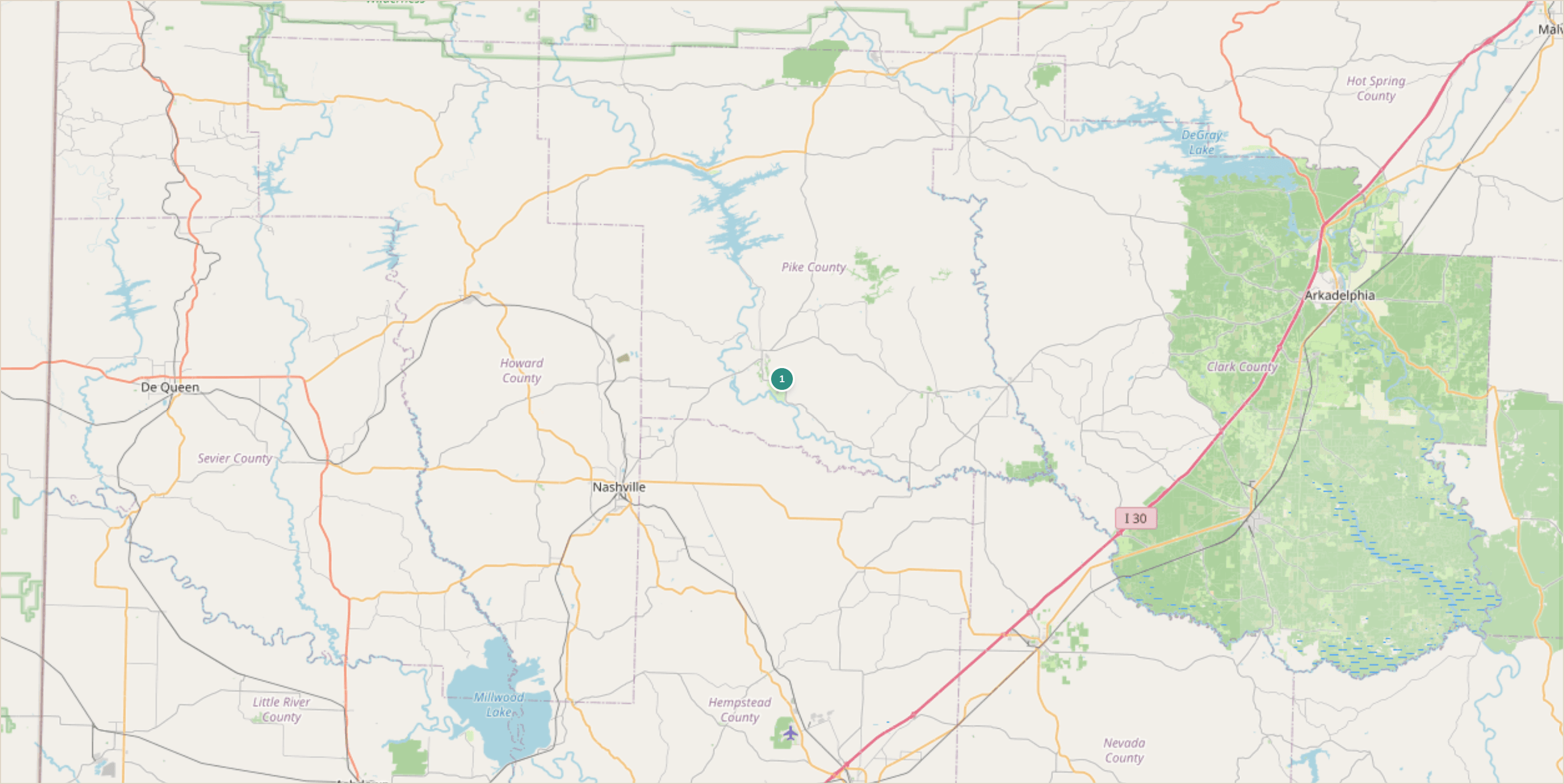
Click a marker for site details on the map.
Loading map...
Your next step
Heading to Crater of Diamonds State Park? Read this before you go.
Recommended next step
Learn to identify what you find in Crater of Diamonds State Park
Practical field tests for the minerals at this site — streak, hardness, luster, and crystal habit.
Sources & References
- Crater of Diamonds State Park — Arkansas State Parks
- Digging for Diamonds — Arkansas State Parks
- What Should I Bring to Crater of Diamonds — Arkansas State Parks
- Crater of Diamonds State Park FAQ — Arkansas State Parks
- Crater of Diamonds Latest Finds — Arkansas State Parks
- Plowing the Search Area — Arkansas State Parks
- Diamond Discovery Center — Arkansas State Parks