
Table of Contents
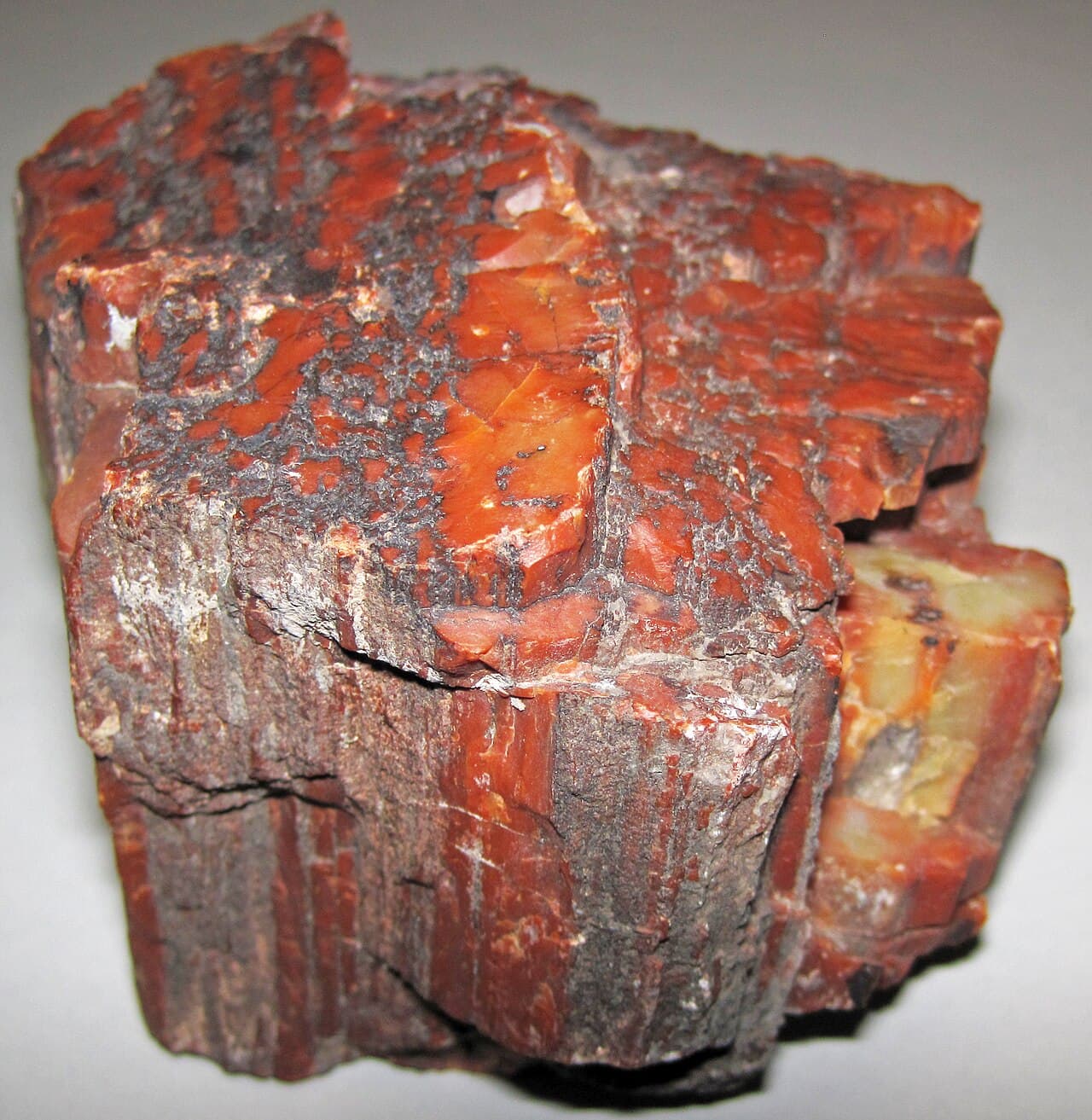
Petrified wood sits in the middle ground between fossils and minerals, which is part of why collectors love it. The original wood structure is what makes it interesting, but the silica replacement is what gives many pieces their hardness, polish, and color.
The most useful beginner habit is to look for structure before color. A red or brown silica-rich rock is not automatically petrified wood just because it is attractive or desert-weathered.
Appearance & Identification
- Structure: Look for preserved grain, rings, bark-like texture, or cellular wood patterns.
- Hardness: Silicified material is often hard enough to behave more like jasper or chalcedony than ordinary wood.
- Fracture: Fresh breaks may show conchoidal fracture together with preserved woody patterning.
- Color: Iron, manganese, carbon, and other impurities can produce reds, yellows, blacks, creams, and mixed tones.
How Petrified Wood Forms
Petrified wood forms when buried wood is preserved long enough for mineral-rich groundwater to replace or infill the original organic structure. Silica is the most common mineral involved in the classic colorful material collectors know best.
That replacement can be detailed enough to preserve microscopic structure, which is why petrified wood can still look strikingly woody even after becoming rock-hard.
Where Petrified Wood Is Found
Petrified wood occurs in many sedimentary and volcanic-associated fossil settings worldwide, but not every occurrence is open to collecting. Legal access matters as much as geology because famous park localities are often protected.
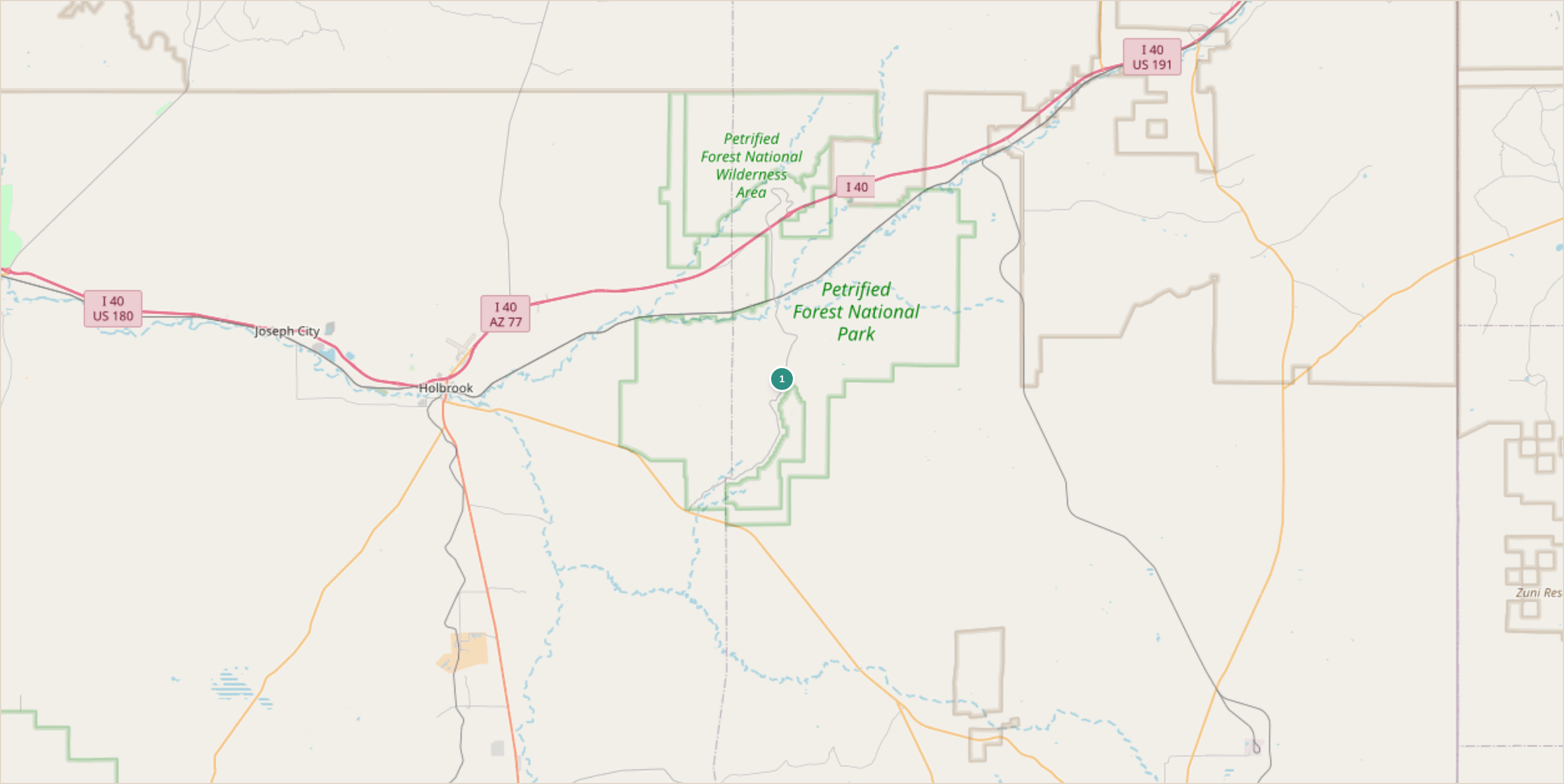
On this site, Arizona is the essential context. Holbrook-area planning only makes sense when collectors understand the strict boundary difference between legal public-land collecting outside the park and prohibited removal inside Petrified Forest National Park.
Lookalikes & Similar Material
Petrified wood is often confused with jasper and other silica-rich rocks because the replacement minerals overlap. The preserved wood structure is the deciding feature.
| Mineral | How to tell it apart from petrified wood |
|---|---|
| Jasper | Jasper may share color and silica hardness, but petrified wood preserves recognizable wood grain, ring structure, or cellular patterns. |
| Chalcedony | Chalcedony can be smooth and silica-rich, but it does not usually preserve woody texture or anatomical structure. |
| Limestone Fossils | Limestone fossils preserve shell or marine life impressions in carbonate rock, while petrified wood preserves plant structure, often in silica. |
Collecting Tips
- Study legal boundaries carefully because petrified wood rules can change sharply across nearby land units.
- Look for real wood structure before naming a specimen petrified wood.
- Fresh breaks may reveal pattern better than weathered outer surfaces, but only test material where collecting is legal.
Before you go collecting…
Most beginners head out without knowing the basics. Our beginner’s guide covers gear, safety, and the field tests that’ll help you identify what you find.
Frequently Asked Questions
Not in the strict sense. It is fossil wood preserved or replaced by minerals, often silica.
Many specimens are heavily silicified, which gives them quartz-family hardness and conchoidal fracture.
Arizona is the clearest field context because Holbrook-area collecting is closely tied to legal petrified wood planning outside the national park boundary.
Where to find petrified wood
Sites where petrified wood has been documented by our field team.

Arizona
ModerateSedona
Famous red rock scenery near Sedona, with protected zones off-limits to collecting and surrounding Coconino National Forest and Verde Valley BLM land offering legal casual collecting for agate, jasper, and petrified wood.
Arizona
EasyHolbrook-area Petrified Wood Ground
Legal petrified wood planning outside Petrified Forest National Park, focused on public land where casual collecting rules may apply and the park boundary remains a hard no-collect line.
Your next step
Now that you know petrified wood, here’s the logical next move.
Recommended next step
See where to find petrified wood in the field
2 documented sites with GPS coordinates, access info, and collecting tips.
Sources & References
- Petrified Wood at Petrified Forest — National Park Service
- Chalcedony and Quartz Varieties — USGS