
Table of Contents
Black Hills is one of the best examples of why Arizona needs a land-status-first approach. It is not just "somewhere near Safford where people say they find fire agate." The BLM publishes it as a rockhound area, and that gives the trip a rare kind of clarity for Arizona: legitimate public access, a known target, and a collecting model that already expects recreational visitors.
That does not make it effortless. Black Hills is still a desert field day where success depends on slow searching, careful reading of chalcedony surfaces, and enough water and daylight to avoid turning a specimen hunt into a vehicle-recovery problem.
Best Rockhounding Sites at Black Hills Rockhound Area
The site logic is simple because the locality itself is the destination. You are not choosing between multiple formal stops here; you are choosing whether Black Hills is the right kind of fire agate day for your schedule and vehicle setup.
Black Hills collecting area
The BLM's Black Hills page makes this one of the cleanest public collecting stops in Arizona because the agency already treats it as a rockhound area. That matters more than hype: the site is managed for recreational collecting and the main target is fire agate in host material and float.
Tip: Treat it as a real desert field day. Bring more water than you think you need, use a spray bottle to read agate surfaces, and do not count on cell service or fast recovery if something goes wrong.
Rocks and Minerals You Can Find at Black Hills Rockhound Area
Fire agate is the main reason to be here. The rest of the material matters because it teaches you what to keep scanning and what to ignore: chalcedony with the right structure, agate, and related jaspery host material all belong to the same reading process.
- Fire agate is the primary collecting target.
- Chalcedony and agate help you understand the host and where better material may be concentrated.
- Jasper shows up as part of the broader desert specimen mix.
Black Hills Rockhound Area Rockhounding Rules & Access
The BLM's Arizona rockhounding guidance is the legal spine for Black Hills. Casual, noncommercial collecting is generally allowed on BLM land, but that still means personal-use limits, no commercial removal without authorization, and no ignoring claims, closures, or posted restrictions.
| Question | Practical answer |
|---|---|
| Land manager | BLM Safford-side public land. |
| Permit for casual collecting | Generally no, if the use is personal and noncommercial. |
| Tools | Black Hills is one of the Arizona sites where hand-tool use is part of the public rockhound model. |
| What still matters | Claims, closures, quantity limits, weather, and safe road use. |
How to Work the Area
Black Hills rewards pace more than brute force. Walk slowly, watch for chalcedony with the right skin and structure, and keep a spray bottle in hand if you want to actually read material instead of guessing at dry surfaces.
If you are new to fire agate, the best habit is to use Black Hills as a training ground rather than expecting every interesting piece to flash instantly. The site's public status makes it forgiving; the mineral still does not.
Best Time to Go Rockhounding at Black Hills Rockhound Area
October through April is the smart Black Hills season. The site sits in serious desert country, and the collecting benefit of extra daylight is not worth the cost of hotter conditions once temperatures climb.
Recommended Gear
Water, sun protection, a spray bottle, hand tools suited to careful work, sturdy footwear, offline maps, and enough fuel margin to stop pretending the return drive will take care of itself.
Safety Tips
- Plan the road day before the rock day.
- Carry more water than a casual forecast seems to justify.
- Do not push farther into the desert than your turnaround margin allows.
- Handle cactus, wildlife, and bad cell coverage as routine site conditions.
Common Mistakes
- Treating Black Hills as a quick stop instead of a managed desert field day.
- Expecting obvious fire agate without learning how dry material reads.
- Letting the site's legal clarity make you sloppy about heat and roads.
For the broader Arizona context, go back to the Arizona state guide. If you want the next Safford-side comparison after Black Hills, the natural follow-up is Round Mountain Rockhound Area.
Planning your first collecting trip?
Most beginners skip the preparation step. Don’t — our beginner’s guide covers gear, safety, and field ID basics that’ll save you time and frustration.
Community
Recent discussion about Black Hills Rockhound Area
Field reports, tip-offs, and follow-up questions that belong next to this location guide.
Local discussion loads after the page is ready so the guide itself stays fast and fully readable.
Loading recent discussion for this area...
Frequently Asked Questions
Yes. The BLM publishes Black Hills as a rockhound area, which makes it one of Arizona's clearest public collecting stops rather than an access-by-rumor site.
For normal noncommercial collecting, not usually. The BLM's Arizona rockhounding guidance still controls quantities, closures, claims, and any posted restrictions.
Fire agate. Chalcedony, agate, and jasper are part of the same collecting story, but fire agate is the reason most visitors make the drive.
Yes, but it is a better beginner site for access than for instant success. The managed public-land status helps, but spotting quality fire agate still takes patience and field reading.
Treating a legal site like an easy site. Black Hills is a strong public option, but it is still desert collecting with distance, heat, and slow searching.
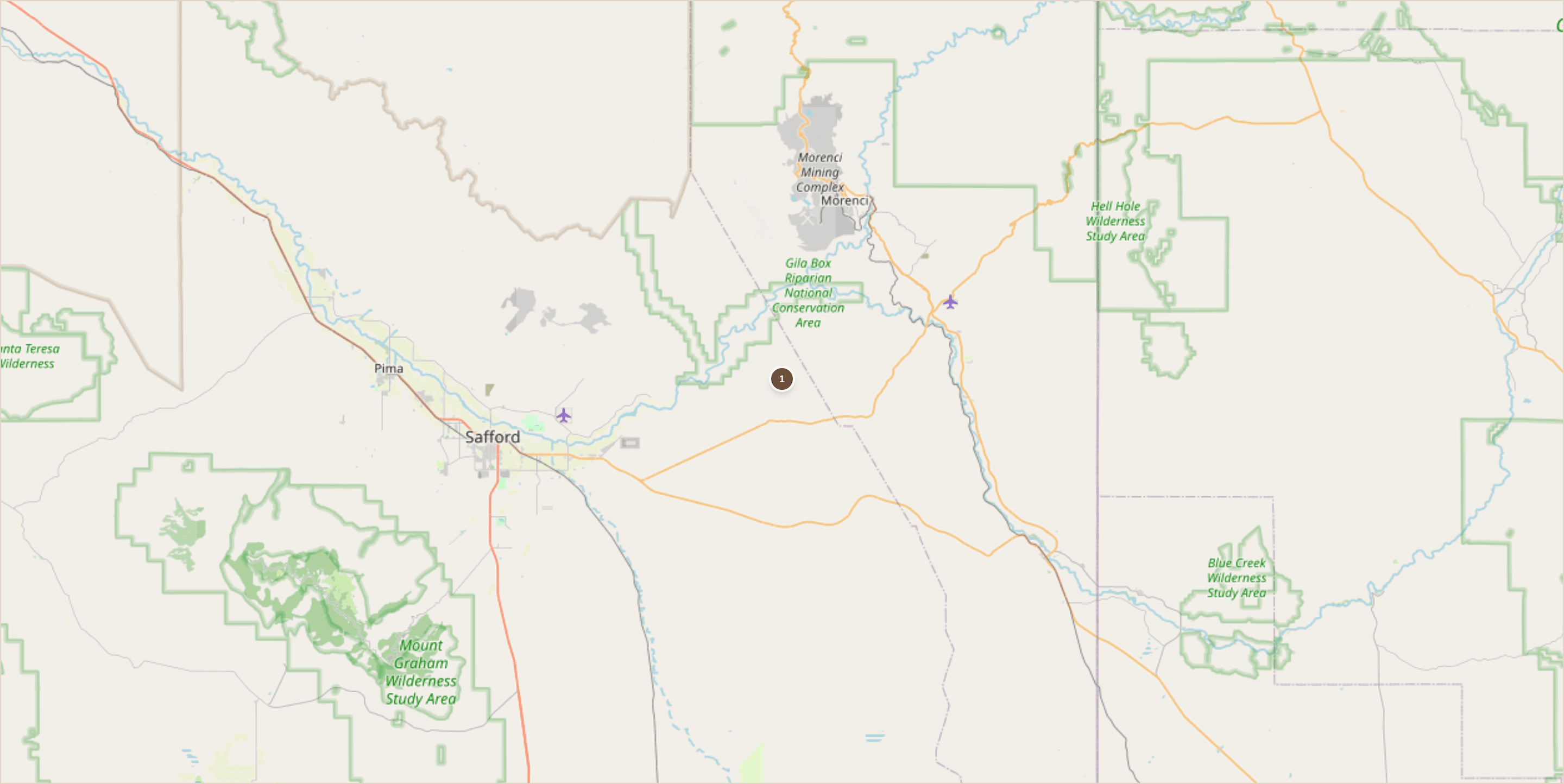
Collecting sites in Black Hills Rockhound Area
Click a marker for site details on the map.
Loading map...
Your next step
Heading to Black Hills Rockhound Area? Read this before you go.
Recommended next step
Learn to identify what you find in Black Hills Rockhound Area
Practical field tests for the minerals at this site — streak, hardness, luster, and crystal habit.
Sources & References
- Black Hills Rockhound Area — U.S. Department of the Interior, Bureau of Land Management
- Rockhounding in Arizona — U.S. Department of the Interior, Bureau of Land Management
- Rock Hounding and Mineral Collecting FAQs — U.S. Department of the Interior, Bureau of Land Management