
Table of Contents
Diamond Point is one of the places where Arizona stops looking like a one-note desert state. The Tonto National Forest treats it as a recreation area for rocks and minerals near Payson, and that gives the current project a clean official quartz stop without pretending that all forest land in Arizona works the same way.
The point of the trip is quartz, not the name. If you come in expecting literal diamonds, you are already planning the wrong site. If you come in expecting crystal country with forest-road realities, Diamond Point starts making much more sense.
Best Rockhounding Sites at Diamond Point
The collecting area itself is the main stop. Diamond Point is useful because the target and the land manager are both relatively legible by Arizona standards: quartz in a named National Forest recreation area.
Diamond Point collecting area
Tonto National Forest identifies Diamond Point as a rocks-and-minerals recreation area near Payson. That makes it the strongest official Arizona quartz site currently in the project and the cleanest counterweight to the Safford-side fire agate pages.
Tip: Check current forest-road conditions before you commit. Diamond Point is a better cool-season and shoulder-season plan than a heat-heavy desert day, but it is still a road-and-access problem before it becomes a crystal problem.
Rocks and Minerals You Can Find at Diamond Point
Quartz crystals are the headline material, especially the doubly terminated points that gave the locality its reputation. Thunder eggs and related volcanic-country material belong to the broader story, but quartz is still the reason the route matters.
Diamond Point Rockhounding Rules & Access
Diamond Point is National Forest ground, not a BLM rockhound area and not a protected park. That means the access logic is its own thing: follow Forest Service recreation and mineral-collecting guidance, stay aware of road status, and do not turn one documented quartz area into a blank check for any forest road nearby.
How to Work the Area
Diamond Point works best when you stay focused on the quartz objective. Treat the locality as a crystal trip with forest logistics, not as a vague day of wandering central Arizona roads hoping something appears.
Best Time to Go Rockhounding at Diamond Point
Spring through fall is the normal working window, but current road conditions matter more than the season label on its own. One of Diamond Point's real advantages is that it can be a better hot-weather option than the lower desert.
Recommended Gear
Water, route backup, hand tools appropriate to legal recreational collecting, eye protection, and enough vehicle margin to turn bad road calls into small inconveniences instead of big ones.
Safety Tips
- Check Forest Service road information before leaving town.
- Do not mistake cooler temperatures for zero risk.
- Keep the collecting plan inside the documented recreation area logic.
Common Mistakes
- Reading the word "diamond" literally.
- Ignoring forest access conditions.
- Stretching one verified site into a generalized access assumption.
To compare Diamond Point with Arizona's desert collecting model, go back to the Arizona state guide or contrast it with Black Hills.
Planning your first collecting trip?
Most beginners skip the preparation step. Don’t — our beginner’s guide covers gear, safety, and field ID basics that’ll save you time and frustration.
Community
Recent discussion about Diamond Point
Field reports, tip-offs, and follow-up questions that belong next to this location guide.
Local discussion loads after the page is ready so the guide itself stays fast and fully readable.
Loading recent discussion for this area...
Frequently Asked Questions
No. The famous material is quartz. The name is a quartz nickname story, not a diamond-mining story.
Because it gives Arizona a strong official quartz stop under National Forest management, not just a desert fire agate identity.
Usually not for ordinary recreational collecting, but National Forest rules, road status, and any local restrictions still control what is actually allowed.
Quartz crystals, especially the doubly terminated material that made the site famous among collectors.
Ignoring forest-road conditions and treating Diamond Point like paved-access sightseeing. The crystal trip still starts with route verification.
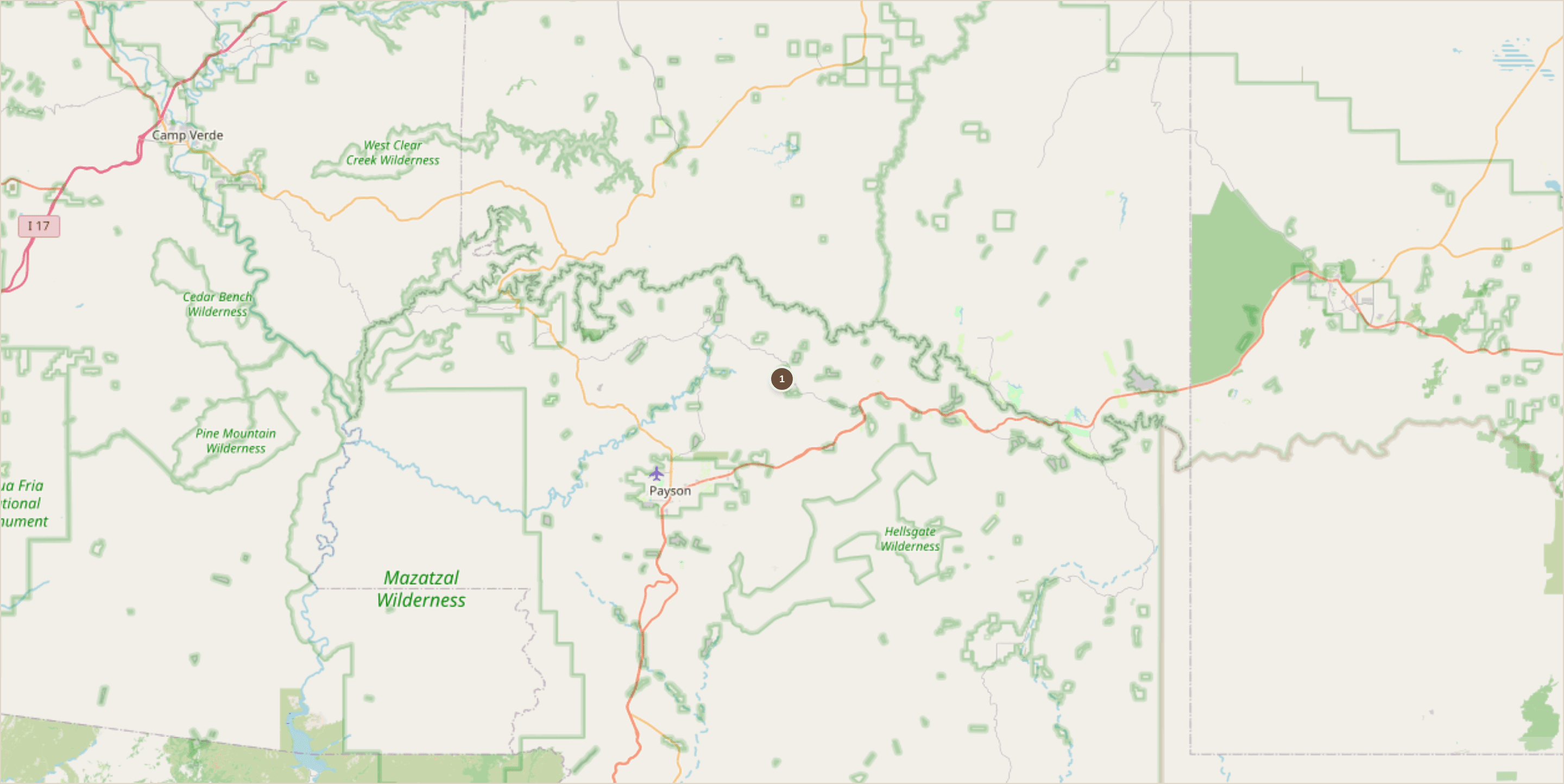
Collecting sites in Diamond Point
Click a marker for site details on the map.
Loading map...
Your next step
Heading to Diamond Point? Read this before you go.
Recommended next step
Learn to identify what you find in Diamond Point
Practical field tests for the minerals at this site — streak, hardness, luster, and crystal habit.
Sources & References
- Diamond Point — U.S. Forest Service, Tonto National Forest
- Recreational Mineral Collecting — U.S. Forest Service, Tonto National Forest
- Arizona State Guide — The Rockhounding Hub