
Table of Contents
Fire agate is a variety of chalcedony, which means it belongs to the quartz family rather than standing on its own as a separate mineral species. What makes it special is the internal fire: iridescent flashes that can appear red, orange, gold, or green when the rough is cut and oriented well.
That distinction matters because plenty of brown chalcedony gets called fire agate too quickly. Good material combines the right body color, the right botryoidal structure, and a real internal color response rather than a merely attractive brown surface.
Appearance & Identification
Fire agate is usually a finely layered golden-brown to reddish-brown agate with botryoidal structure. In rough form it often looks more like a lumpy or grape-like chalcedony nodule than a bright gem material.
- Body color: Usually golden-brown to reddish-brown.
- Structure: Botryoidal surfaces are one of the most useful visual clues in rough material.
- Hardness: Quartz-family hardness makes it durable, but promising rough can still be difficult to evaluate from the outside.
- Field reality: Not every brown chalcedony nodule is true fire agate, even in the right region.
What Causes the Fire
The fire comes from ultra-thin internal layers within the agate that include iron-rich material, especially goethite-bearing layers. Light interacting with those ultra-thin layers creates the colorful iridescence that gives fire agate its name.
That is also why orientation matters so much. A stone can hold strong color internally without showing much from the wrong angle, and cutters often have to work carefully to reveal the best fire.
How Fire Agate Forms
Fire agate forms as a chalcedony variety in volcanic settings where ultra-thin layers of agate built up over botryoidal surfaces. Some of those layers were coated with goethite-rich material, which is central to both the brown body color and the later fire effect.
That layered growth explains why rough can look unimpressive from the outside while still holding strong color deeper in the stone. It also explains why the best material is often judged conservatively until it has been cut or polished.
Where Fire Agate Is Found
Fire agate is most strongly associated with the American Southwest and Mexico. Arizona is the most important internal context on this site, but material is also tied to other southwestern localities.
US Collecting Context
Arizona stands out because it combines well-known fire agate localities with the strongest existing field coverage in this repo. See our Arizona location guidefor broader collecting context, but keep occurrence separate from access: a documented locality is not the same thing as guaranteed public collecting.
Geology.com also highlights Arizona, California, and New Mexico among the better-known fire agate regions in the United States, with Mexico as another major source area.
Similar Materials & Lookalikes
The most common mistake is overcalling every brown chalcedony nodule as fire agate. The confusion is usually with related silica materials, not with unrelated gemstones.
| Mineral | How to tell it apart from fire agate |
|---|---|
| Plain Chalcedony | Plain chalcedony can share the same brown body color, but it does not show the concentrated internal flashes that make true fire agate distinctive. |
| Iron-Stained Agate | Iron staining can make agate look promising, but a rusty surface tone is not the same thing as true fire. Fire agate shows internal color response tied to layered structure. |
| Common Brown Agate | Common brown agate may be botryoidal or banded, but it usually lacks the fine internal iridescence cutters look for in true fire agate rough. |
Beginner Tips for Collecting Fire Agate
- Wet the rough. Moisture can make surface structure easier to read and sometimes helps promising areas stand out.
- Look for botryoidal structure. Rounded grape-like forms are a better clue than generic brown color alone.
- Stay conservative. Rough can be promising without being confirmed fire agate.
- Remember that cutting matters. Some stones only show their best fire after careful shaping and polishing.
- Verify access before collecting. Famous localities may sit on private land, claims, or restricted public ground.
Before you go collecting…
Most beginners head out without knowing the basics. Our beginner’s guide covers gear, safety, and the field tests that’ll help you identify what you find.
Frequently Asked Questions
Yes. Fire agate is a variety of chalcedony and belongs to the quartz family. It is not a separate mineral species.
The fire is linked to ultra-thin iron-rich layers within the agate. Light interacting with those layers creates the colorful iridescence collectors look for.
Fire agate is most strongly associated with Arizona and the wider American Southwest. Arizona is the most important internal collecting context on this site, but occurrence does not automatically mean public access.
No. Brown chalcedony alone is not enough. True fire agate needs the right internal layered structure and a real fire response under the right lighting or cutting orientation.
Sometimes, but rough identification should stay conservative. Botryoidal structure and promising color help, but many pieces only prove themselves after careful cutting or polishing.
Where to find fire agate
Sites where fire agate has been documented by our field team.
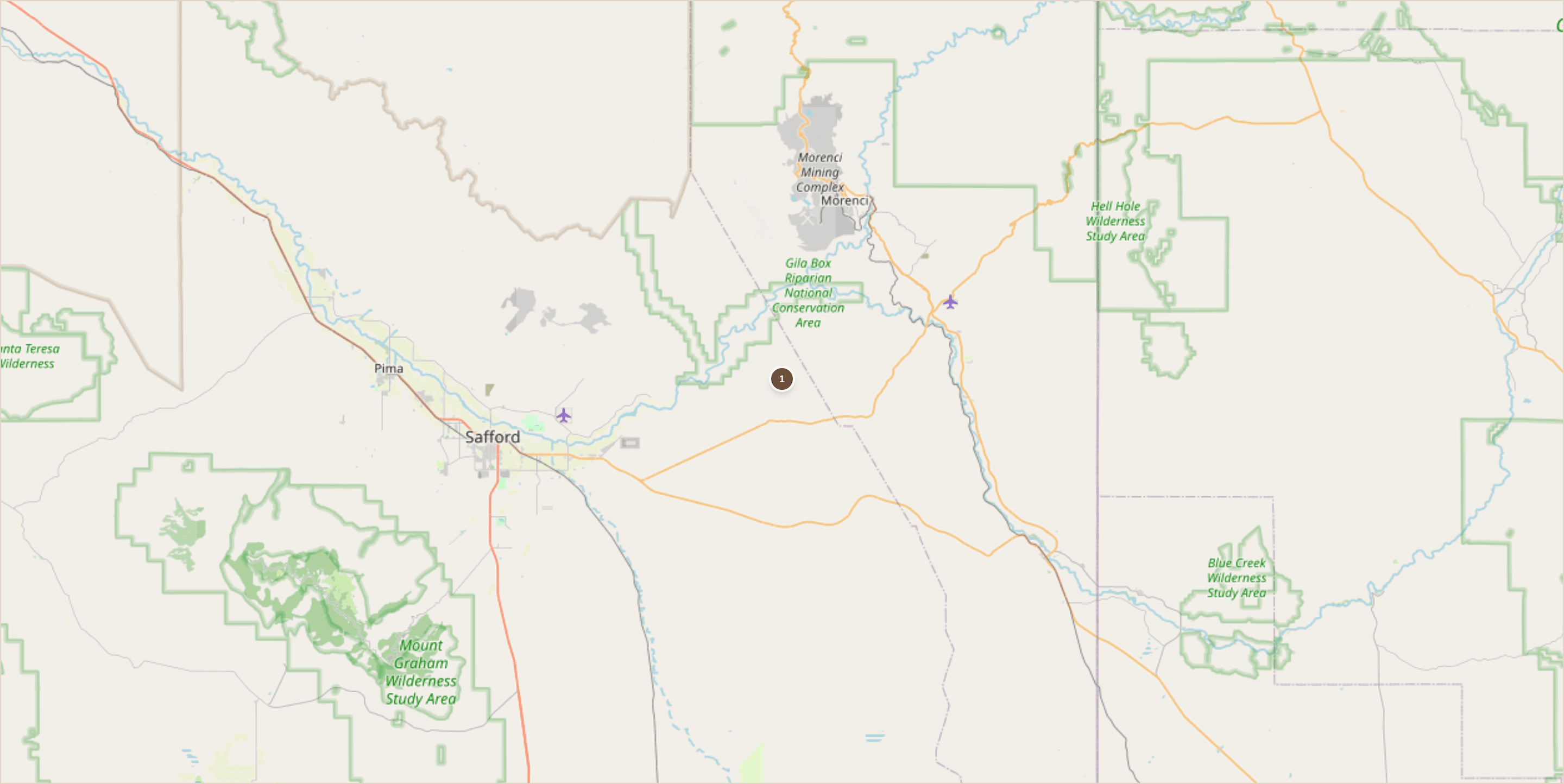
Arizona
ModerateBlack Hills Rockhound Area
BLM-managed fire agate area near Safford and one of the clearest public rockhounding stops in Arizona. Best treated as a deliberate desert field day rather than a quick roadside stop.
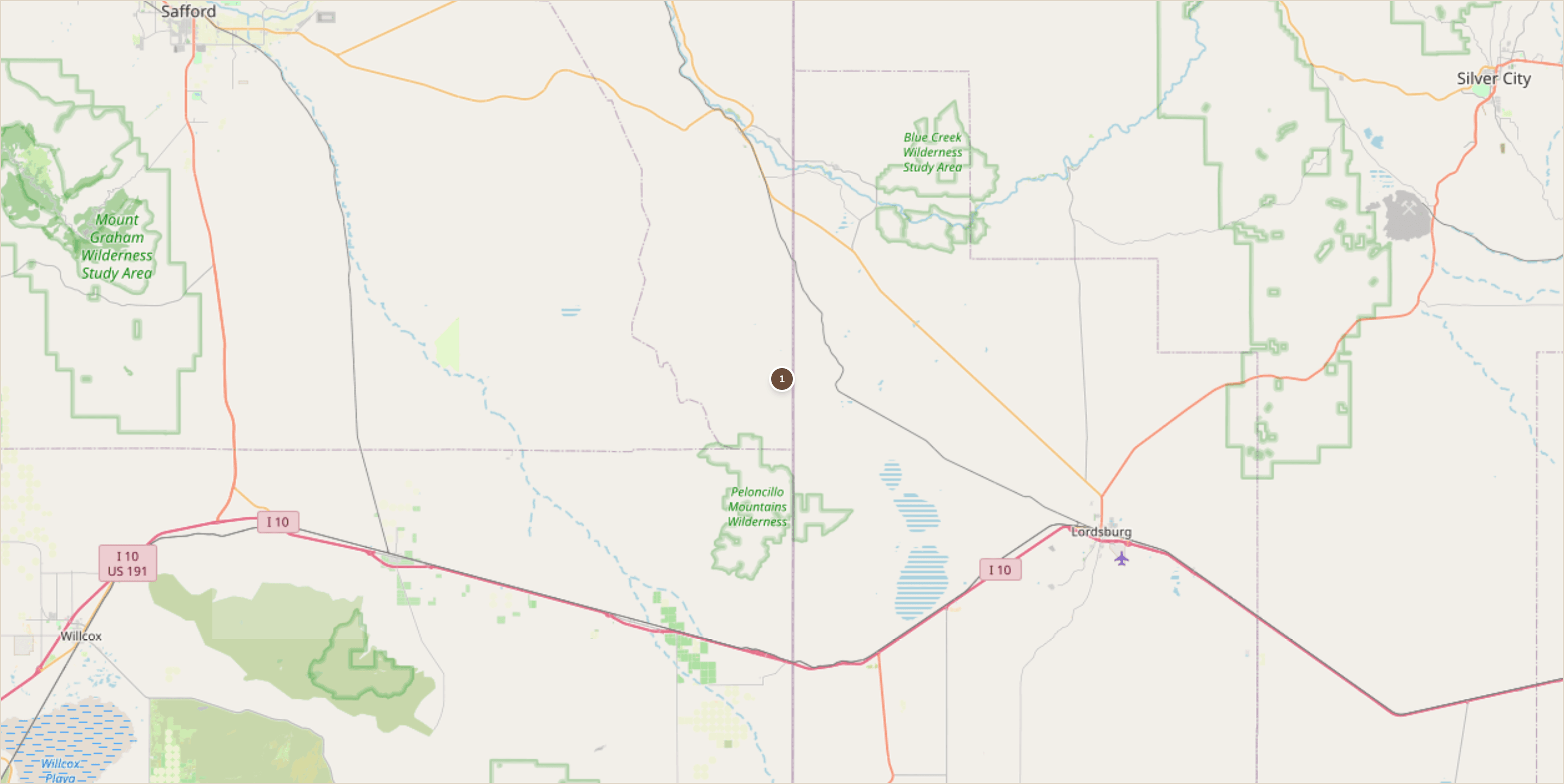
Arizona
ModerateRound Mountain Rockhound Area
Second major BLM fire agate area in Arizona's Safford district. More remote than Black Hills and better planned as its own collecting day.
Your next step
Now that you know fire agate, here’s the logical next move.
Recommended next step
See where to find fire agate in the field
2 documented sites with GPS coordinates, access info, and collecting tips.
Sources & References
- "Dragon's Eye" Fire Agate — GIA
- Fire Agate: Spectacular iridescent color in brown agate — Geology.com