
Table of Contents
Thunder eggs sit in the same beginner mental bucket as geodes, but the distinction matters. They are rhyolitic nodules, often with agate, chalcedony, jasper, or quartz-rich interiors, not just generic hollow rocks.
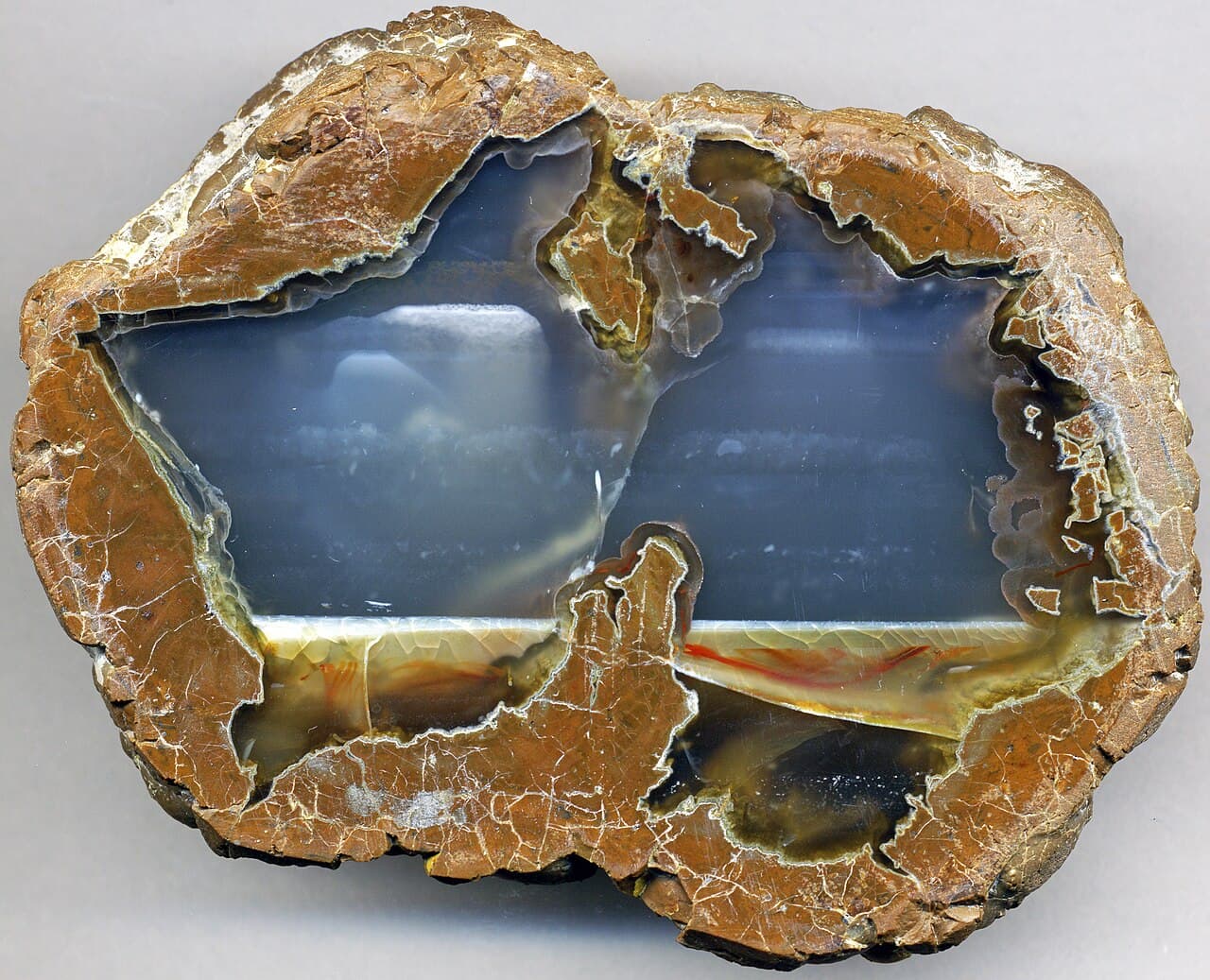
Collectors care because the outer rind can look plain while the cut interior reveals striking patterns. The fun is in the contrast between ordinary-looking rough and the inside story.
Appearance & Identification
- Host context: Thunder eggs are tied to rhyolitic volcanic environments.
- Exterior: The outside is usually weathered and plain, often not obviously different from other nodules.
- Interior: Cut surfaces may reveal agate, chalcedony, quartz, jasper-like fill, or patterned seams.
- Structure: Many are more solid than classic geodes even when they share the surprise-inside appeal.
How Thunder Eggs Form
Thunder eggs form in rhyolite where gas cavities, shrinkage structures, or nodular growth zones later fill with silica-rich material such as chalcedony, quartz, and jasper-like phases.
Because the exact fill varies, no single mineral defines them. The nodule structure and volcanic host rock are the unifying features.
Where Thunder Eggs Are Found
Thunder eggs are famous in volcanic terrains, especially in the American West. Oregon is classically associated with them, but rhyolitic nodule localities exist elsewhere too.
On this site, Arizona's Diamond Point page is the important internal context because it connects thunder egg language to a real quartz-collecting landscape rather than just lapidary shop material.
Lookalikes & Similar Material
Collectors most often confuse thunder eggs with geodes or with any random silica-rich nodule. The rhyolite setting and structural style are what make the term useful.
| Mineral | How to tell it apart from thunder eggs |
|---|---|
| Geodes | Thunder eggs form as rhyolitic nodules and are often more solid than classic hollow geodes. |
| Jasper | Jasper can occur inside thunder eggs, but the thunder egg is the whole rhyolite-hosted nodule structure. |
| Chalcedony | Chalcedony is a common interior material, but it is not the same thing as the outer nodule itself. |
Collecting Tips
- Do not expect every promising nodule to be hollow like a classic geode.
- Pay attention to volcanic host rock and district history before naming finds.
- If cutting is legal and appropriate, interior structure often tells the story better than the exterior.
Before you go collecting…
Most beginners head out without knowing the basics. Our beginner’s guide covers gear, safety, and the field tests that’ll help you identify what you find.
Frequently Asked Questions
Not exactly. They are related collector concepts, but thunder eggs are typically rhyolitic nodules with a different structural setting.
No. Many are partly or mostly solid, with patterned silica-rich interiors instead of open cavities.
Arizona's Diamond Point context is the main internal reference because the area mentions thunder eggs alongside quartz collecting.
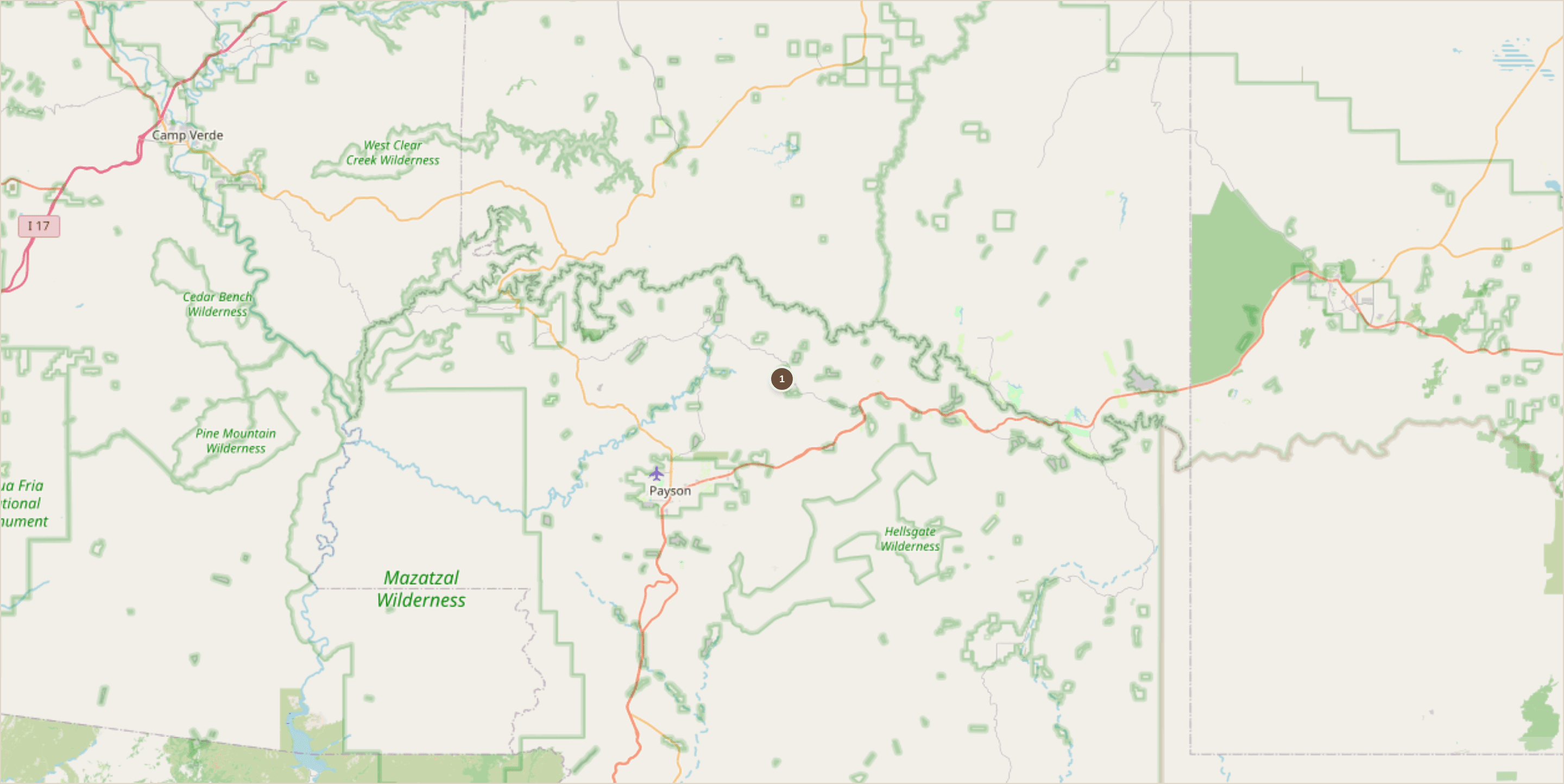
Where to find thunder eggs
Sites where thunder eggs has been documented by our field team.
Your next step
Now that you know thunder eggs, here’s the logical next move.
Recommended next step
See where to find thunder eggs in the field
1 documented sites with GPS coordinates, access info, and collecting tips.
Sources & References
- Thunder Eggs — Oregon Encyclopedia