
Table of Contents
Schist matters to collectors because it is one of the clearest metamorphic host-rock signals in the field. A mica-rich, foliated rock can tell you a lot about pressure, temperature, and the kinds of accessory minerals you might reasonably expect nearby.
The key idea is schistosity. Once you understand that aligned, flaky fabric, schist becomes much easier to separate from both granite and banded gneiss.
Appearance & Identification
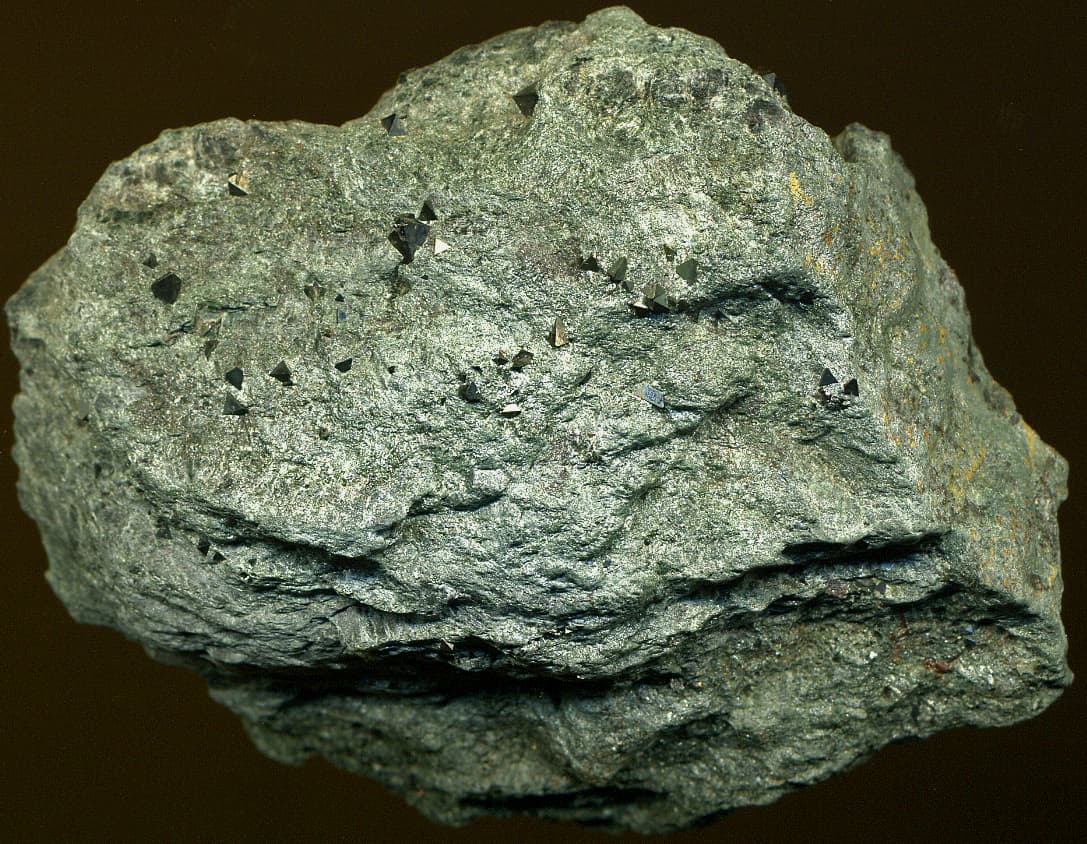
- Foliation: Schist splits or shows strong planar alignment because platy minerals are oriented in the rock.
- Minerals: Mica is common, often with quartz, garnet, kyanite, or amphibole depending on the rock.
- Texture: The rock is usually medium to coarse enough for individual mineral grains to be visible.
- Appearance: Many schists have a sparkly sheen from mica-rich surfaces.
How Schist Forms
Schist forms during metamorphism when pressure and temperature reorganize existing minerals into a strongly foliated fabric. Micas and other elongate minerals line up, creating the characteristic texture.
That metamorphic history is why schist is often tied to mineral assemblages collectors care about even when the bulk rock itself is not the trophy specimen.
Where Schist Is Found
Schist occurs in mountain belts and metamorphic terranes around the world, especially where regional metamorphism has been intense enough to align minerals clearly.
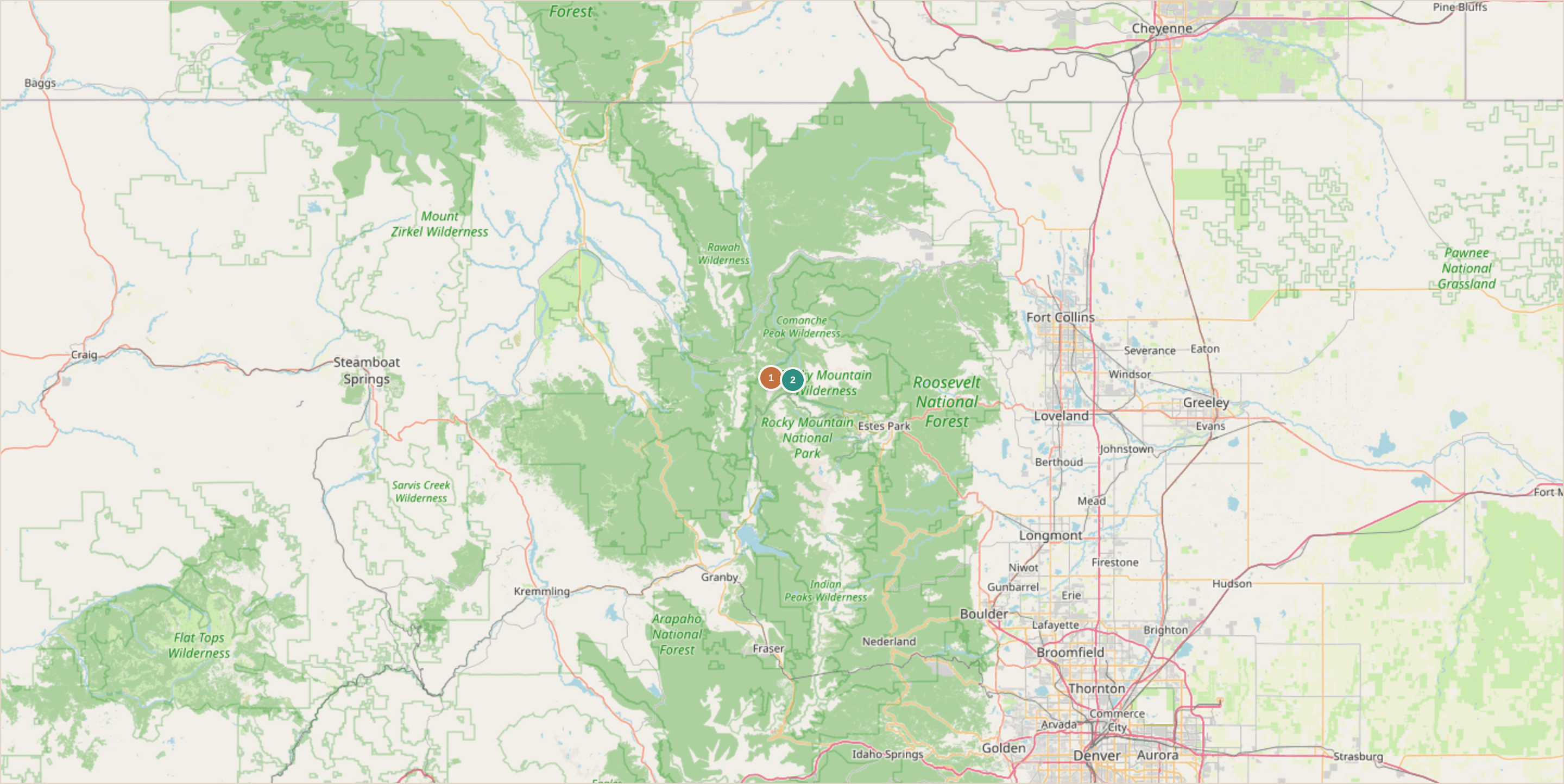
On this site, Colorado is the main context because schist and related metamorphic rocks help explain the broader host-rock story around mountain localities such as Specimen Mountain.
Lookalikes & Similar Material
Confusion usually comes from mixing up schist with gneiss or simply calling every sparkly rock mica-rich granite. Foliation style is the deciding feature.
| Mineral | How to tell it apart from schist |
|---|---|
| Gneiss | Gneiss is more compositionally banded, while schist is more strongly foliated and flaky. |
| Granite | Granite is massive and interlocking, not mica-rich and schistose. |
| Kyanite | Kyanite may occur within schist, but schist is the whole foliated rock rather than one mineral species. |
Collector Context
- Use schist as a clue to metamorphic conditions rather than as a generic sparkly-rock label.
- Watch for accessory metamorphic minerals in schist-rich exposures.
- Distinguish flaky foliation from true banding before deciding between schist and gneiss.
Before you go collecting…
Most beginners head out without knowing the basics. Our beginner’s guide covers gear, safety, and the field tests that’ll help you identify what you find.
Frequently Asked Questions
No. Schist is a foliated metamorphic rock composed of multiple minerals.
Its aligned mica-rich fabric often gives it a sparkly, flaky appearance.
Schist can host or indicate metamorphic minerals such as garnet, kyanite, and staurolite.
Where to find schist
Sites where schist has been documented by our field team.
Your next step
Now that you know schist, here’s the logical next move.
Recommended next step
See where to find schist in the field
1 documented sites with GPS coordinates, access info, and collecting tips.
Sources & References
- Metamorphic Rocks — USGS