
Table of Contents
Granite matters to collectors less as a glamour specimen and more as geological context. If you understand granite, you understand why quartz veins, pegmatites, feldspar-rich pockets, and mica-rich zones tend to show up where they do.
That is why granite deserves its own page even though it is not a single mineral. It is one of the most useful host-rock concepts in beginner field geology.
Appearance & Identification
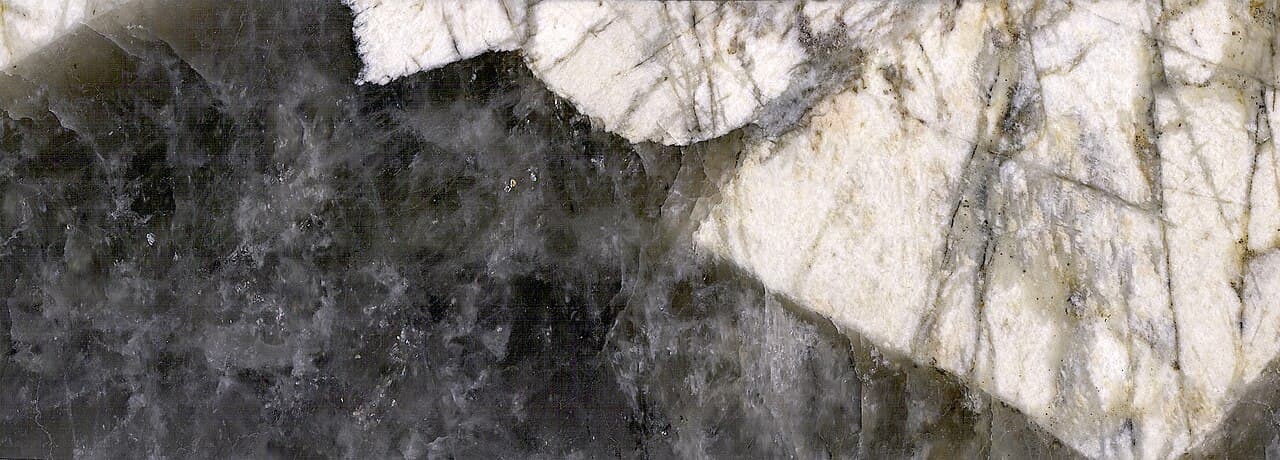
- Grain size: Granite is coarse grained, with mineral crystals visible to the naked eye.
- Composition: Quartz and feldspar dominate, with mica or amphibole commonly present.
- Texture: The rock is typically massive and interlocking rather than layered or strongly foliated.
- Color: Common patterns include pink, gray, white, and black mineral mixes.
How Granite Forms
Granite forms slowly from silica-rich magma cooling beneath the surface. The slow cooling is what allows its visible interlocking crystals to develop.
Because granite represents intrusive igneous activity, it commonly sits near systems that later produce veins, pegmatites, and hydrothermal mineralization important to collectors.
Where Granite Is Found
Granite is widespread in continental crust and appears in mountain belts, batholiths, and exposed intrusive terranes around the world.
On this site, Colorado provides a useful field context because granitic and metamorphic host-rock thinking helps explain why surrounding mineral and crystal localities look the way they do.
Lookalikes & Similar Material
The main field confusion is with metamorphic rocks such as gneiss and schist that may contain similar minerals but tell a different geological story.
| Mineral | How to tell it apart from granite |
|---|---|
| Gneiss | Gneiss may share similar minerals, but it shows metamorphic banding rather than granite's massive intrusive texture. |
| Schist | Schist is more strongly foliated and flaky, whereas granite is massive and interlocking. |
| Quartz | Quartz is one component of many granites, but granite is a whole rock made of several minerals. |
Collector Context
- Read granite as environmental context, not just as a specimen label.
- Look for pegmatites, veins, or altered zones near granite rather than only breaking fresh granite blindly.
- Use texture and lack of strong foliation to separate granite from banded or flaky metamorphic lookalikes.
Before you go collecting…
Most beginners head out without knowing the basics. Our beginner’s guide covers gear, safety, and the field tests that’ll help you identify what you find.
Frequently Asked Questions
No. Granite is a rock made of multiple minerals, usually quartz, feldspar, and mica.
Granite often signals intrusive environments tied to pegmatites, veins, and other crystal-bearing features.
Yes, but collectors often focus more on pockets, pegmatites, or veins associated with granitic systems than on the bulk granite itself.
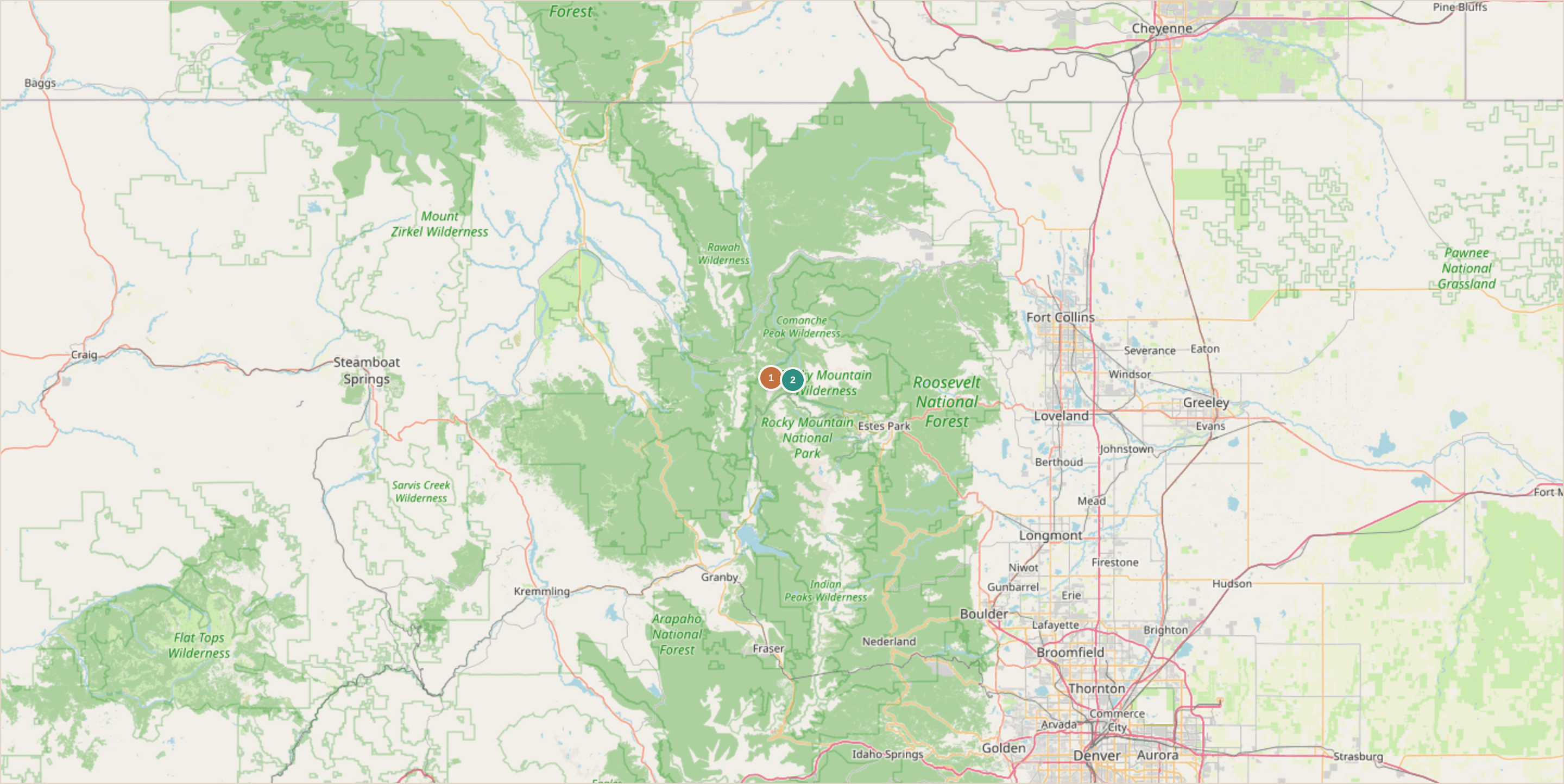
Where to find granite
Sites where granite has been documented by our field team.
Your next step
Now that you know granite, here’s the logical next move.
Recommended next step
See where to find granite in the field
1 documented sites with GPS coordinates, access info, and collecting tips.
Sources & References
- Granite — USGS