
Table of Contents
Gneiss is one of the most useful field-interpretation rocks for collectors because it signals strong metamorphism. Even if you are not taking the gneiss home, understanding it helps you read the local geology more accurately.
The key feature is banding. Gneiss is not just 'granite that looks striped.' The banding reflects mineral segregation during metamorphism, and that story matters for everything around it.
Appearance & Identification
- Banding: Alternating light and dark mineral layers or streaks are the strongest clue.
- Texture: Gneiss is generally coarse enough for major minerals to be visible.
- Minerals: Quartz, feldspar, mica, amphibole, and garnet may all appear depending on the rock.
- Foliation style: The fabric is more banded than flaky compared with schist.
How Gneiss Forms
Gneiss forms when pre-existing rock undergoes high-grade metamorphism under elevated temperature and pressure. During that process, minerals recrystallize and segregate into bands.
The parent rock can be igneous or sedimentary, which is why gneiss can preserve a broad mineral mix while still developing a distinctly metamorphic texture.
Where Gneiss Is Found
Gneiss is common in old continental crust, mountain roots, and high-grade metamorphic terranes exposed by uplift and erosion.
On this site, Colorado is a useful reference because gneiss and related metamorphic host rocks help explain the broader mineral context around mountainous collecting terrain.
Lookalikes & Similar Material
The usual confusion is with granite on one side and schist on the other. Texture and foliation style are what separate them.
| Mineral | How to tell it apart from gneiss |
|---|---|
| Granite | Granite may contain similar minerals, but it lacks the metamorphic banding that defines gneiss. |
| Schist | Schist is more flaky and micaceous, while gneiss usually shows coarser compositional banding. |
| Feldspar | Feldspar is often a major part of gneiss, but the rock itself is a multi-mineral metamorphic aggregate. |
Collector Context
- Use gneiss as a clue to metamorphic history rather than as a generic striped rock label.
- Look for associated veins, pegmatites, or metamorphic minerals in gneiss-rich areas.
- Separate banded gneiss from flaky schist before drawing conclusions about the district.
Before you go collecting…
Most beginners head out without knowing the basics. Our beginner’s guide covers gear, safety, and the field tests that’ll help you identify what you find.
Frequently Asked Questions
No. Gneiss is a metamorphic rock made of multiple minerals.
Banding or segregation of light and dark minerals is the main clue.
It tells you that the area has undergone strong metamorphism, which affects what minerals and structures may be present nearby.
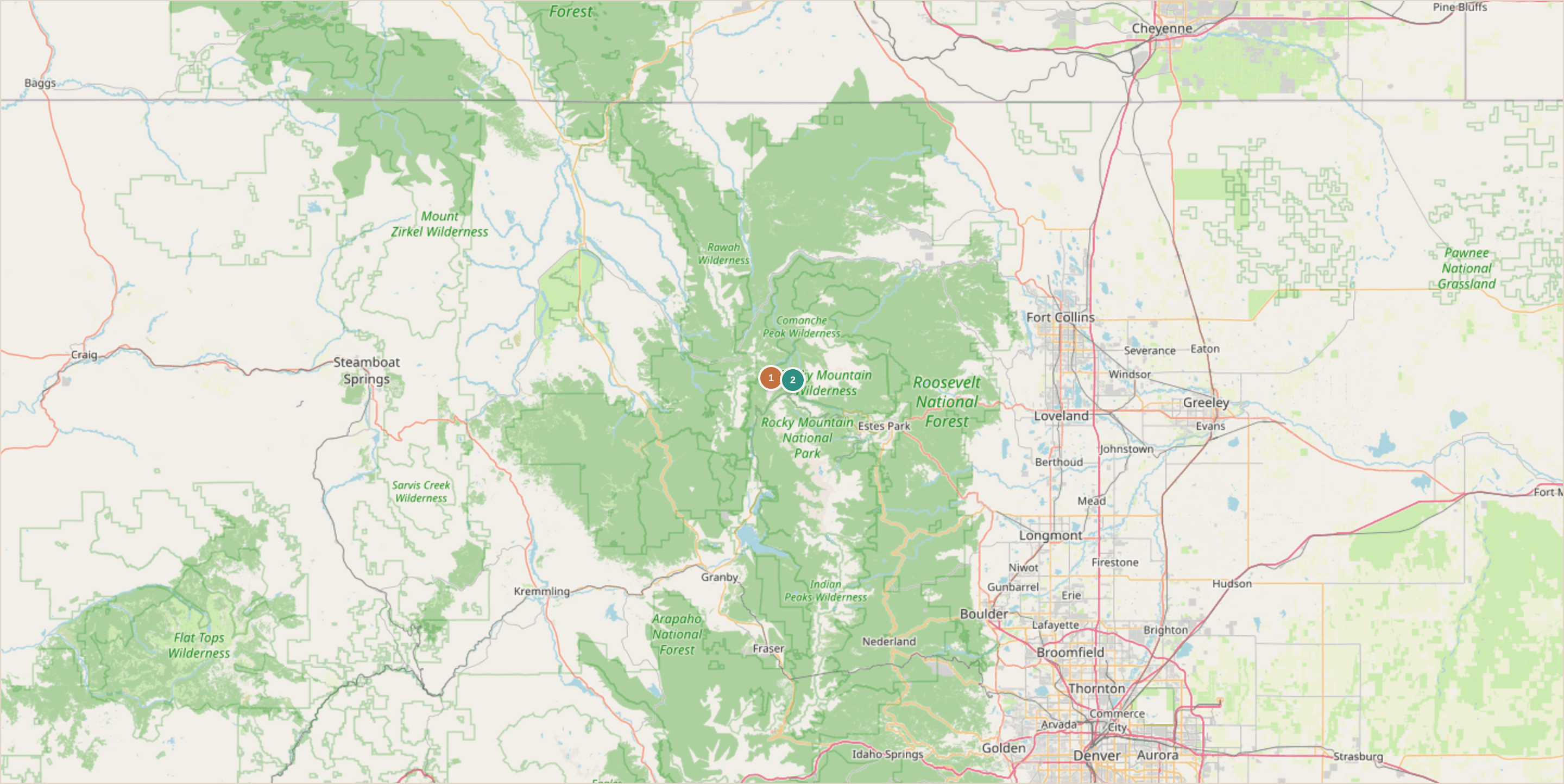
Where to find gneiss
Sites where gneiss has been documented by our field team.
Your next step
Now that you know gneiss, here’s the logical next move.
Recommended next step
See where to find gneiss in the field
1 documented sites with GPS coordinates, access info, and collecting tips.
Sources & References
- Metamorphic Rocks — USGS