
Table of Contents
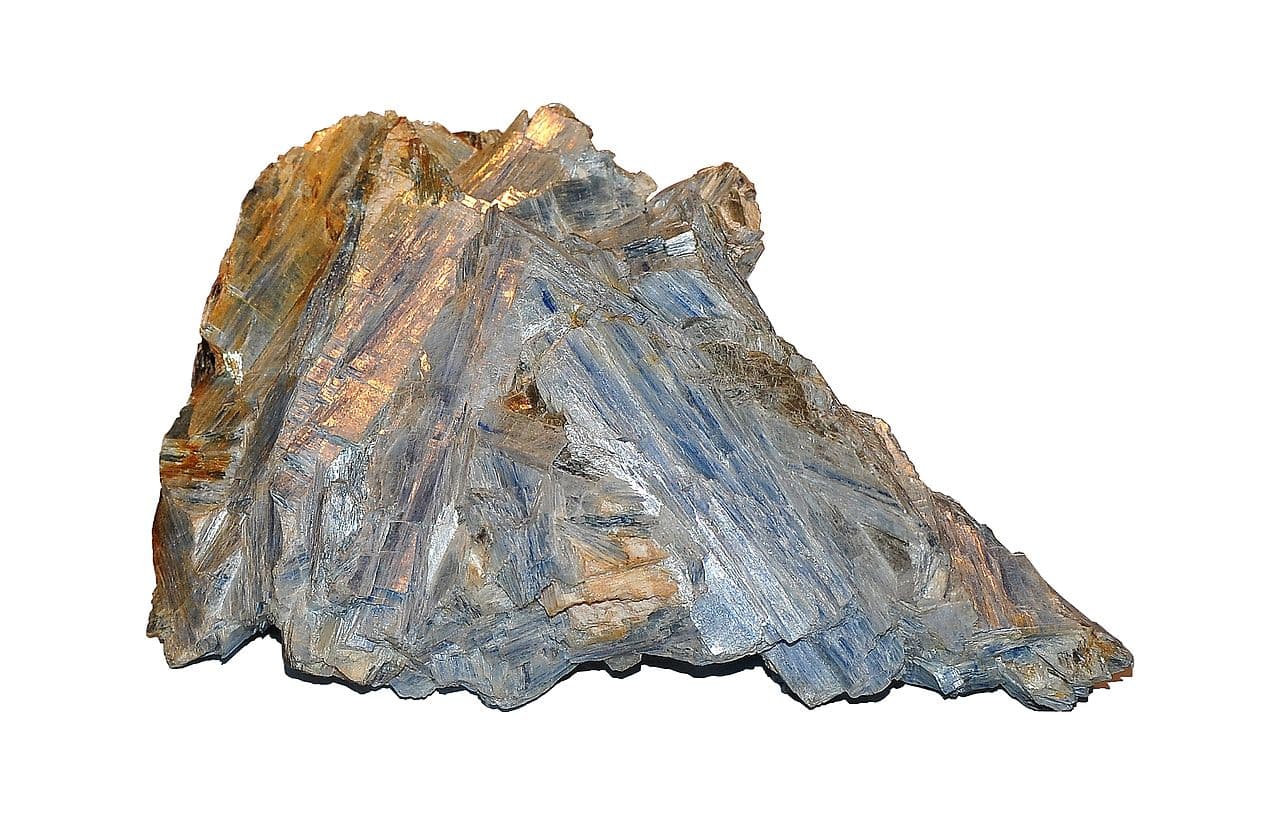
Kyanite is one of the easiest minerals to remember once you have seen a good specimen. The bladed habit is distinctive, and the directional hardness story makes it a standard teaching mineral for a reason.
For collectors, the important correction is that kyanite belongs in metamorphic context. It is not just a pretty blue blade. It is a sign of the pressure-temperature history of the rock around it.
Appearance & Identification
- Habit: Kyanite often forms bladed to elongated crystals, commonly in blue shades.
- Hardness: Its hardness varies by direction, which is unusual and diagnostic.
- Cleavage: Perfect cleavage in one direction helps explain why some blades split cleanly.
- Context: Kyanite is strongly associated with metamorphic rocks such as schist and gneiss.
How Kyanite Forms
Kyanite forms during metamorphism of aluminum-rich rocks under pressure-temperature conditions where the Al₂SiO₅ polymorph stability favors kyanite.
That is why kyanite is more than just a specimen mineral. It is also a useful metamorphic indicator mineral for geologists.
Where Kyanite Is Found
Collectors find kyanite in metamorphic terrains worldwide, especially where schists, gneisses, and quartz-rich metamorphic veins expose bladed crystals.
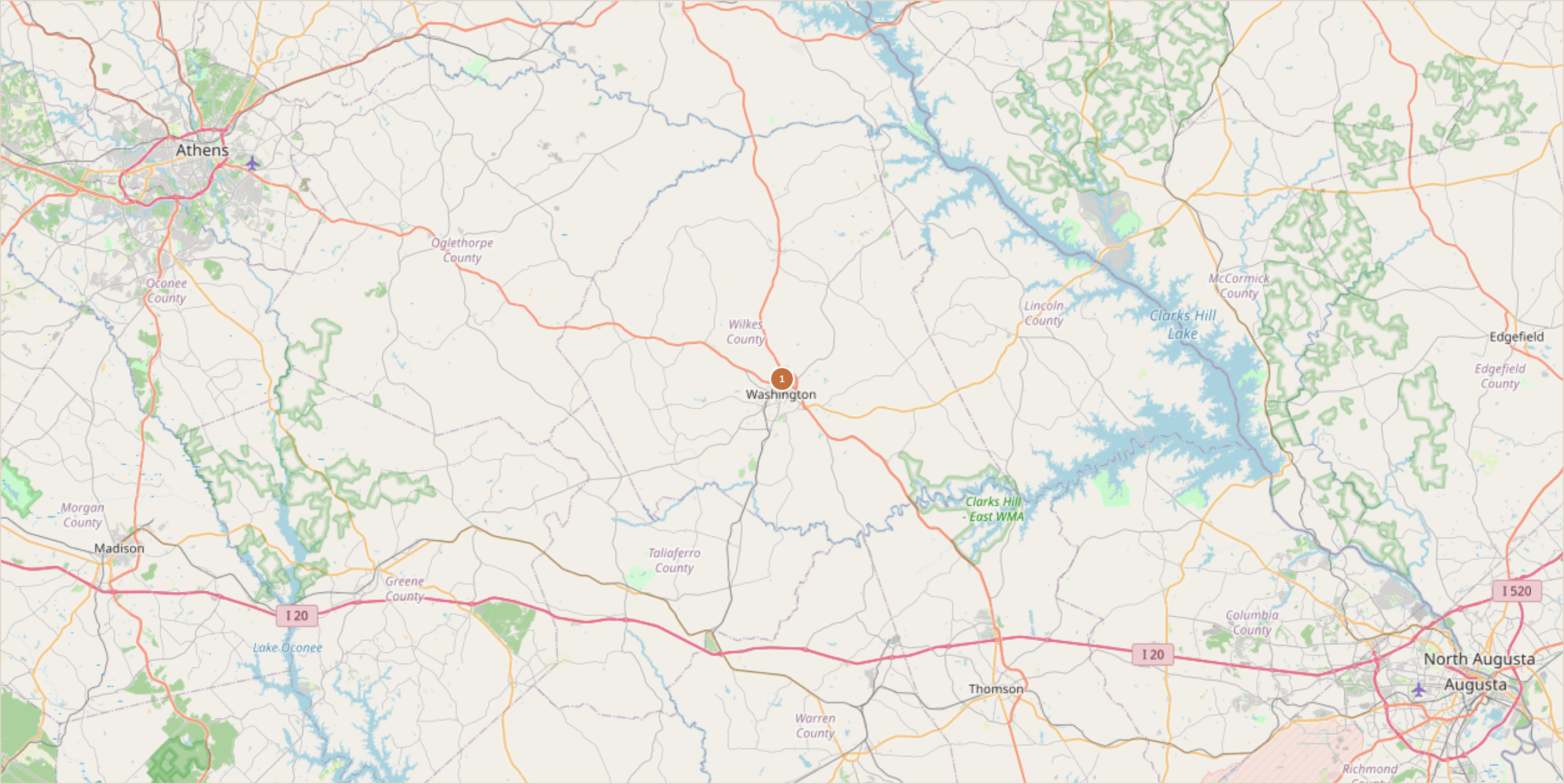
On this site, Georgia's Graves Mountain is the internal reference because kyanite appears there within a very specific district-mineral context rather than as generic blue blades.
Lookalikes & Similar Material
Blue color invites confusion, but kyanite's habit and metamorphic setting keep it distinct when you slow down.
| Mineral | How to tell it apart from kyanite |
|---|---|
| Lazulite | Lazulite can also be blue, but it is a phosphate with different habit and district associations. |
| Schist | Kyanite may occur in schist, but schist is the foliated host rock rather than a single bladed mineral. |
| Topaz | Topaz is harder and not known for kyanite's distinctive bladed habit and directional hardness behavior. |
Collecting Tips
- Use the host rock and metamorphic context as part of the identification.
- Protect elongated blades because cleavage can make them vulnerable to breakage.
- Do not rely on blue color alone when several blue collector minerals may occur in the same district.
Before you go collecting…
Most beginners head out without knowing the basics. Our beginner’s guide covers gear, safety, and the field tests that’ll help you identify what you find.
Frequently Asked Questions
Because hardness changes with direction in the crystal, which is one of kyanite's most distinctive properties.
No. Blue is common, but white, gray, green, and black material also occur.
Georgia's Graves Mountain is the main internal field context.
Where to find kyanite
Sites where kyanite has been documented by our field team.
Your next step
Now that you know kyanite, here’s the logical next move.
Recommended next step
See where to find kyanite in the field
1 documented sites with GPS coordinates, access info, and collecting tips.
Sources & References
- Kyanite — Handbook of Mineralogy