
Table of Contents
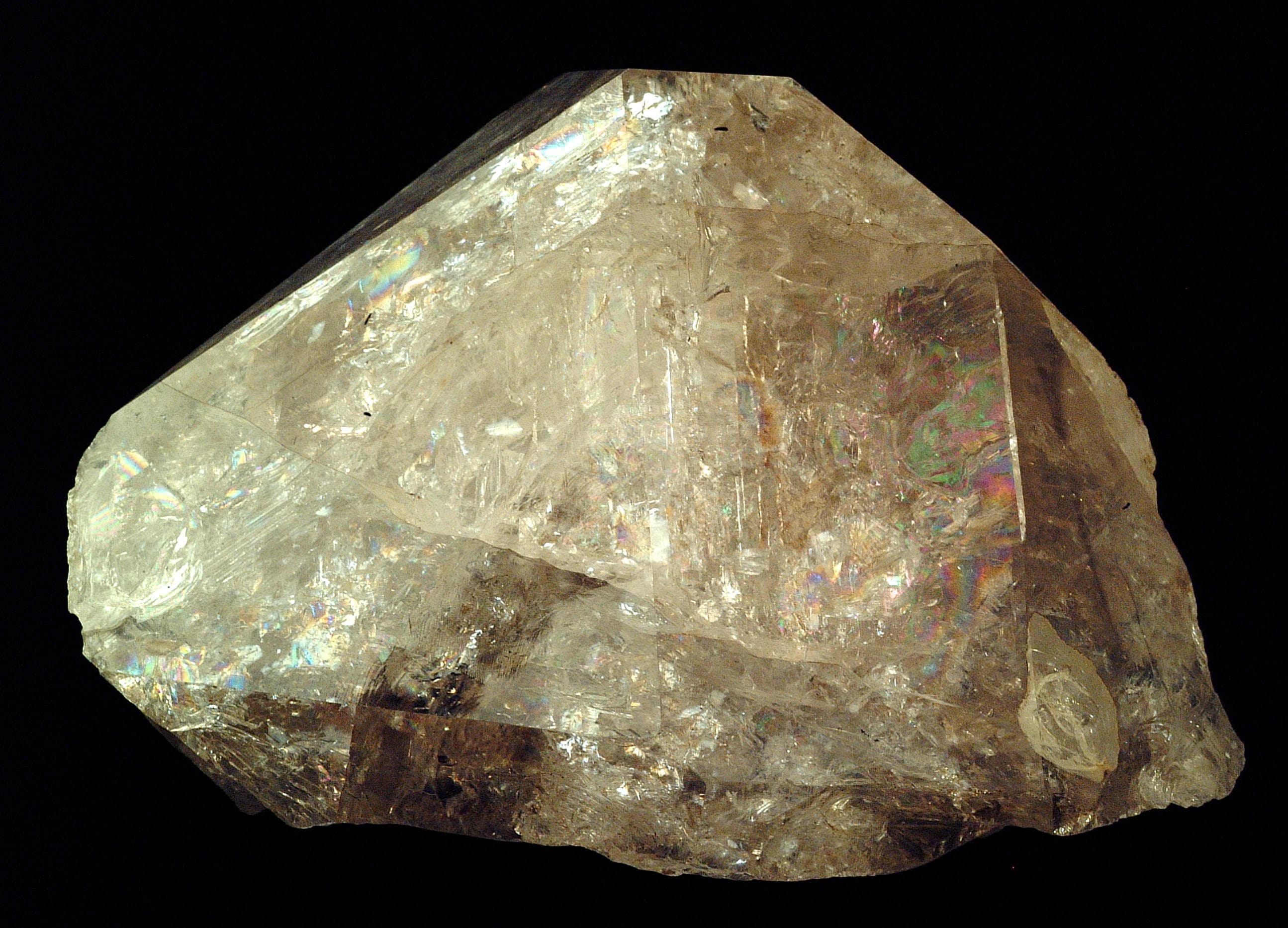
Double-terminated quartz attracts collectors because it looks complete. A crystal that kept natural terminations at both ends tells a growth story that differs from the more common attached-point quartz specimen. The appeal is not only symmetry. It is the evidence that the crystal had enough open space to grow without staying fixed at one end for its whole growth history.
That is why the page deserves its own scope from other quartz collector terms. A cluster is about many intergrown crystals. Matrix crystals are about attachment to host rock. Double-terminated quartz is about genuine natural crystal terminations on both ends of a single crystal.
Appearance & Identification
The key idea is simple: both ends should show natural crystal termination, not one good point and one obvious broken base. The mineral is still quartz, so hardness and lack of cleavage do not change. The real challenge is geometry. You are judging whether both ends preserve natural crystal faces instead of one end being a break that merely looks neat at a glance.
How The Habit Forms
This habit forms when the crystal grows suspended or otherwise free enough in open space that neither end is locked to a wall for the whole growth history. That is why vugs, cavities, and some pocket conditions matter so much. Open-space growth is the key mineralogical idea behind the habit.
A crystal can still show contact damage or later breakage, but the defining feature is that it originally developed natural crystal faces at both ends. That is different from a normal quartz point that was simply snapped loose from matrix.
Natural vs Broken Ends
The most common mistake is wishful thinking. A crystal with one attractive point and one broken base is still a nice quartz crystal, but it is not double-terminated. The second end needs to be naturally formed. Repeated crystal faces, sensible taper, and undisturbed luster usually argue for a natural termination. A bright conchoidal break, crushed edge, or obviously freed attachment surface argues against it.
This is where collectors should slow down. Double-terminated quartz gets overcalled because people want the specimen to be more special than it really is. Honest grading matters more than optimistic labeling.
Collecting Tips
- Protect both ends immediately after extraction.
- Do not assume symmetry if the base was obviously freed from matrix.
- Judge damage honestly; a chipped end changes the specimen class.
- Look for repeated natural crystal faces before calling the second end real.
- Remember that open-space growth explains the habit better than “nice shape” alone.
Before you go collecting…
Most beginners head out without knowing the basics. Our beginner’s guide covers gear, safety, and the field tests that’ll help you identify what you find.
Frequently Asked Questions
It kept a natural crystal termination on both ends instead of growing attached by one end to a matrix wall or fracture surface.
Yes. That is why collectors inspect whether both ends show natural, repeated crystal faces instead of one clean break or chipped conchoidal end.
Your next step
Now that you know double-terminated quartz, here’s the logical next move.
Recommended next step
Find collecting locations near you
Detailed field guides to rockhounding sites across the country.
Sources & References
- Quartz — Handbook of Mineralogy
- Quartz (GeoDIL number - 935) — Wikimedia Commons