
Table of Contents
Zincite is another mineral whose collector identity is deeply tied to district context. In practice, people usually encounter it as part of the Franklin-Sterling Hill mineral story rather than as a generic oxide found casually in the field.
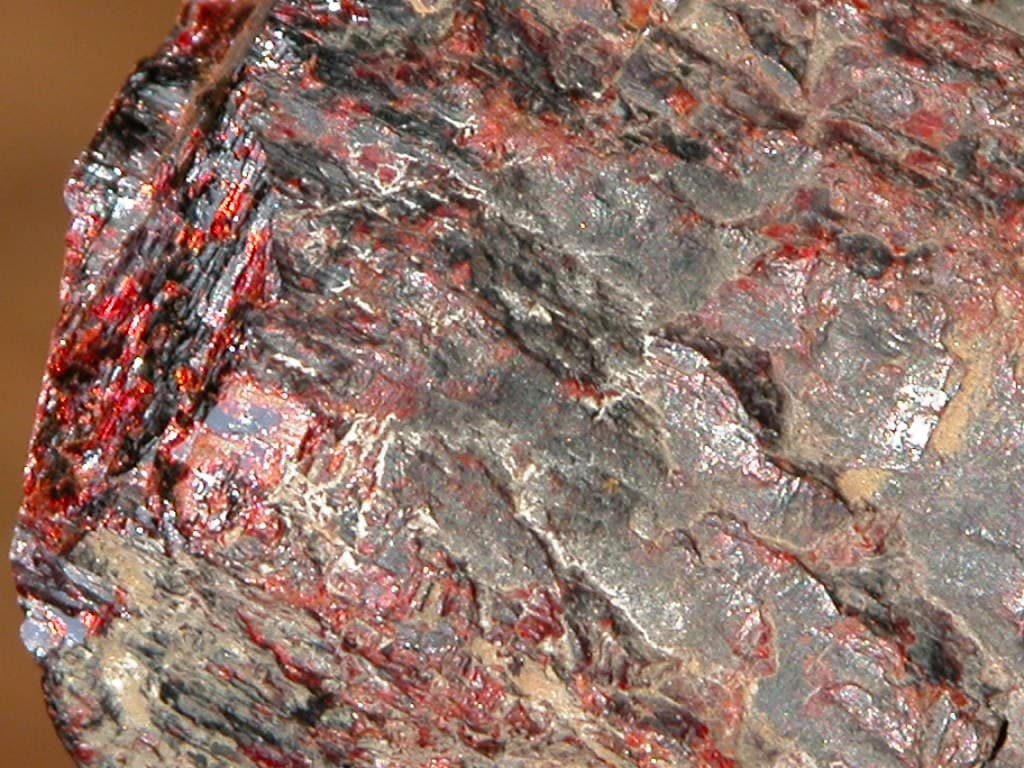
Its red to orange-red color gives it immediate visual appeal, but locality still matters because color alone can be deceptive in mixed ore assemblages.
Appearance & Identification
- Color: Zincite is best known for red to orange-red color.
- Luster: Specimens often show subadamantine to resinous luster rather than the black submetallic look of franklinite.
- Hardness: At hardness 4, zincite is noticeably softer than many silicate collector minerals.
- Context: Franklin-Sterling Hill remains the key practical collector context.
How Zincite Forms
Zincite forms in zinc-rich ore environments and is especially notable in the metamorphosed ore assemblage of the Franklin-Sterling Hill district.
That geological specialization is why zincite remains more of a district mineral and collector mineral than a common field beginner target.
Where Zincite Is Found
Zincite occurs in a limited number of zinc-bearing settings, but the Franklin-Sterling Hill district dominates its collector reputation.
On this site, New Jersey is therefore the defining context rather than a broad nationwide collecting pattern.
Zincite comes out of a district famous for minerals that glow under ultraviolet light — UV light, the kind that makes some rocks shine in the dark. Bring one and you can sort your haul the same evening you collect it. Our guide to choosing a UV flashlight explains the difference between the two main types.
Lookalikes & Similar Material
The usual confusion is with other attractive Franklin minerals or with red mineral fragments stripped of locality data.
| Mineral | How to tell it apart from zincite |
|---|---|
| Franklinite | Franklinite is black and submetallic rather than red and resinous. |
| Willemite | Willemite is usually lighter or greener and is better known for fluorescence than for deep red body color. |
| Garnet | Red garnet can overlap in color, but it differs in crystal form, hardness, and mineral family. |
Collecting Tips
- Keep locality information with zincite specimens whenever possible.
- Use associated Franklin minerals to strengthen identification confidence.
- Handle softer pieces carefully because zincite is not especially hard.
Before you go collecting…
Most beginners head out without knowing the basics. Our beginner’s guide covers gear, safety, and the field tests that’ll help you identify what you find.
Frequently Asked Questions
Because the Franklin-Sterling Hill district is the most famous and collector-relevant context for zincite in the United States.
Collector-quality zincite is not a routine beginner field mineral, which is why locality matters.
Its red to orange-red color is the fastest first clue in the right district context.
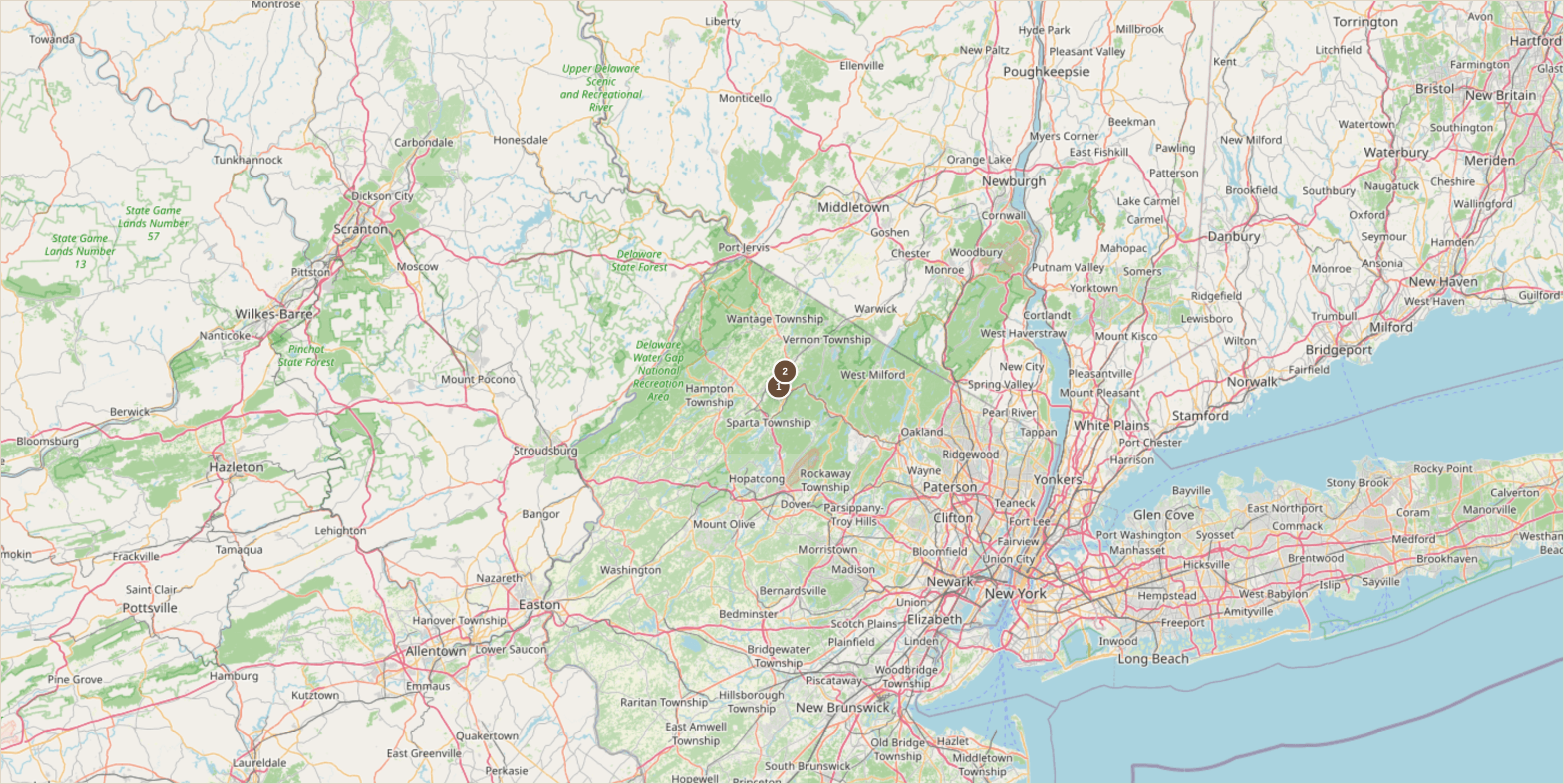
Where to find zincite
Sites where zincite has been documented by our field team.
Your next step
Now that you know zincite, here’s the logical next move.
Recommended next step
See where to find zincite in the field
1 documented sites with GPS coordinates, access info, and collecting tips.
Sources & References
- Franklin Mineral Museum — Franklin Mineral Museum
- Zincite — Handbook of Mineralogy