
Table of Contents
Franklinite is one of those minerals whose collector identity is inseparable from place. Outside the Franklin-Sterling Hill story it is still a real mineral, but inside that district it becomes part of one of the most famous American mineral assemblages.
That district context matters because franklinite is rarely a beginner stand-alone ID based on glamour alone. It is a dark ore mineral whose importance grows when you understand what else occurs with it.
Appearance & Identification
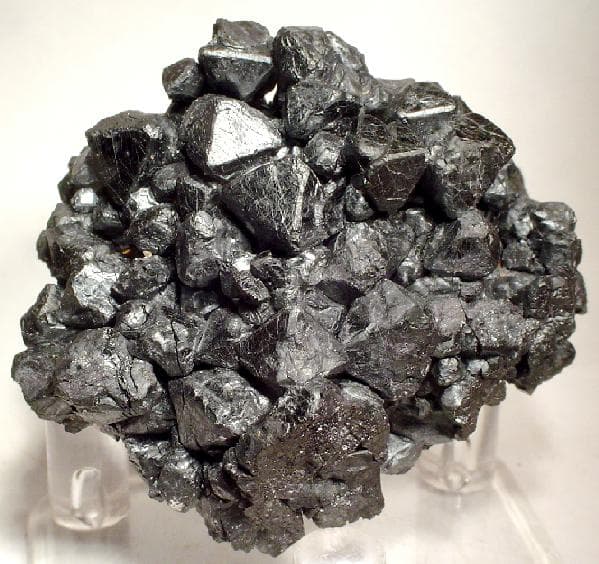
- Color: Franklinite is black to brownish black and usually lacks the bright color collectors chase in nearby zincite or willemite.
- Luster: It commonly shows submetallic to metallic luster on fresher surfaces.
- Streak: A reddish-brown streak is useful when it can be checked safely and appropriately.
- Context: The Franklin district association is one of the strongest identification clues collectors have.
How Franklinite Forms
Franklinite formed in the unusual zinc-rich metamorphosed ore bodies of the Franklin-Sterling Hill district. That setting is what makes the assemblage globally distinctive.
Collectors care because franklinite helps anchor the paragenesis of a district that also produced famous fluorescent minerals and unusual zinc-bearing species.
Where Franklinite Is Found
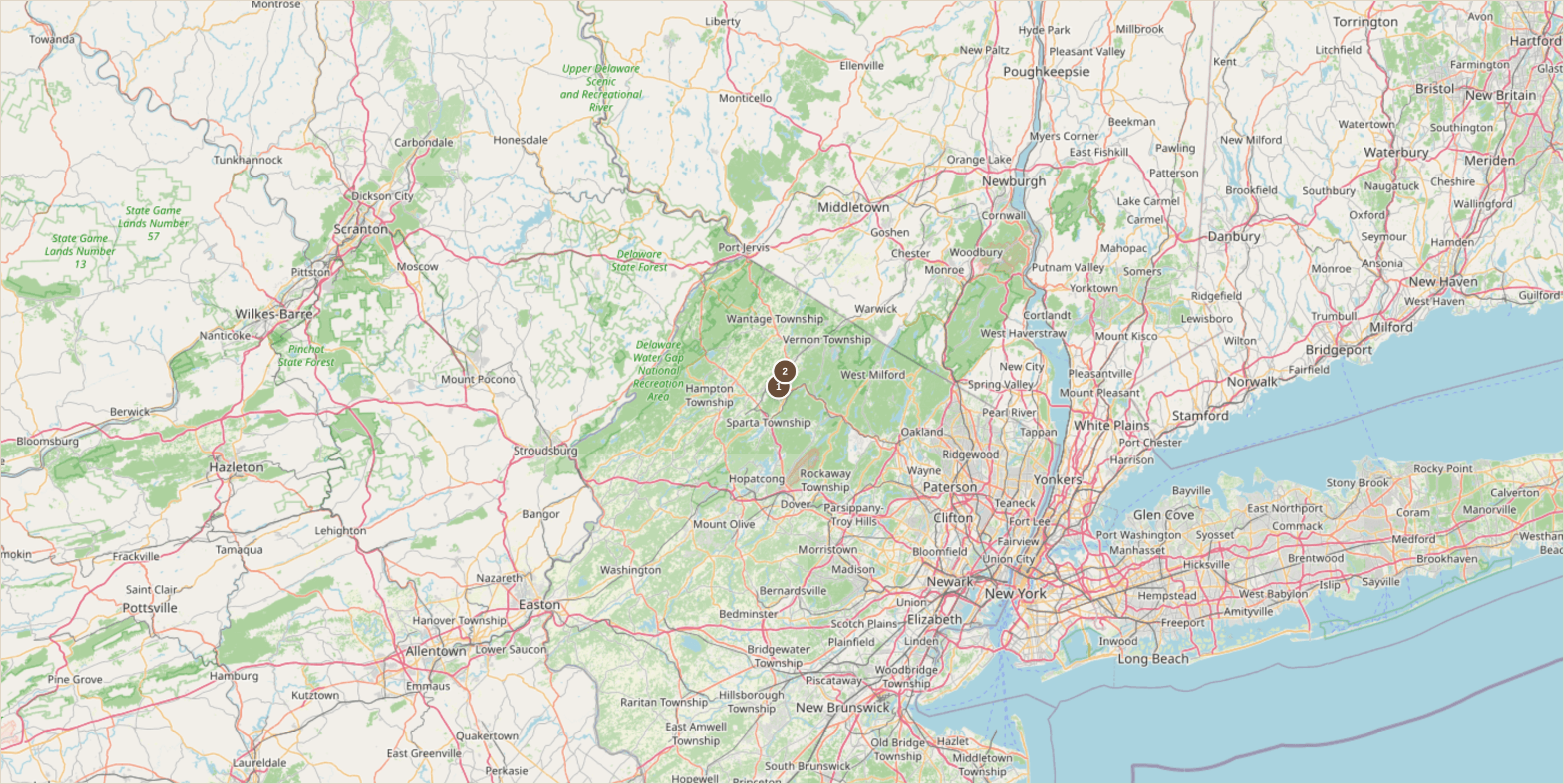
Franklinite is best known from New Jersey's Franklin and Sterling Hill district, which dominates the mineral's collector identity in the United States.
On this site, New Jersey is the essential field reference because the Franklin page is built around exactly this district-mineral logic rather than vague statewide filler.
Franklinite itself is not the mineral people remember for glowing. The ones sitting right next to it in the rock often are, especially willemite. That is why collectors here carry an ultraviolet light — a UV light, which makes certain minerals shine in the dark. If you are heading to this district, our UV light buying guide covers which type actually works on Franklin material.
Lookalikes & Similar Material
Without the district context, franklinite can be mistaken for other dark ore minerals. The associated minerals and locality story narrow the field quickly.
| Mineral | How to tell it apart from franklinite |
|---|---|
| Willemite | Willemite is a silicate and is commonly greenish or fluorescent rather than the dark submetallic look of franklinite. |
| Zincite | Zincite is typically red to orange-red rather than black. |
| Pyrite | Pyrite is brass-yellow and sulfide-based, not a black zinc-iron oxide. |
Collecting Tips
- Use associated minerals and locality information heavily when labeling franklinite.
- Do not expect visual drama from color alone; much of the interest is contextual and assemblage-based.
- If you collect fluorescent material from Franklin, keep matrix and associations because they strengthen the specimen story.
Before you go collecting…
Most beginners head out without knowing the basics. Our beginner’s guide covers gear, safety, and the field tests that’ll help you identify what you find.
Frequently Asked Questions
The Franklin-Sterling Hill district is the classic collector context for franklinite and related fluorescent minerals.
Franklinite itself is better known as part of the district assemblage; the strongest fluorescence attention often goes to associated minerals such as willemite.
A black, submetallic oxide appearance in the right Franklin district context is the cleanest starting point.
Where to find franklinite
Sites where franklinite has been documented by our field team.
Your next step
Now that you know franklinite, here’s the logical next move.
Recommended next step
See where to find franklinite in the field
1 documented sites with GPS coordinates, access info, and collecting tips.
Sources & References
- Franklin Mineral Museum — Franklin Mineral Museum
- Franklinite — Handbook of Mineralogy