
Table of Contents
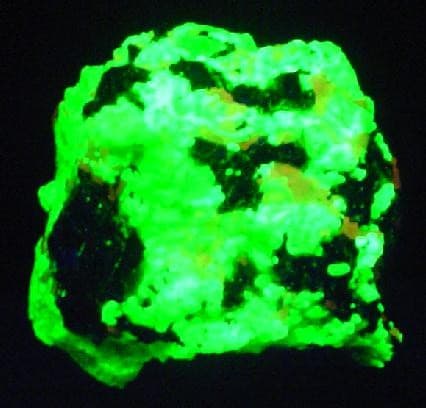
Willemite is one of the classic fluorescent collector minerals in the United States, and much of that identity comes straight from the Franklin-Sterling Hill district of New Jersey.
Outside of UV conversations, willemite can look more understated than beginners expect. That is why context and fluorescence matter so much for how collectors talk about it.
Appearance & Identification
- Fluorescence: Strong green fluorescence under UV light is the most famous collector trait.
- Color: In normal light, willemite may be colorless, pale, yellowish, brownish, or greenish rather than dramatically bright.
- Luster: Fresh material may show vitreous to slightly subadamantine luster.
- Context: The Franklin district assemblage is central to real-world collector identification.
How Willemite Forms
Willemite forms in zinc-rich environments and is especially important in the metamorphosed ore assemblages of the Franklin-Sterling Hill district.
That association with unusual zinc mineralization is why collector discussions of willemite are often inseparable from district mineralogy and fluorescence culture.
Where Willemite Is Found
Willemite occurs in several zinc-related settings worldwide, but the New Jersey district dominates its collector reputation in the United States.
On this site, New Jersey is the obvious internal anchor because Franklin Mines is the location page where willemite belongs naturally in both the mineral and fluorescent collecting conversation.
Willemite is one of the minerals people buy a UV light for in the first place. UV is ultraviolet light — the invisible light that makes some minerals glow in the dark. The wavelength you pick changes what you see, so it is worth getting right before you spend anything. We walk through that choice in picking a UV light for mineral hunting.
Lookalikes & Similar Material
Willemite confusion usually happens inside the fluorescent-mineral world rather than among ordinary hand-specimen lookalikes.
| Mineral | How to tell it apart from willemite |
|---|---|
| Franklinite | Franklinite is black and submetallic, while willemite is typically lighter and better known for fluorescence. |
| Zincite | Zincite is typically red to orange-red, not the usual willemite presentation. |
| Fluorite | Fluorite can fluoresce too, but it differs in hardness, cleavage, and overall mineral context. |
Collecting Tips
- Record UV response and locality together when labeling willemite specimens.
- Keep associated Franklin minerals in the specimen whenever possible.
- Do not judge willemite only under room light if fluorescence is part of why the piece matters.
Before you go collecting…
Most beginners head out without knowing the basics. Our beginner’s guide covers gear, safety, and the field tests that’ll help you identify what you find.
Frequently Asked Questions
Collectors know it especially for strong green fluorescence under UV light, particularly from the Franklin district.
Fluorescence can vary, but the fluorescent association is a major part of collector interest.
New Jersey's Franklin Mines page is the key context.
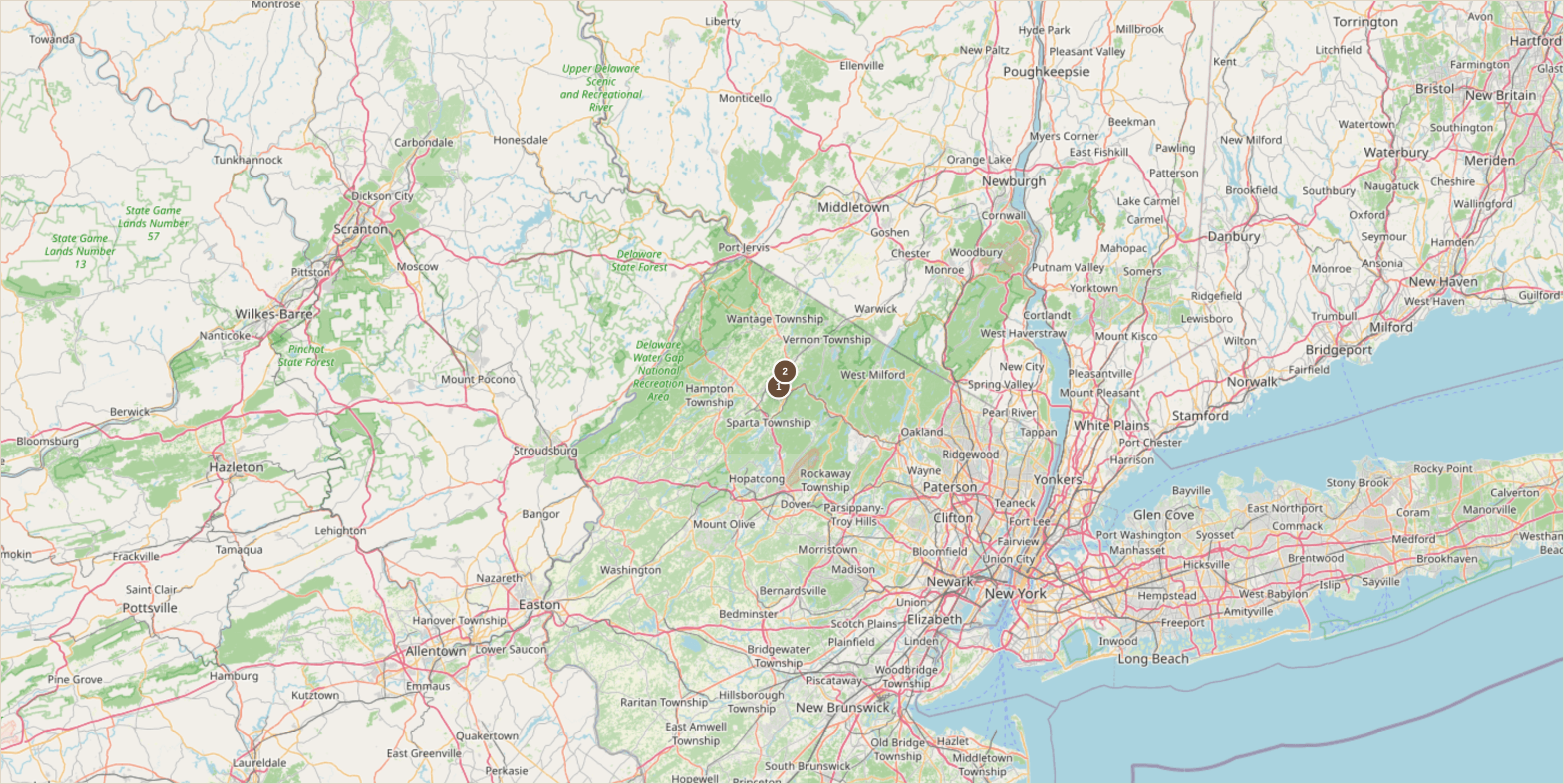
Where to find willemite
Sites where willemite has been documented by our field team.
Your next step
Now that you know willemite, here’s the logical next move.
Recommended next step
See where to find willemite in the field
1 documented sites with GPS coordinates, access info, and collecting tips.
Sources & References
- Franklin Mineral Museum — Franklin Mineral Museum
- Willemite — Handbook of Mineralogy