
Table of Contents
Rutile is one of those minerals collectors often recognize first as needles trapped in quartz, even though it also occurs as a stand-alone mineral. That broader view matters because rutile is not just an inclusion effect.
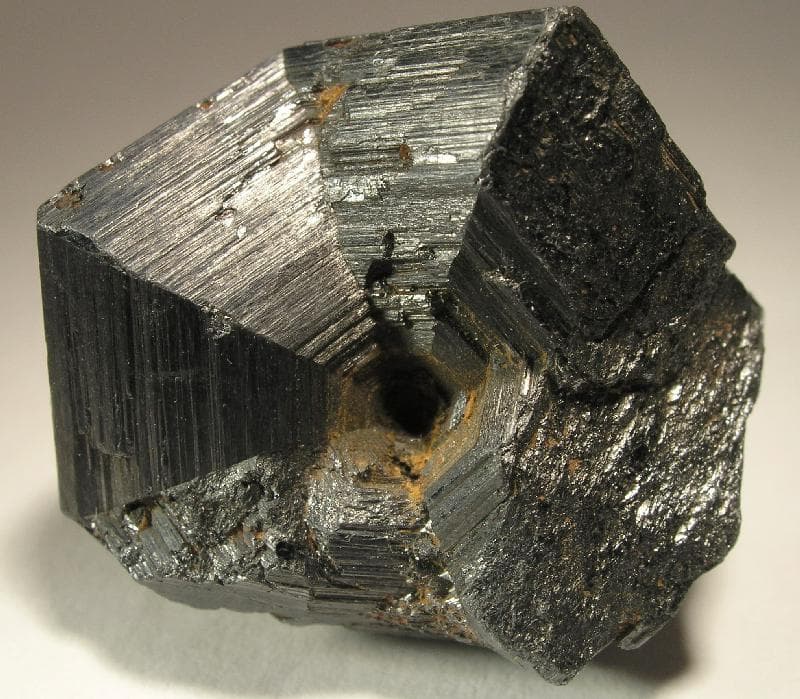
In hand specimen, rutile is about habit, luster, and context. Dark prismatic crystals can be easy to overcall until you slow down and separate them from tourmaline or other darker elongated minerals.
Appearance & Identification
- Color: Rutile is commonly reddish brown, dark brown, black, or golden in fine needles.
- Luster: It often shows bright adamantine to metallic-looking luster on fresh surfaces.
- Habit: Crystals can be prismatic, needle-like, or acicular depending on the setting.
- Context: Rutile occurs in metamorphic rocks, igneous systems, and as inclusions in other minerals.
How Rutile Forms
Rutile forms in metamorphic and igneous environments as a stable titanium oxide mineral. It can grow as discrete crystals, as needles, or as accessory grains in broader mineral assemblages.
That wide stability is why rutile shows up in several different collector settings instead of belonging to only one classic host rock.
Where Rutile Is Found
Collectors encounter rutile in metamorphic terrains, pegmatites, hydrothermal settings, and as inclusions in quartz and other minerals worldwide.
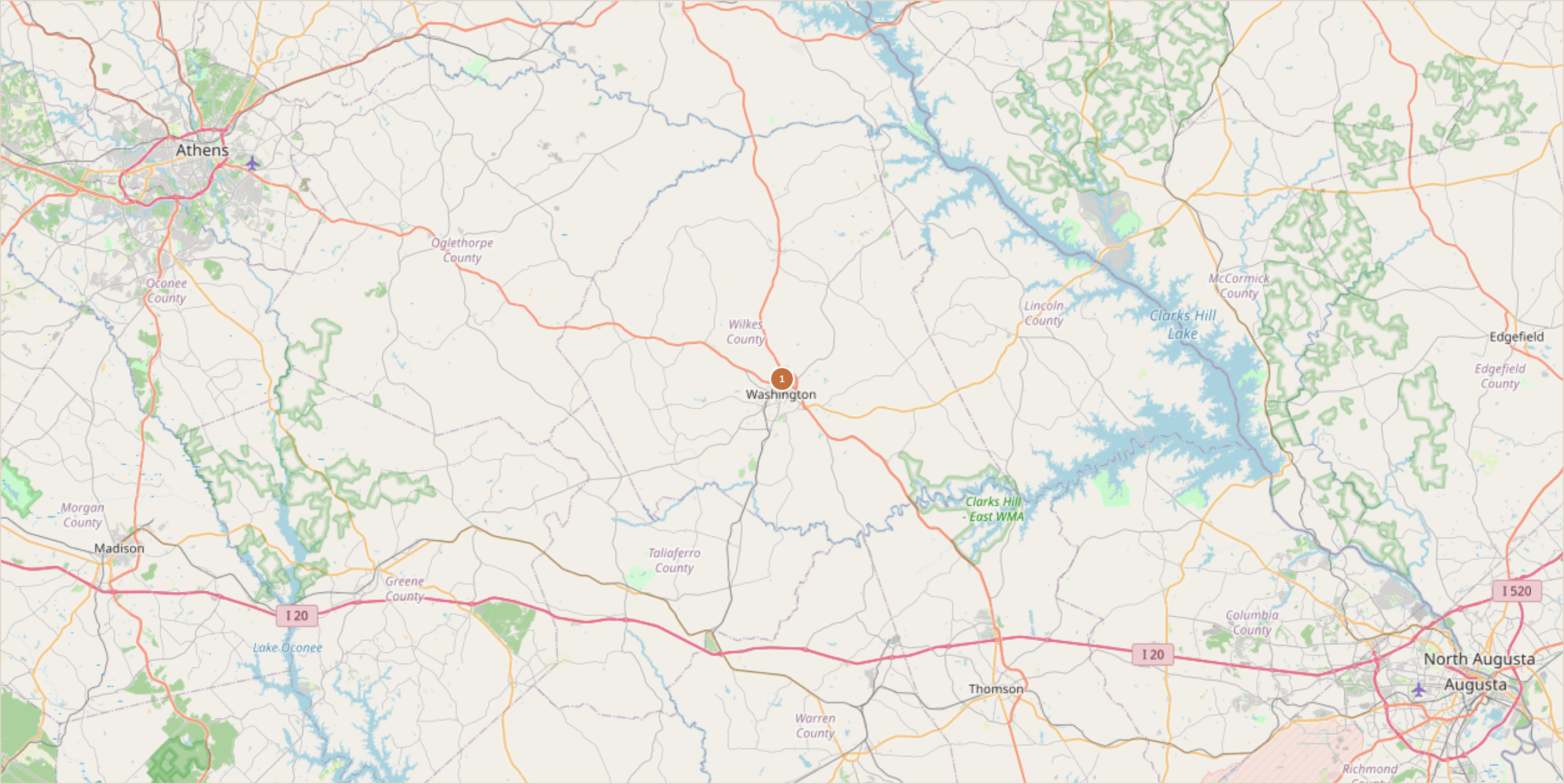
On this site, Georgia's Graves Mountain is the strongest internal locality context because rutile belongs naturally in that unusual mineral district conversation.
Lookalikes & Similar Material
Dark prismatic crystals invite bad guesses. The right ID comes from mineral family, luster, and context instead of habit alone.
| Mineral | How to tell it apart from rutile |
|---|---|
| Tourmaline | Tourmaline can be dark and prismatic, but it belongs to a different mineral family and shows different luster and habit details. |
| Topaz | Topaz is usually clearer and not the same reddish-brown titanium oxide material. |
| Kyanite | Kyanite can be bladed and dark in some cases, but it differs in color range, cleavage, and mineral family. |
Collecting Tips
- Check luster and color carefully before calling a dark prismatic crystal rutile.
- Use host-rock and associated-mineral context to strengthen the ID.
- Remember that rutile may be present as inclusions even when the main hand specimen mineral is something else.
Before you go collecting…
Most beginners head out without knowing the basics. Our beginner’s guide covers gear, safety, and the field tests that’ll help you identify what you find.
Frequently Asked Questions
No. Rutile can form standalone crystals as well as inclusions in other minerals.
It can form attractive crystals and needles, and it is a common, important titanium mineral in many geological settings.
Georgia's Graves Mountain context is the main internal reference.
Where to find rutile
Sites where rutile has been documented by our field team.
Your next step
Now that you know rutile, here’s the logical next move.
Recommended next step
See where to find rutile in the field
1 documented sites with GPS coordinates, access info, and collecting tips.
Sources & References
- Rutile — Handbook of Mineralogy