
Table of Contents
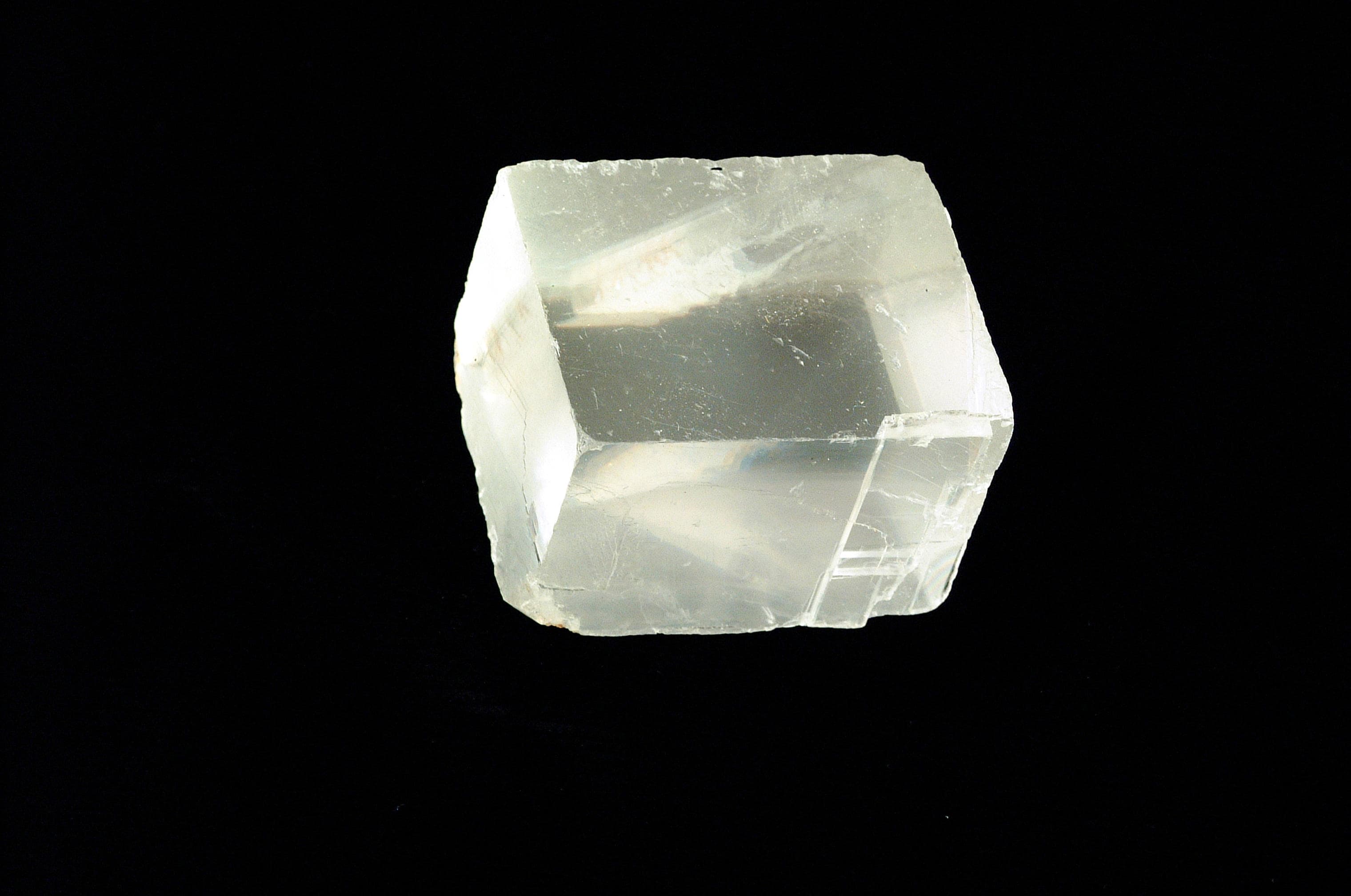
Calcite is one of the most important minerals a collector can learn because it is both common and highly diagnostic. It is the mineral species calcium carbonate, and it turns up in limestones, marbles, hydrothermal veins, cave deposits, and many collector specimens.
In the field, calcite is not just identified by color. It stands out because of its perfect rhombohedral cleavage, its low Mohs hardness of 3, and its ready reaction with dilute hydrochloric acid. Those clues work together far better than color names ever will.
Appearance & Identification
Calcite can be colorless, white, gray, honey-colored, orange, green, or many other shades, so physical tests matter more than color.
- Cleavage: Calcite has perfect rhombohedral cleavage in three directions. Broken pieces commonly form rhombohedra rather than blocky cubes or shell-like fractures.
- Hardness: Mohs 3, which means a copper coin can mark it and a knife scratches it easily.
- Acid reaction: Fresh calcite effervesces readily in dilute hydrochloric acid.
- Luster: Vitreous on fresh crystal faces and often pearly on cleavage surfaces.
- Double refraction: Clear calcite can show a doubled image when you look through it.
The acid test is the other classic check. A drop of dilute hydrochloric acid on fresh calcite produces a visible fizz because carbon dioxide is released during the reaction. That simple test is why calcite appears in so many introductory mineralogy labs.
How Calcite Forms
Calcite forms in sedimentary, metamorphic, hydrothermal, and even some low-temperature surface environments. It precipitates directly from carbonate-rich waters, recrystallizes during metamorphism, and grows as crystals in veins and cavities.
In sedimentary rocks, calcite is a major component of limestone. When limestone is metamorphosed, it recrystallizes into marble. In caves and hot-spring systems, calcite precipitates from water to form stalactites, stalagmites, flowstone, and travertine.
Where Calcite Is Found
Calcite is worldwide and extremely common. Collectors see it in bedded limestones, marbles, hydrothermal veins, ore deposits, cave systems, and crystal pockets in carbonate-hosted environments.
That abundance means locality quality matters more than simple presence. Many places contain calcite, but only some produce sharp dogtooth spar, clear Iceland spar, or colorful cabinet specimens.
Similar Minerals & Lookalikes
Calcite often gets confused with other pale transparent minerals, but cleavage, hardness, and acid reaction usually separate it cleanly.
| Mineral | How to tell it apart from calcite |
|---|---|
| Quartz | Quartz is much harder at Mohs 7, does not fizz in acid, and lacks rhombohedral cleavage. Calcite is softer, cleaves easily, and reacts rapidly with dilute hydrochloric acid. |
| Dolomite | Dolomite can look similar, but cold dilute hydrochloric acid usually makes powdered dolomite react more strongly than an unpowdered surface. Calcite effervesces readily on a fresh surface. |
| Fluorite | Fluorite is a little harder at Mohs 4, has perfect cleavage in four directions, and does not fizz in dilute hydrochloric acid. Calcite is softer, breaks into rhombohedral fragments, and reacts readily with acid. |
| Gypsum | Gypsum is much softer at Mohs 2, scratches with a fingernail, and has a different cleavage pattern. Calcite is harder and typically breaks into rhombohedral fragments. |
Beginner Tips for Collecting Calcite
- Carry acid carefully. A small dropper bottle of dilute hydrochloric acid makes calcite much easier to confirm.
- Protect crystal faces. Calcite cleaves and scratches easily compared with harder collector minerals.
- Use a fresh surface. Weathering can weaken the acid response on old, dirty surfaces.
- Check the breakage pattern. Rhombohedral cleavage is a more reliable clue than color.
Before you go collecting…
Most beginners head out without knowing the basics. Our beginner’s guide covers gear, safety, and the field tests that’ll help you identify what you find.
Frequently Asked Questions
Calcite combines several strong diagnostic features in one specimen: low hardness, perfect rhombohedral cleavage, double refraction in clear pieces, and a strong reaction with acid. That makes it unusually teachable in hand sample.
A drop of dilute hydrochloric acid is the standard field and lab check. Calcite effervesces readily because calcium carbonate releases carbon dioxide when it reacts with acid.
Calcite is a major constituent of limestone and marble, but it also forms veins, cave deposits, hot-spring travertine, and many hydrothermal crystals. It is one of the most widespread carbonate minerals.
Iceland spar is a transparent variety of calcite known for strong double refraction. It is still calcite, just a particularly clear form.
Where to find calcite
Sites where calcite has been documented by our field team.
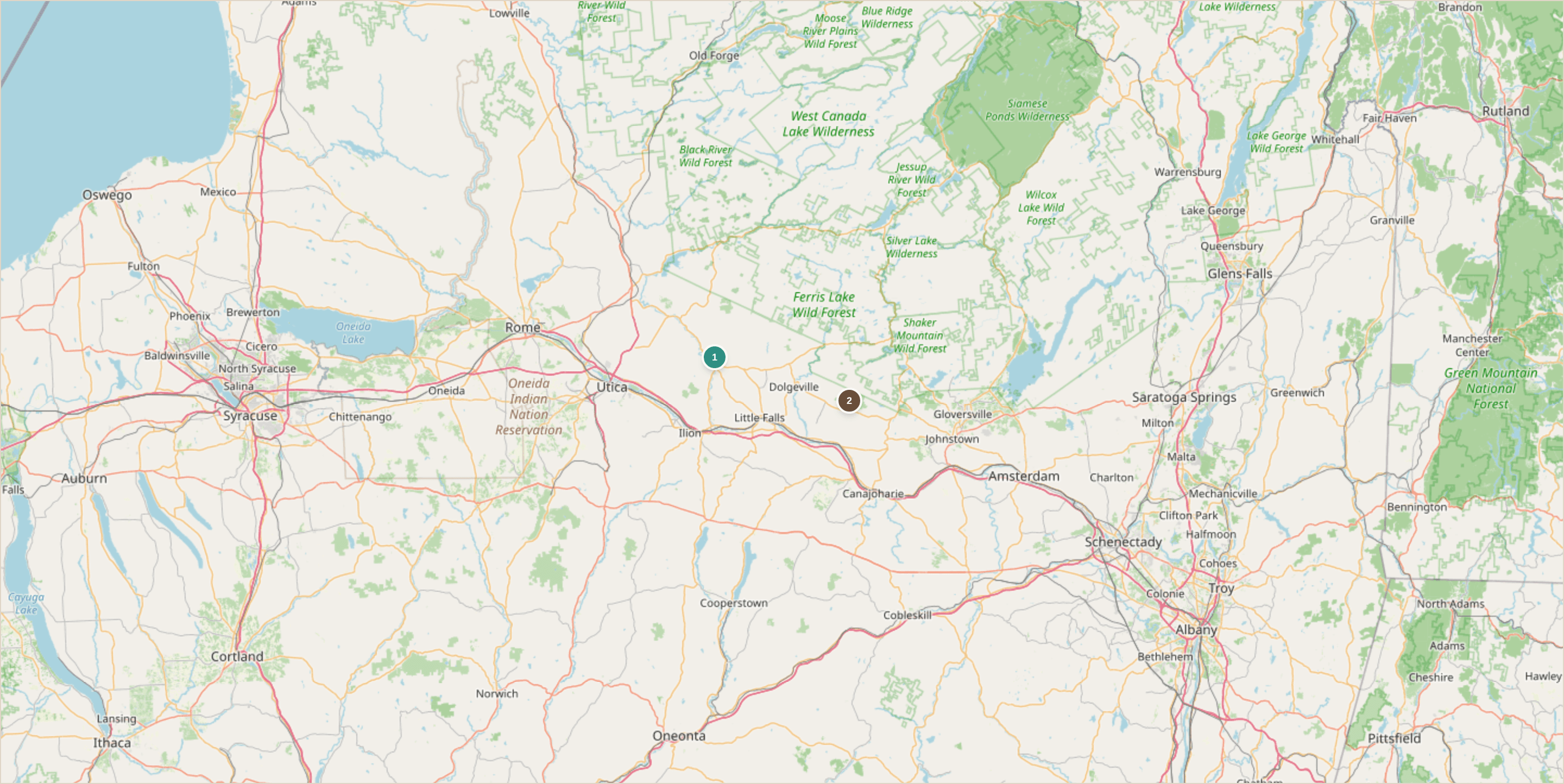
New York
ModerateHerkimer Diamond Mines
World-famous for doubly-terminated quartz crystals with exceptional clarity. The dolomite host rock dates back nearly 500 million years. Tools and guidance provided on-site.
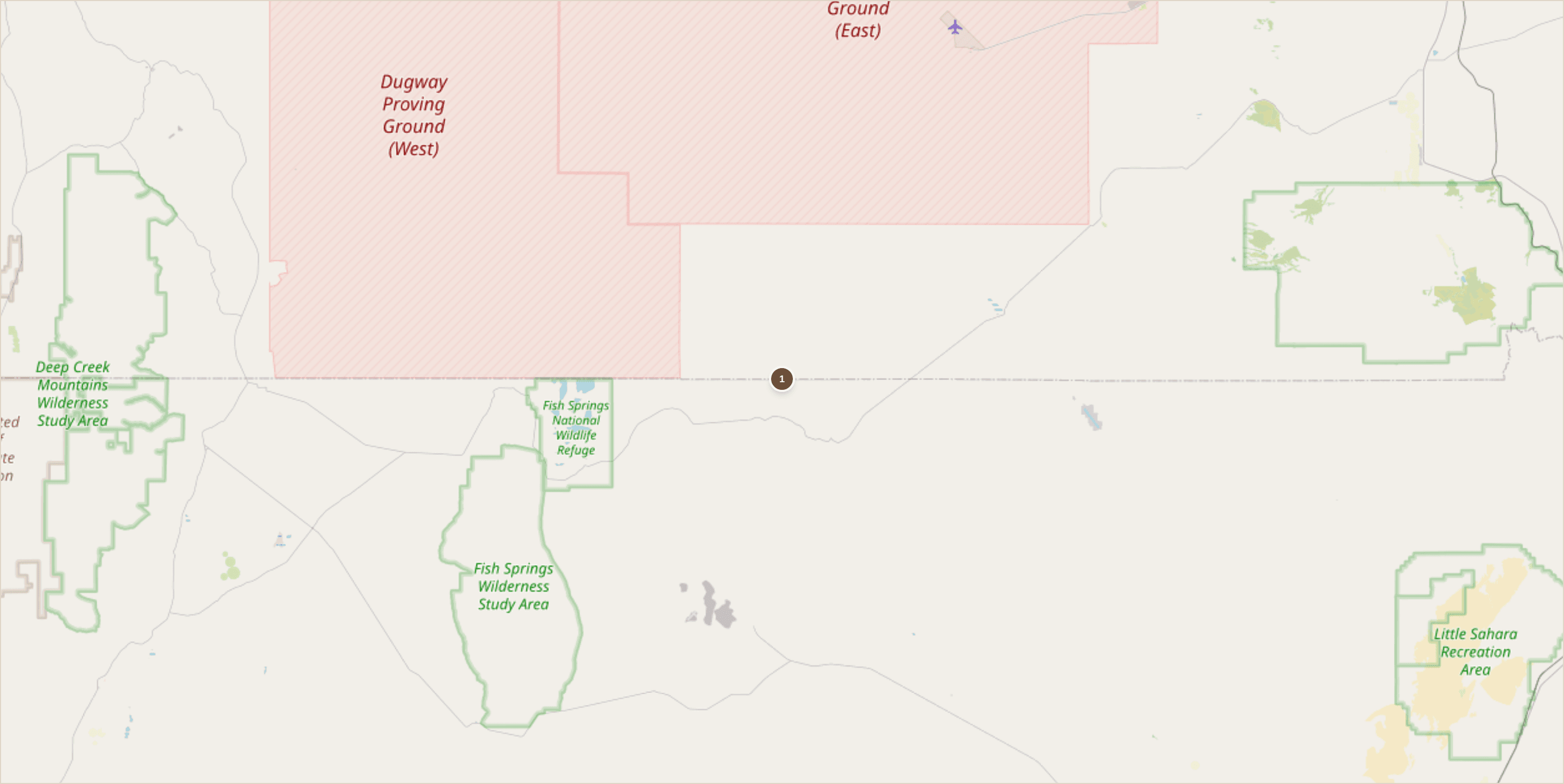
Utah
EasyDugway Geode Beds
Free BLM collecting area west of Delta, Utah, producing rhyolite geodes lined with quartz, calcite, and occasionally pink chalcedony. No tools needed — geodes weather out of the soil.
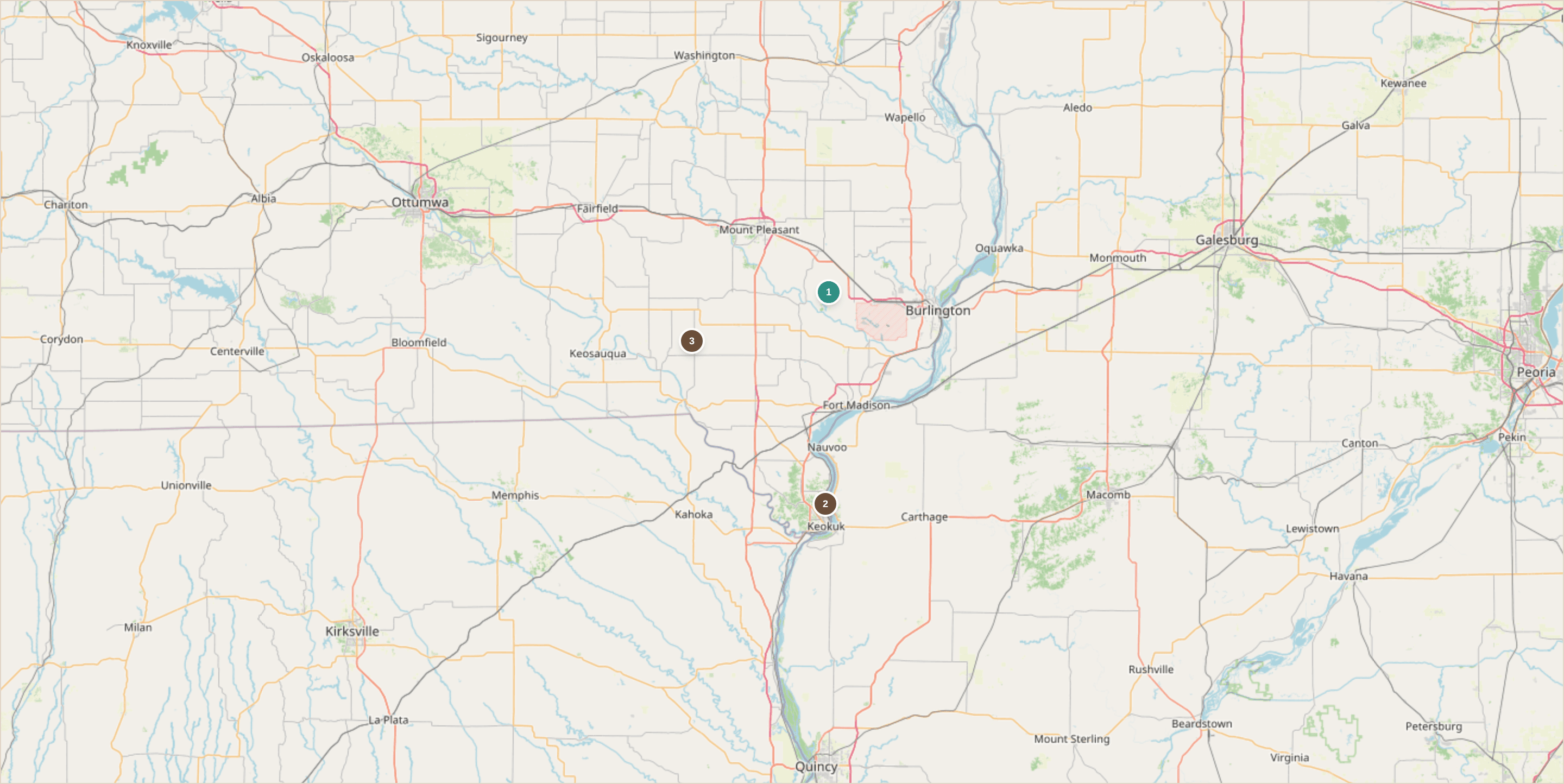
Iowa
ModerateKeokuk Geode Region
Permission-first geode country across southeastern Iowa, where productive Warsaw Formation exposures are real but most worthwhile ground is private and Geode State Park itself is view-only.
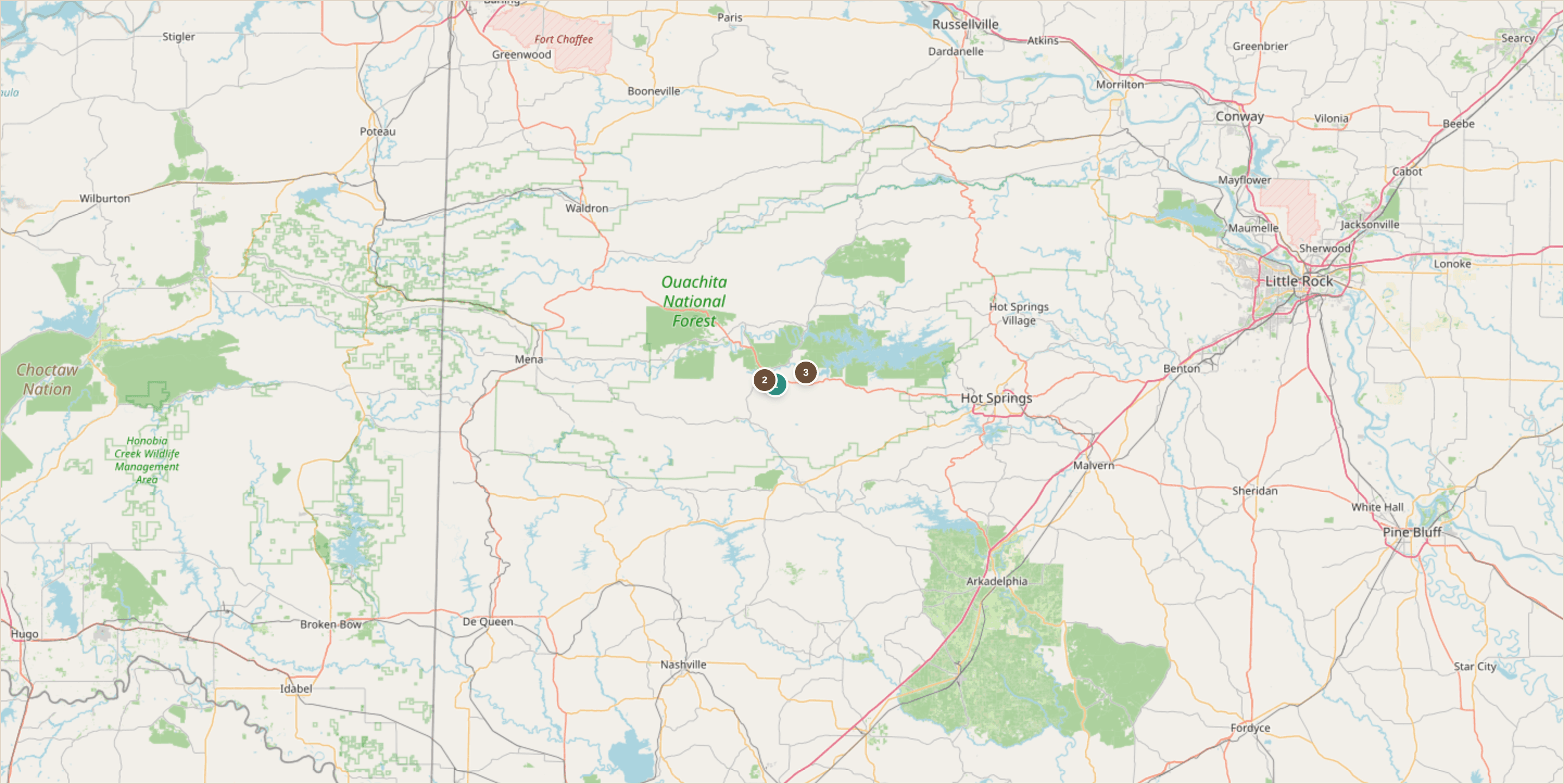
Arkansas
ModerateMount Ida Quartz Mines
The quartz crystal capital of the world, with several fee-dig mines offering surface collecting and tailings digging. Known for clear, phantom, and tabular quartz crystals.
Your next step
Now that you know calcite, here’s the logical next move.
Recommended next step
See where to find calcite in the field
5 documented sites with GPS coordinates, access info, and collecting tips.
Sources & References
- Calcite — Handbook of Mineralogy
- Calcite Mineral Data — Webmineral
- Calcite rhomb (GeoDIL number - 519) — Wikimedia Commons