
Table of Contents
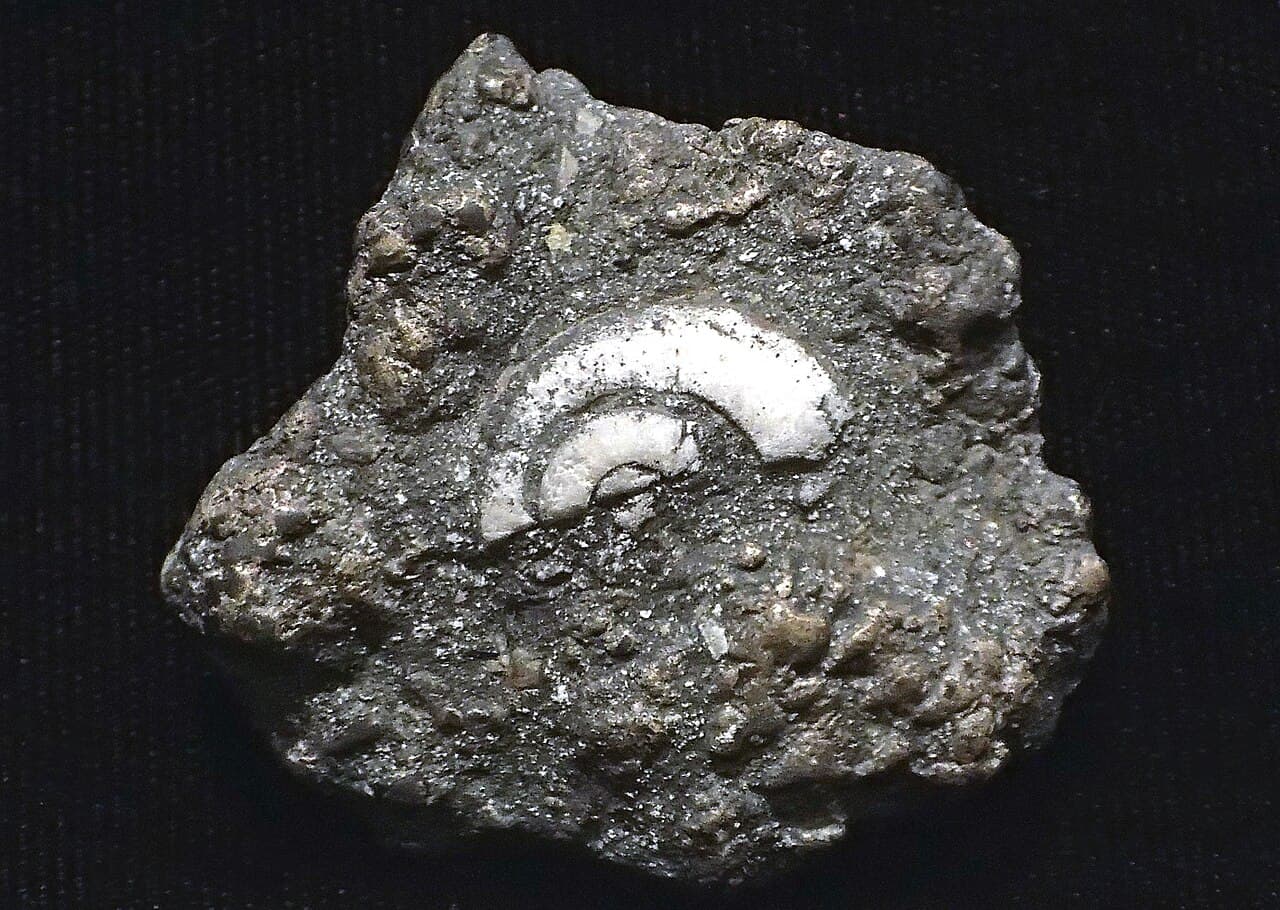
Limestone fossils are the broad, honest category for a huge amount of beginner fossil collecting. The point is not one species. The point is fossil-bearing carbonate rock where marine life has been preserved in place or as dense fossil debris.
That broad label helps because not every fossil-bearing limestone deserves a narrower name. If the rock clearly carries fossil content but not one single iconic pattern, limestone fossils is often the right collector description.
Appearance & Identification
- Host rock: Look for carbonate-rich limestone rather than quartz-rich or heavily silicified material.
- Fossil content: Common fossils include shells, crinoids, coral fragments, and other marine remains.
- Hardness: Many pieces are softer than quartz-family fossil material and can react differently to cleaning.
- Texture: Broken surfaces often show fossil cross-sections, fragments, and packed biological material.
How Limestone Fossils Form
Limestone fossils form when shells, coral, crinoids, and other marine remains accumulate, are buried, and become lithified into carbonate rock.
The fossil quality depends on how much original structure was preserved, how much the rock recrystallized, and whether later mineral replacement changed the material significantly.
Where Limestone Fossils Are Found
Collectors find limestone fossils in marine sedimentary units across broad parts of North America and elsewhere. Roadcuts, quarries, creeks, and shorelines can all expose fossil-bearing limestone where collecting is legal.
On this site, Michigan is the clearest context because shoreline and beach collecting there regularly puts people into contact with fossil-bearing limestone material of many kinds.
Lookalikes & Similar Material
The main risk is over-naming. Many fossil-bearing limestones are interesting without belonging to a branded or highly specific collector category.
| Mineral | How to tell it apart from limestone fossils |
|---|---|
| Fossil Coral | Fossil coral is one subset of fossil content, while limestone fossils as a category includes shells, crinoids, coral, and other marine remains. |
| Petoskey Stones | Petoskey stones are a specific coral fossil type with a famous pattern, not a generic label for all fossil-bearing limestone. |
| Petrified Wood | Petrified wood is fossilized plant material, often silicified, rather than marine fossils preserved in limestone. |
Collecting Tips
- Use gentler cleaning methods on softer carbonate material.
- Look at broken or wet surfaces to reveal fossil content more clearly.
- Keep the broad limestone fossil label when the material is real but not narrowly identifiable.
Before you go collecting…
Most beginners head out without knowing the basics. Our beginner’s guide covers gear, safety, and the field tests that’ll help you identify what you find.
Frequently Asked Questions
No. They can include coral, crinoids, brachiopods, shell fragments, and many other fossil forms.
Because the host rock is often carbonate-rich rather than silica-rich.
Some can, but many stay softer and more subdued than silicified fossil material.
Your next step
Now that you know limestone fossils, here’s the logical next move.
Recommended next step
Find collecting locations near you
Detailed field guides to rockhounding sites across the country.
Sources & References
- Limestone and Fossils — National Geographic Education