
Table of Contents
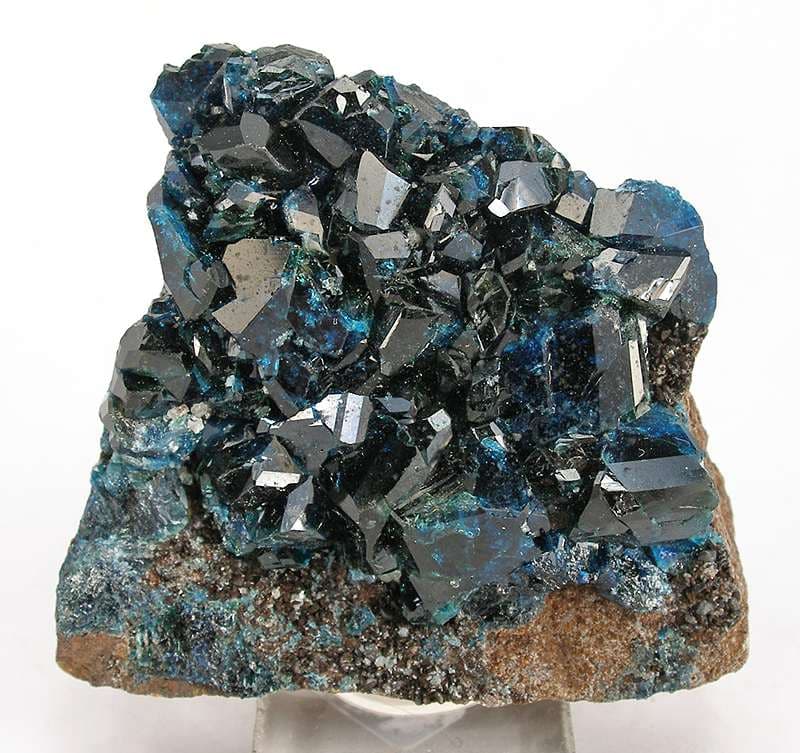
Lazulite is one of the blue collector minerals that can slip under the radar simply because people know azurite and turquoise better. That is a mistake, because lazulite can be visually striking and geologically distinctive.
The name confusion with lazurite also catches beginners. Keeping the chemistry and context straight matters if you want the label to mean something real.
Appearance & Identification
- Color: Lazulite is usually deep blue to blue-green, often with strong saturated tone in good material.
- Luster: It commonly shows vitreous luster rather than dull earthy surfaces.
- Habit: Crystals can be short prismatic or wedge-like depending on the locality.
- Context: Lazulite belongs to specialized metamorphic or phosphate-rich settings rather than generic blue-rock environments.
How Lazulite Forms
Lazulite forms in phosphate-rich metamorphic and hydrothermal environments where the chemistry supports aluminum phosphate mineral growth.
That restricted setting is part of why good lazulite specimens feel more district-specific and less routine than some of the more common blue minerals beginners learn first.
Where Lazulite Is Found
Collectors find lazulite in selected localities worldwide, but it remains a specialist mineral compared with broad collector staples like quartz or garnet.
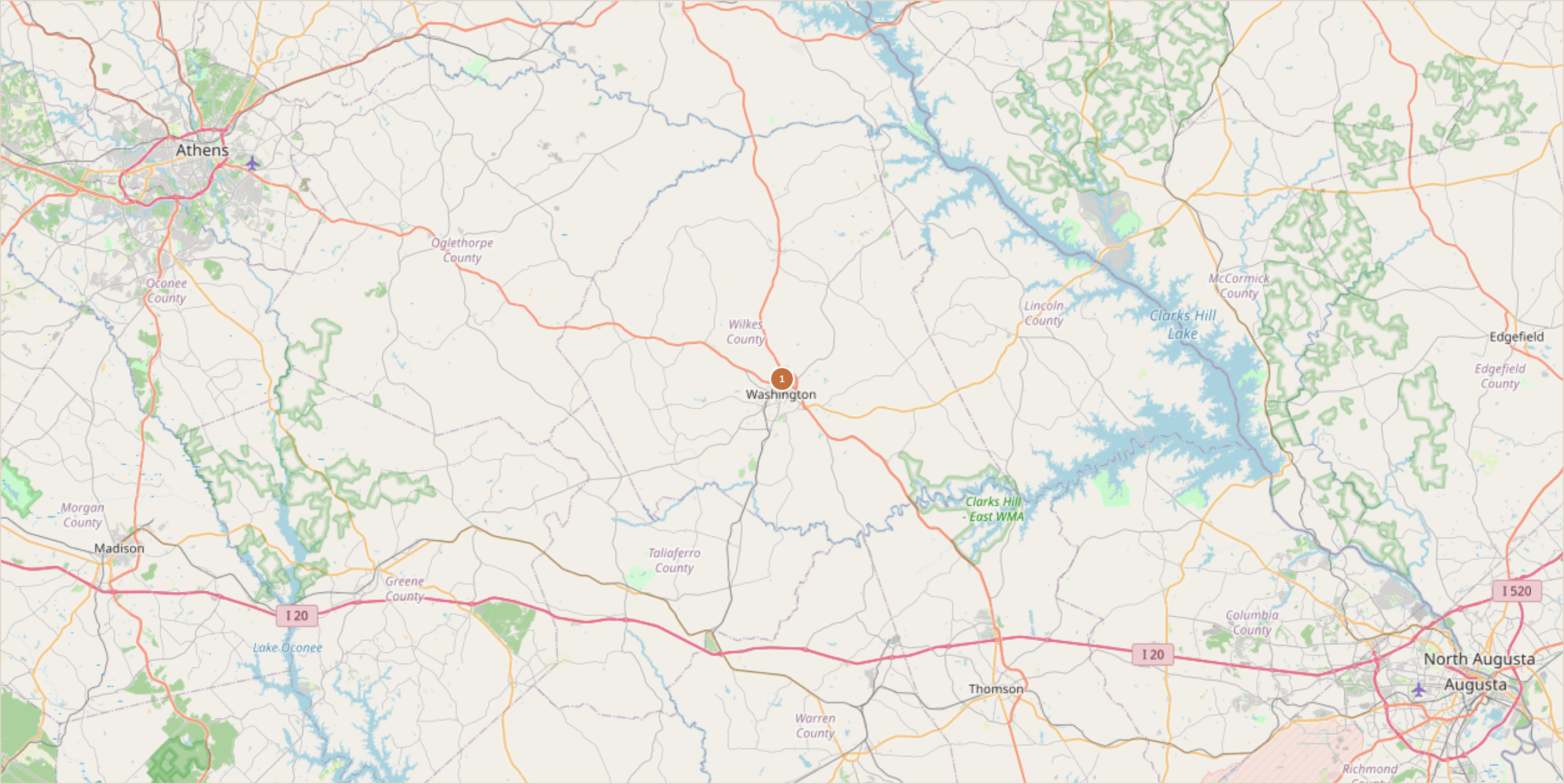
On this site, Graves Mountain in Georgia is the important context because it gives lazulite a real field anchor inside a known American mineral district.
Lookalikes & Similar Material
Blue color creates confusion quickly, so mineral family and district context matter more than color adjectives alone.
| Mineral | How to tell it apart from lazulite |
|---|---|
| Kyanite | Kyanite is an aluminum silicate with bladed habit and directional hardness, while lazulite is a phosphate. |
| Azurite | Azurite is a copper carbonate and is softer, with different associations and weathering behavior. |
| Turquoise | Turquoise is usually more opaque and more commonly nodular or massive than crystalline lazulite material. |
Collecting Tips
- Use locality and host-rock context heavily when identifying lazulite.
- Separate it from kyanite by mineral family and typical habit, not just shared blue color.
- Keep uncommon district minerals well labeled because their value is often tied to locality as much as appearance.
Before you go collecting…
Most beginners head out without knowing the basics. Our beginner’s guide covers gear, safety, and the field tests that’ll help you identify what you find.
Frequently Asked Questions
No. They are different minerals despite the similar names.
The color can be striking, and the mineral is uncommon enough to stay interesting even in small specimens.
Georgia's Graves Mountain is the main internal location context.
Where to find lazulite
Sites where lazulite has been documented by our field team.
Your next step
Now that you know lazulite, here’s the logical next move.
Recommended next step
See where to find lazulite in the field
1 documented sites with GPS coordinates, access info, and collecting tips.
Sources & References
- Lazulite — Handbook of Mineralogy