
Table of Contents
Hiddenite is the green variety of spodumene, and it is far more locality-sensitive in collector culture than many broad mineral names. The North Carolina connection is part of the identity, not just a trivia note.
That locality focus also makes the ID easier to handle honestly. Hiddenite is not the right label for every green crystal from a gem mine bucket. You still need the crystal family and cleavage story to line up.
Appearance & Identification
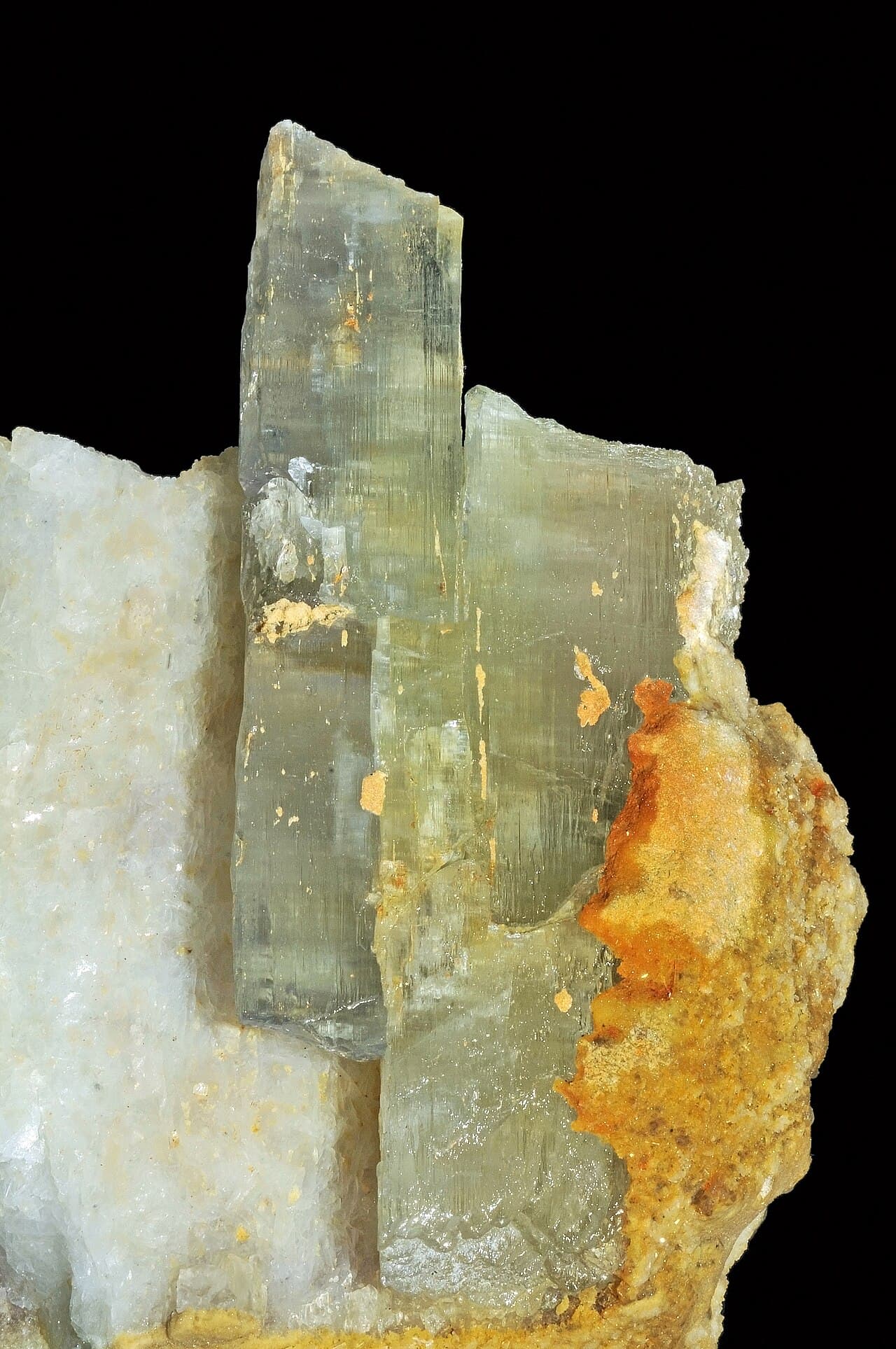
- Color: Hiddenite ranges from yellow-green to richer green, but the exact tone alone is never enough for a clean ID.
- Cleavage: Like other spodumene varieties, hiddenite shows strong cleavage that affects both identification and handling.
- Habit: Crystals are typically elongated or bladed rather than hexagonal beryl prisms.
- Locality context: North Carolina pegmatite material is the most relevant field setting on this site.
How Hiddenite Forms
Hiddenite forms in lithium-rich pegmatites as part of the spodumene family. Like kunzite, it depends on pegmatitic chemistry rather than generic green coloration in host rock.
The trace-element chemistry behind color is part of why hiddenite remains a specialized collector term instead of a broad everyday field label.
Where Hiddenite Is Found
Hiddenite is historically tied to North Carolina, where the variety became famous and where collector interest remains strongest in the United States.
That is why Emerald Hollow is such an important internal context here. It is the cleanest place in this site's coverage where hiddenite belongs in the actual field conversation rather than only in gem reference books.
Lookalikes & Similar Material
Most hiddenite misidentifications happen because green gets people excited faster than the mineral family evidence can support.
| Mineral | How to tell it apart from hiddenite |
|---|---|
| Emerald | Emerald is green beryl rather than spodumene, so crystal family and cleavage behavior are different even when color overlaps. |
| Tourmaline | Green tourmaline commonly shows strong prism striations, while hiddenite belongs to spodumene's cleavage-prone crystal family. |
| Kunzite | Kunzite and hiddenite are both spodumene varieties, but kunzite is pink to lilac and hiddenite is green. |
Collecting Tips
- Keep the North Carolina pegmatite context in mind when evaluating possible hiddenite.
- Check cleavage and crystal proportions before jumping to emerald comparisons.
- Handle elongated crystals gently because spodumene varieties are not forgiving of careless pressure.
Before you go collecting…
Most beginners head out without knowing the basics. Our beginner’s guide covers gear, safety, and the field tests that’ll help you identify what you find.
Frequently Asked Questions
No. Hiddenite is the green variety of spodumene.
The variety was historically described from North Carolina, and the state remains the main field context for hiddenite on this site.
Yes. Green transparent crystals are often overcalled, so cleavage, habit, and the pegmatite context matter.
Your next step
Now that you know hiddenite, here’s the logical next move.
Recommended next step
Find collecting locations near you
Detailed field guides to rockhounding sites across the country.
Sources & References
- Spodumene — Handbook of Mineralogy
- North Carolina Gemstones — North Carolina Geological Survey