
Table of Contents
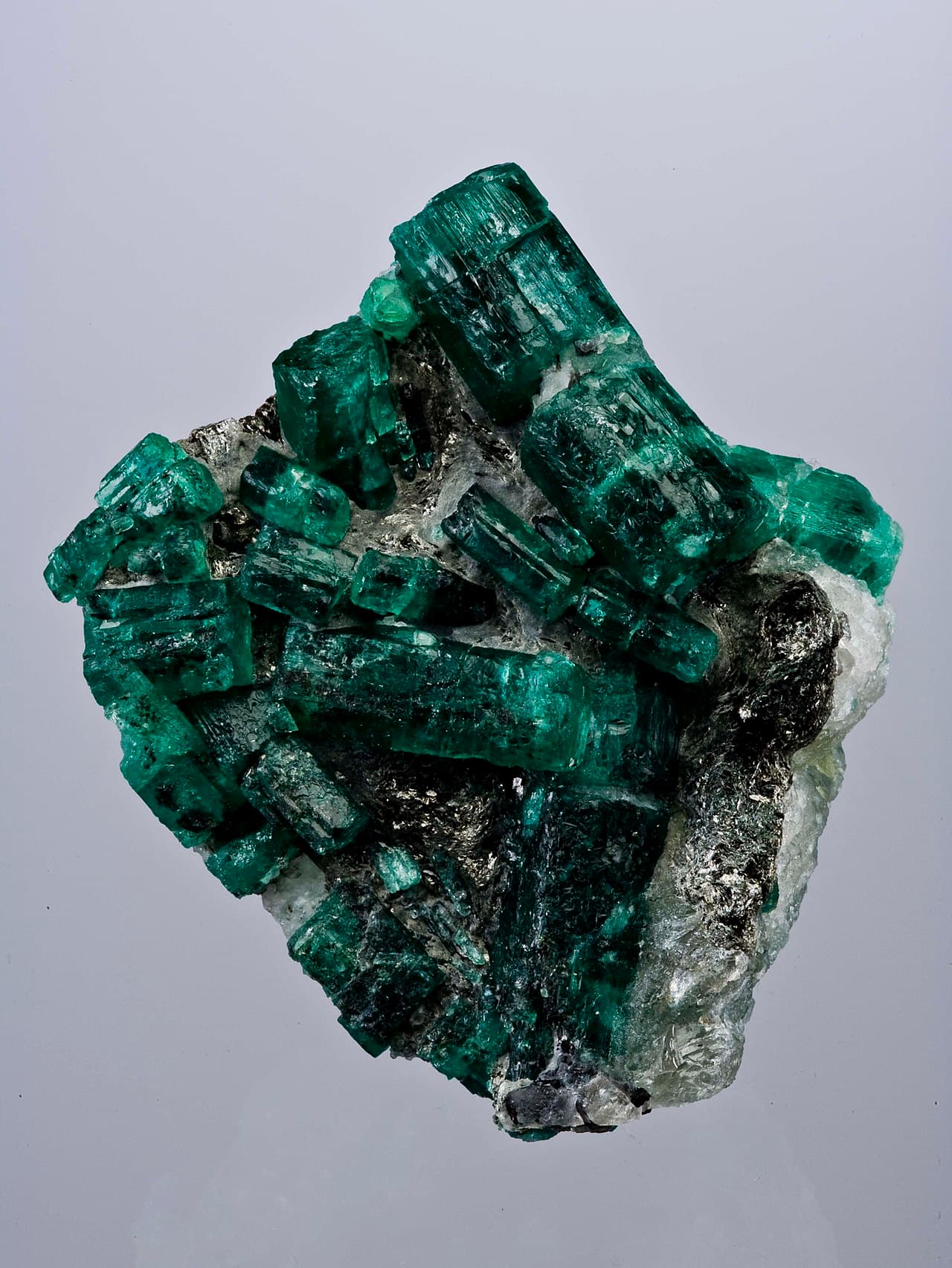
Emerald is one of the best-known gem names in the world, but in collector terms it helps to start with the mineral reality: emerald is green beryl. That keeps the discussion anchored in crystal habit, hardness, and host geology rather than only jewelry language.
The most useful beginner correction is that natural emerald is often included. Clean green crystals do exist, but heavy inclusion is normal enough that clarity alone is not a good reason to dismiss natural material.
Appearance & Identification
- Color: True emerald is distinctly green to bluish green rather than just pale green beryl.
- Habit: Crystals are typically hexagonal prisms, sometimes short and blocky, sometimes more elongated.
- Hardness: Emerald is hard, but included material can still be fragile around fractures.
- Clarity: Inclusions are common enough that natural emerald is often judged with more tolerance than many other gems.
How Emerald Forms
Emerald forms where beryllium-rich fluids interact with chromium- or vanadium-bearing host rocks. That chemistry is part of why good emerald localities are geologically special rather than just another pegmatite with green crystals.
The mineral may occur in pegmatitic, hydrothermal, or metamorphic settings, depending on the district. What matters for collectors is that emerald usually reflects a narrow overlap of the right chemistry rather than simple abundance.
Where Emerald Is Found
World-famous emerald districts include Colombia, Zambia, Brazil, Afghanistan, and Pakistan. Collector and gem markets are shaped heavily by those regions.
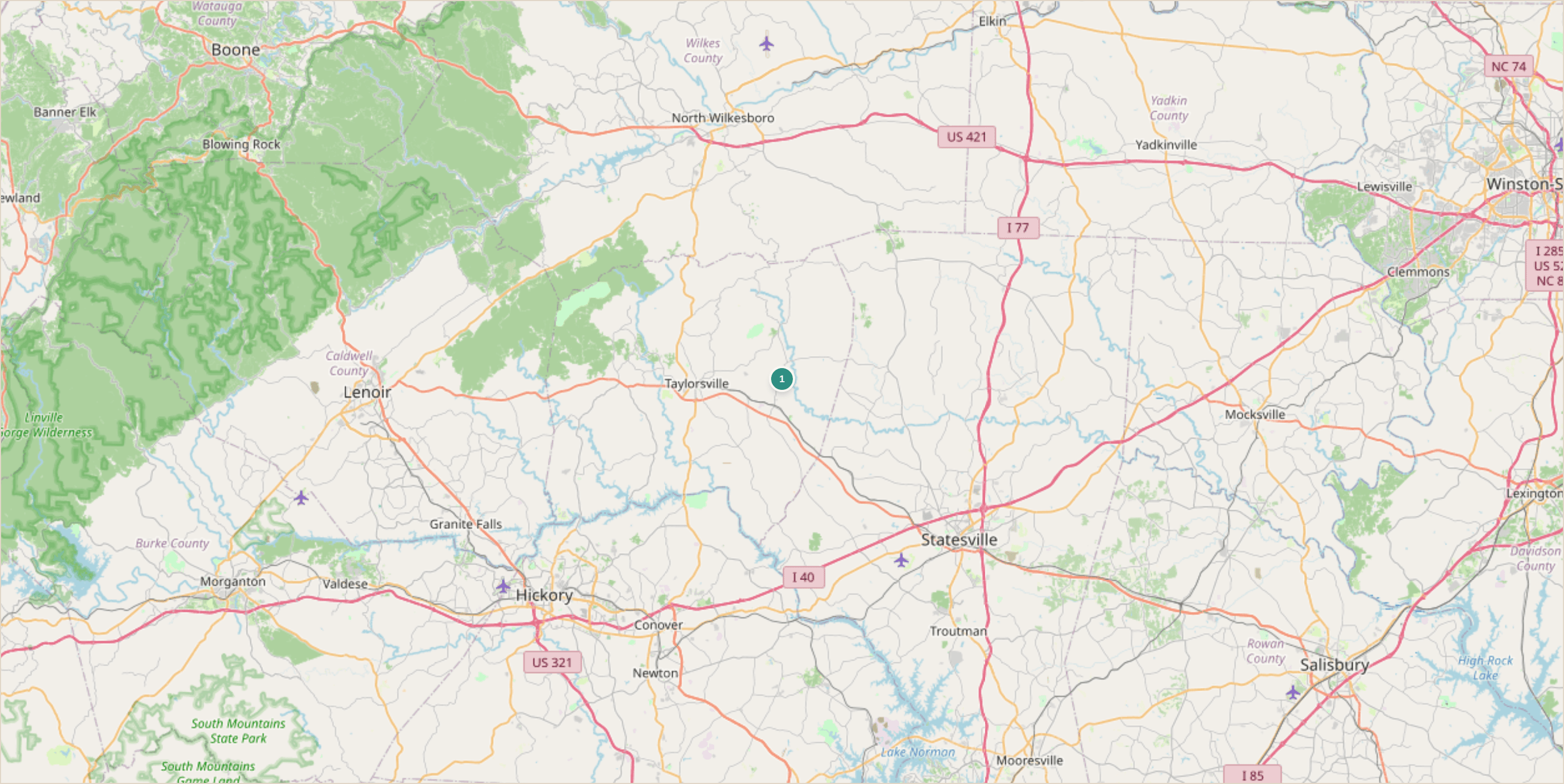
Within the United States, North Carolina is the clearest internal field reference on this site because emerald appears alongside hiddenite, aquamarine, and other pegmatite-related material in the Emerald Hollow context.
Lookalikes & Similar Material
The biggest mistake is confusing any green transparent crystal with emerald. The right identification uses mineral family, habit, and host context together.
| Mineral | How to tell it apart from emerald |
|---|---|
| Tourmaline | Green tourmaline can look similar in color, but it is typically more striated and not a beryl variety. |
| Hiddenite | Hiddenite is green spodumene, not beryl, and the crystal habit and cleavage behavior are different from emerald. |
| Aquamarine | Aquamarine is also beryl, but its color range is blue to blue-green instead of the richer emerald green collectors look for. |
Collecting Tips
- Expect included material and learn to separate natural inclusions from heavy damage.
- Use the host rock and associated minerals as part of the ID, not just the crystal color.
- Treat fractured crystals carefully even though emerald's hardness sounds high on paper.
Before you go collecting…
Most beginners head out without knowing the basics. Our beginner’s guide covers gear, safety, and the field tests that’ll help you identify what you find.
Frequently Asked Questions
No. Emerald is the green variety of beryl, colored mainly by chromium, vanadium, or both.
Emerald commonly forms in environments where fractures, fluid inclusions, and growth interruptions are normal, so perfectly clean natural material is uncommon.
Yes. North Carolina is the most important internal context on this site, though global emerald collecting is much broader than one state.
Where to find emerald
Sites where emerald has been documented by our field team.
Your next step
Now that you know emerald, here’s the logical next move.
Recommended next step
See where to find emerald in the field
1 documented sites with GPS coordinates, access info, and collecting tips.
Sources & References
- Beryl — Handbook of Mineralogy
- Emerald Description — GIA