
Table of Contents
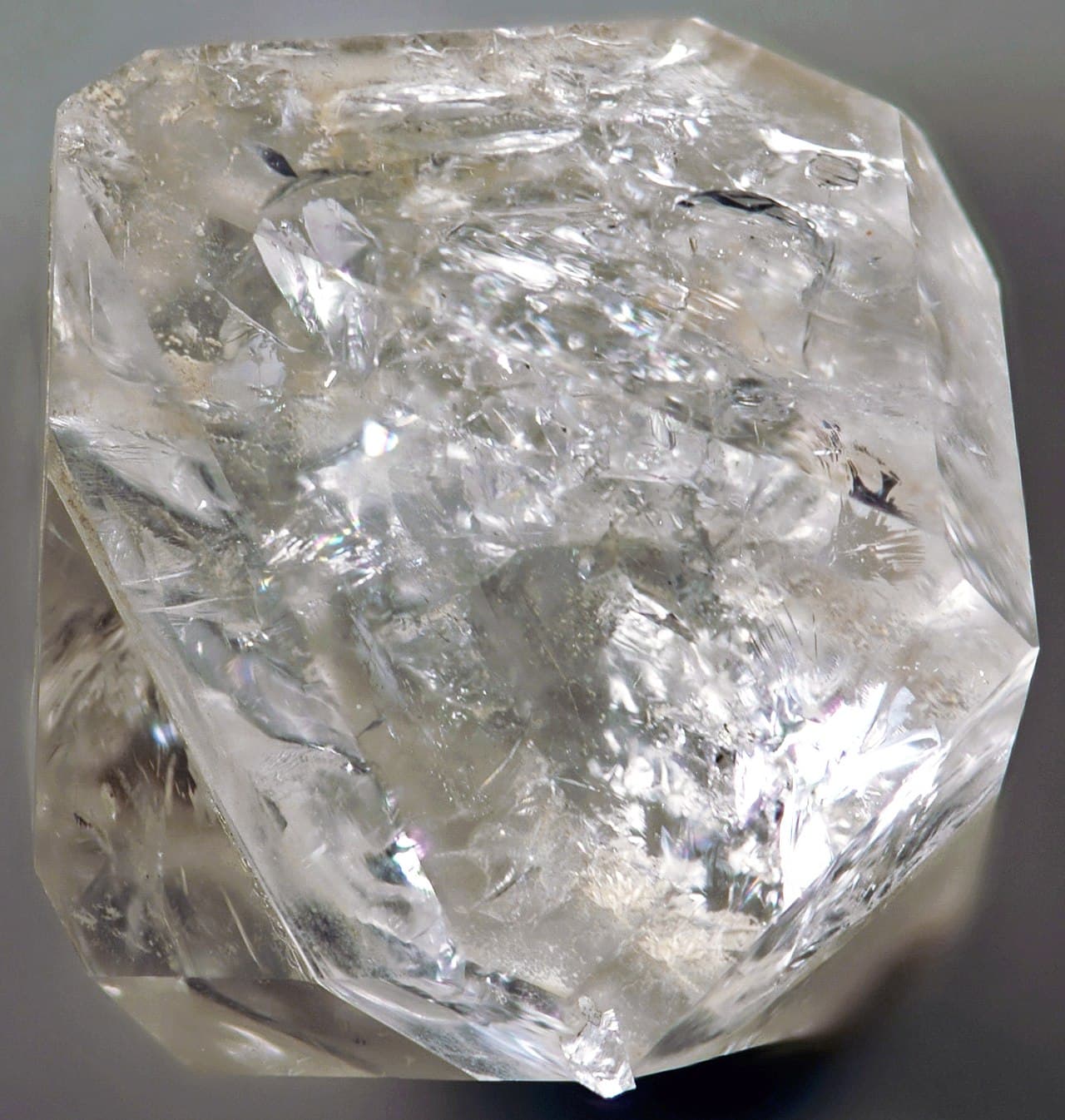
Herkimer diamonds are one of the best examples of why collector names need translation. They are not diamonds at all. They are exceptionally clear, naturally double-terminated quartz crystals from the Herkimer district of New York.
That distinction matters because the nickname makes sense only after you understand the brilliance and crystal quality. If you skip the quartz part, the name becomes misleading instead of useful.
Appearance & Identification
- Mineral family: Herkimer diamonds are quartz, so they share quartz hardness and lack cleavage.
- Terminations: Natural double terminations are the hallmark feature collectors look for first.
- Clarity: Many crystals are notably clear, though inclusions and smoky tones also occur.
- Locality: The name properly refers to the Herkimer district in New York, not every clear double-terminated quartz crystal.
How Herkimer Diamonds Form
Herkimer diamonds formed as quartz crystals in cavities within dolostone where the crystals had enough open space to develop natural terminations at both ends.
That cavity-growth setting explains the sharp faces, the clarity, and the collector obsession with intact, unbroken crystals rather than random quartz fragments.
Where Herkimer Diamonds Are Found
The classic locality is the Herkimer district of New York, where the crystals are important enough to have built an entire collecting identity around the name.
On this site, the strongest field context is Herkimer Diamond Mines in New York. That page matters because it ties the mineral nickname back to an actual collecting landscape instead of leaving it floating as a novelty term.
Lookalikes & Similar Material
Most confusion here is name-driven. People hear 'diamond' and assume carbon gemstone, when the real comparison should start inside the quartz family.
| Mineral | How to tell it apart from Herkimer diamonds |
|---|---|
| Diamonds | Herkimer diamonds are quartz, not carbon diamonds. They are much softer and belong to a completely different mineral family. |
| Double-Terminated Quartz | All Herkimer diamonds are double-terminated quartz, but not all double-terminated quartz comes from the Herkimer district. |
| Clear Quartz | Clear quartz can look similar, but Herkimer material is especially known for sharp natural double terminations and locality-specific collector identity. |
Collecting Tips
- Protect both terminations because damage at either end matters to specimen quality.
- Use the Herkimer name carefully and keep the New York locality context attached to it.
- Do not overvalue every clear double-terminated quartz crystal as Herkimer material without provenance.
Before you go collecting…
Most beginners head out without knowing the basics. Our beginner’s guide covers gear, safety, and the field tests that’ll help you identify what you find.
Frequently Asked Questions
No. They are quartz crystals. The name is a nickname based on brilliance and crystal quality.
The classic and proper locality term refers to the Herkimer district in New York.
They formed in cavities where quartz had room to grow freely, preserving sharp faces and natural terminations at both ends.
Your next step
Now that you know herkimer diamonds, here’s the logical next move.
Recommended next step
Find collecting locations near you
Detailed field guides to rockhounding sites across the country.
Sources & References
- Quartz — Handbook of Mineralogy
- Mineralogy of New York State — New York State Museum