
Table of Contents
Pyrite is iron sulfide and one of the easiest metallic minerals for a beginner to recognize once its main clues click into place. The pale brass-yellow color is why it became famous as fool's gold, but pyrite is more than a historical nickname. It is a distinct mineral species with characteristic hardness, crystal habits, and streak.
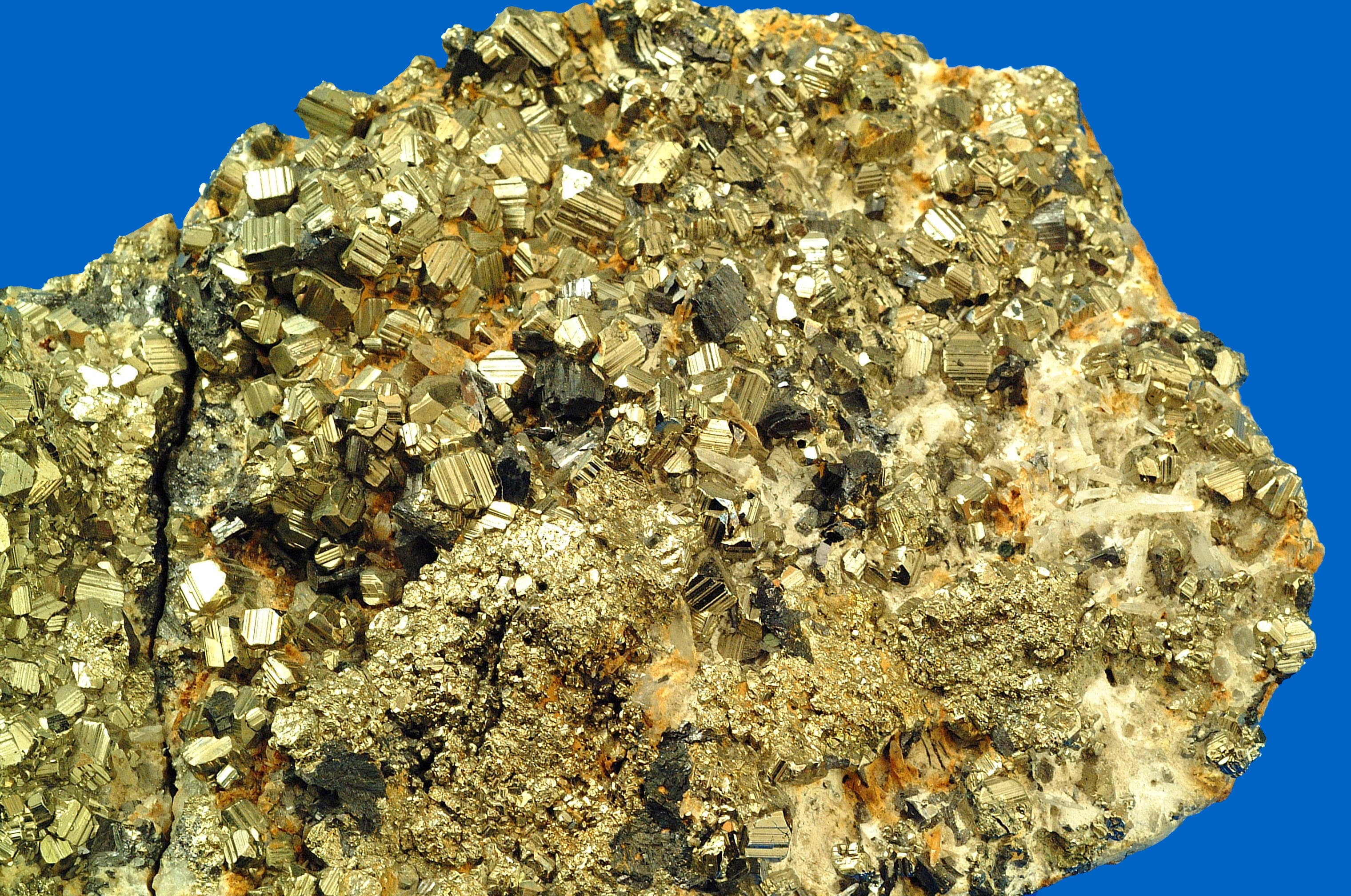
A reliable pyrite identification depends on more than color. Crystal shape, striated faces, brittle behavior, and a greenish-black streak all matter. Those features separate pyrite from both real gold and softer copper sulfides that can look similar at first glance.
Appearance & Identification
Pyrite is best identified by a combination of metallic luster, brassy color, crystal habit, and mechanical behavior.
- Color: Pale brass-yellow, often darker on tarnished surfaces.
- Crystal habit: Cubes and pyritohedra are classic, and crystal faces often show fine striations.
- Hardness: About 6 to 6.5, so pyrite is harder than a knife and much harder than native gold.
- Streak: Greenish black to brownish black.
- Tenacity: Brittle rather than malleable.
How Pyrite Forms
Pyrite forms under a remarkably wide range of conditions. Handbook of Mineralogy lists it from hydrothermal veins, magmatic segregations, igneous rocks, pegmatites, contact-metamorphic deposits, metamorphic rocks, and sedimentary rocks.
That broad occurrence range explains why pyrite shows up in everything from ore veins and fossil-bearing shales to replacement bodies and coal measures. The exact habit depends strongly on the environment: some sites produce crisp cubes, while others yield framboids, nodules, or massive sulfide-rich rock.
Where Pyrite Is Found
Pyrite is one of the most abundant and widespread sulfides on Earth. Collectors encounter it in hydrothermal ore districts, sedimentary rocks, metamorphic zones, and many mineralized veins associated with quartz, calcite, barite, galena, and sphalerite.
Famous collector localities include cubic and pyritohedral specimens from Spain and Peru, but many regions produce ordinary field pyrite in much less glamorous forms. That combination of abundance and strong crystal habits is part of why pyrite is such a common beginner mineral.
Similar Minerals & Lookalikes
Pyrite's most famous comparison is gold, but a few other metallic yellow minerals also deserve attention.
| Mineral | How to tell it apart from pyrite |
|---|---|
| Gold | Pyrite is brittle, commonly forms cubes or pyritohedra, and leaves a dark streak. Gold is softer, malleable, and leaves a yellow streak instead of a greenish-black one. |
| Chalcopyrite | Chalcopyrite is softer, usually deeper yellow with a more tarnished look, and does not typically show pyrite's sharply striated cubic faces. |
| Marcasite | Marcasite has the same chemistry as pyrite but a different crystal structure and usually forms spear-shaped, cockscomb, or radiating habits rather than classic cubes. |
Beginner Tips for Collecting Pyrite
- Do not trust color alone. Brassy yellow is only the starting clue.
- Look for striated faces. Sharp cubes with striations are classic pyrite.
- Use streak and brittleness. Those two checks quickly separate pyrite from gold.
- Store dry specimens carefully. Some pyrite can degrade if unstable or exposed to poor storage conditions for long periods.
Before you go collecting…
Most beginners head out without knowing the basics. Our beginner’s guide covers gear, safety, and the field tests that’ll help you identify what you find.
Frequently Asked Questions
Pyrite's metallic luster and brass-yellow color can resemble gold at a glance, especially in sunlight. The resemblance is superficial: pyrite is harder and brittle, while gold is soft and malleable.
Check crystal form, hardness, and streak together. Pyrite commonly forms cubes or pyritohedra and leaves a dark streak. Gold deforms instead of shattering and leaves a yellow streak.
Pyrite forms under a wide range of conditions, including hydrothermal veins, sedimentary environments, metamorphic rocks, igneous rocks, and ore deposits. It is one of the most widespread sulfide minerals.
No. Cubes are classic, but pyrite also forms pyritohedra, octahedral combinations, framboids, nodules, and massive material depending on the environment.
Where to find pyrite
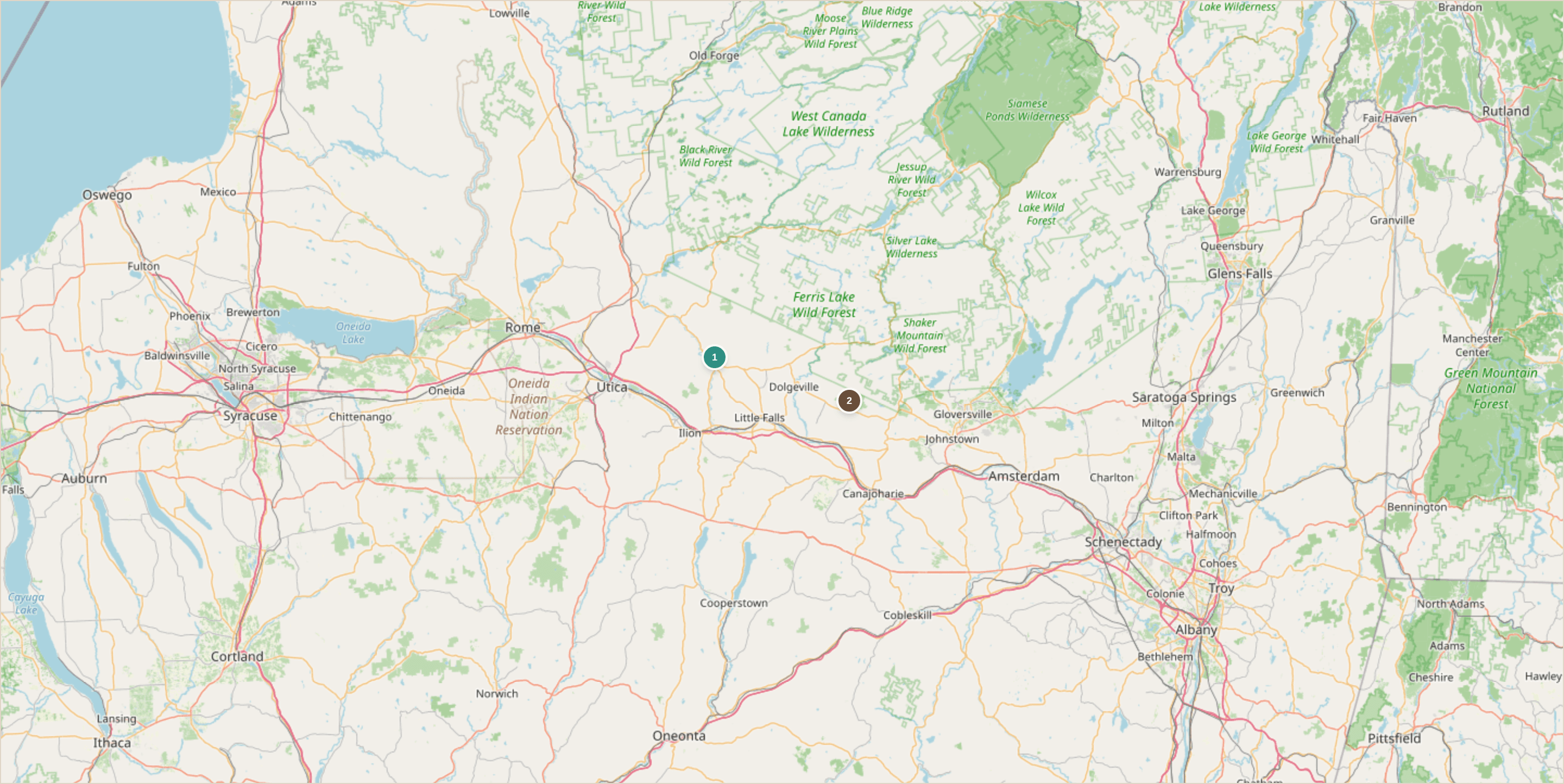
Sites where pyrite has been documented by our field team.
Your next step
Now that you know pyrite, here’s the logical next move.
Recommended next step
See where to find pyrite in the field
1 documented sites with GPS coordinates, access info, and collecting tips.
Sources & References
- Pyrite — Handbook of Mineralogy
- Pyrite Mineral Data — Webmineral
- Pyrite (GeoDIL number - 936) — Wikimedia Commons