
Table of Contents
Dugway is one of the more straightforward Utah rockhound destinations to understand, but it still rewards careful planning. The BLM page is clear that this is a public geode area where the most common mineral in the geodes is quartz, and the Utah Geological Survey backs that up with the same basic message: use existing diggings, stay patient, and do not turn the soft ground into a collapse hazard.
The biggest mistake first-time visitors make is assuming the site is a roadside pull-off with casual walk-up collecting. It is not. The drive is long, the ground is soft, and the best material usually comes from methodical work in spots that other people have already opened.
Best Rockhounding Sites at Dugway Geode Beds
The main geode beds are the obvious destination, but the practical unit of success here is usually an existing excavation or a patch of ground that shows recent digging. Once you understand that, the site becomes less mysterious and more like a controlled search through a very specific layer of west-desert sediment.
Main Dugway Geode Beds
The BLM's Dugway page says the geode beds are a rockhounding hotspot where the most common mineral found inside the geodes is quartz in clear, purple, and pink varieties. The official directions, coordinates, and safety warning all point to the same conclusion: this is a real public collecting site, but it rewards patience and punishes sloppy digging.
Tip: Look for previously excavated ground and follow any BLM signs that mark the current turnoff or pit area. The official advice is to be careful because the soft material can cave in without much warning.
Older excavation pits and exposed horizons
The Utah Geological Survey says the easiest way to find geodes is to work areas of past excavations and dig to the correct horizon in the soft, unconsolidated material. That is the right mental model here: do not try to invent a new technique when the beds already tell you where the geodes live.
Tip: Bring a shovel, pick, safety glasses, a hammer, and a way to carry whole geodes home intact. If you do not see recent digging or the ground feels unstable, move on instead of expanding the hole.
Pony Express Road approach
This is not a collecting site so much as a logistics checkpoint, but it matters enough to include. The BLM and Utah Geological Survey both describe a long dirt-road approach from the west, and the road itself is part of the trip planning because a wrong turn, a flat tire, or weather can eat your day before you ever reach the dig area.
Tip: Track your odometer, not just your map. Carry extra water and a spare tire, and do not assume cell coverage will save you if you miss the turnoff.
Rocks and Minerals You Can Find at Dugway Geode Beds
Geodes are the whole point. The official descriptions say the inside of the geodes most commonly contains quartz in clear, purple, or pink colors, with the Utah Geological Survey adding that some geodes are hollow while others are completely filled with massive or banded quartz. That means the prize is not just the outer shell, but the cut or opened interior once you get the specimen home.
The surrounding material is not especially varied, so this is not the place to expect a long mineral checklist. If you want a focused Utah day with a clear collecting goal, though, geodes are about as good as it gets.
- Quartz-lined geodes are the main target.
- Clear, amethyst, and rose quartz are all documented in the beds.
- Some geodes are hollow and some are nearly solid with quartz.
Dugway Geode Beds Rockhounding Rules & Access
The access story is unusually clean for a public collecting site: the Utah Geological Survey says the beds are on BLM public land, free to the public to collect, with no permits or permissions required and no current mining claims. That does not remove the need to stay alert, but it does remove a lot of guesswork about whether you are allowed to be there.
The BLM still sets the practical limits. Tunneling is not allowed, soft material can cave in, and the site has no services. That combination is what keeps Dugway in the easy-to-understand, moderate-to-work bucket instead of the drive-up-and-hope bucket.
| Access question | Practical answer |
|---|---|
| Permits | No permit required for casual public collecting. |
| Tunneling | Unsafe and not permitted. |
| Ground stability | Soft material can collapse; use existing diggings and keep the work shallow. |
Best Time to Go Rockhounding at Dugway Geode Beds
Spring and fall are the sensible seasons because temperatures are easier to manage and the road is less punishing. Dry weather matters more than a specific month here. A warm, dry day in late season is usually better than a cooler day after a storm.
The official Utah Geological Survey note also suggests checking weather before you go. That is not generic boilerplate here; the road and the ground actually change with moisture, and the nearest practical services are not close enough to make a bad day convenient.
Recommended Gear
Bring a shovel, pick, safety glasses, hammer, gloves, water, sunscreen, and a way to package whole geodes for the trip home. A vehicle with good clearance and a functional spare tire is the conservative choice.
The hammer is the one item worth choosing on purpose. Our rock hammer guide explains the difference between a pointed pick and a hammer meant for driving a chisel, which is the pairing that opens a geode cleanly.
If you want to crack geodes on site, keep the tools simple and deliberate. The goal is to leave with intact specimens, not a pile of broken stone because the first swing was too hard or the work area was too crowded.
Safety Tips
Soft material, caving, and long-distance self-sufficiency are the big risks. The BLM says to be careful because the digging medium can collapse at any time, and the Utah Geological Survey notes that there are no services or bathrooms in the area. That means you should plan the whole day before you commit to the road.
Use eye protection any time you break geodes, and do not camp on or near the pits. If you are tired enough to start making rushed choices, the site is already telling you to stop for the day.
Common Mistakes
- Trying to tunnel because the soft ground looks easy to move.
- Arriving without a spare tire, extra water, or eye protection.
- Ignoring the difference between old diggings and unstable fresh holes.
- Camping directly on the excavation pits.
- Expecting services in a place the official page says has none.
FAQ
Dugway is a good example of a site where the legal status is friendly, but the field conditions still demand discipline. If you treat it like a dry, remote, shallow-dig geode field, it makes sense. If you treat it like a normal picnic-area outing, it does not.
Planning your first collecting trip?
Most beginners skip the preparation step. Don’t — our beginner’s guide covers gear, safety, and field ID basics that’ll save you time and frustration.
Community
Recent discussion about Dugway Geode Beds
Field reports, tip-offs, and follow-up questions that belong next to this location guide.
Local discussion loads after the page is ready so the guide itself stays fast and fully readable.
Loading recent discussion for this area...
Frequently Asked Questions
No permit is required for casual collecting on the BLM public land area, according to the Utah Geological Survey update. That said, the site is still a public-land field location, so the usual land and safety rules apply.
No. The official BLM page specifically says tunneling is unsafe and not permitted. Keep your digging shallow and use existing excavations instead of creating unstable underground space.
The BLM page says the geodes are typically around 2 to 4 inches, and the Utah Geological Survey says most are about 2 to 3 inches. Bigger ones exist, but those are not the expectation.
No. The official page says there are no services or bathrooms in the area, with Fish Springs National Wildlife Refuge being the closest place mentioned for restrooms and running water.
Yes, the Utah Geological Survey says camping is allowed and free, but you should avoid camping on the excavation pits and keep your camp low-impact.
Collecting sites in Dugway Geode Beds
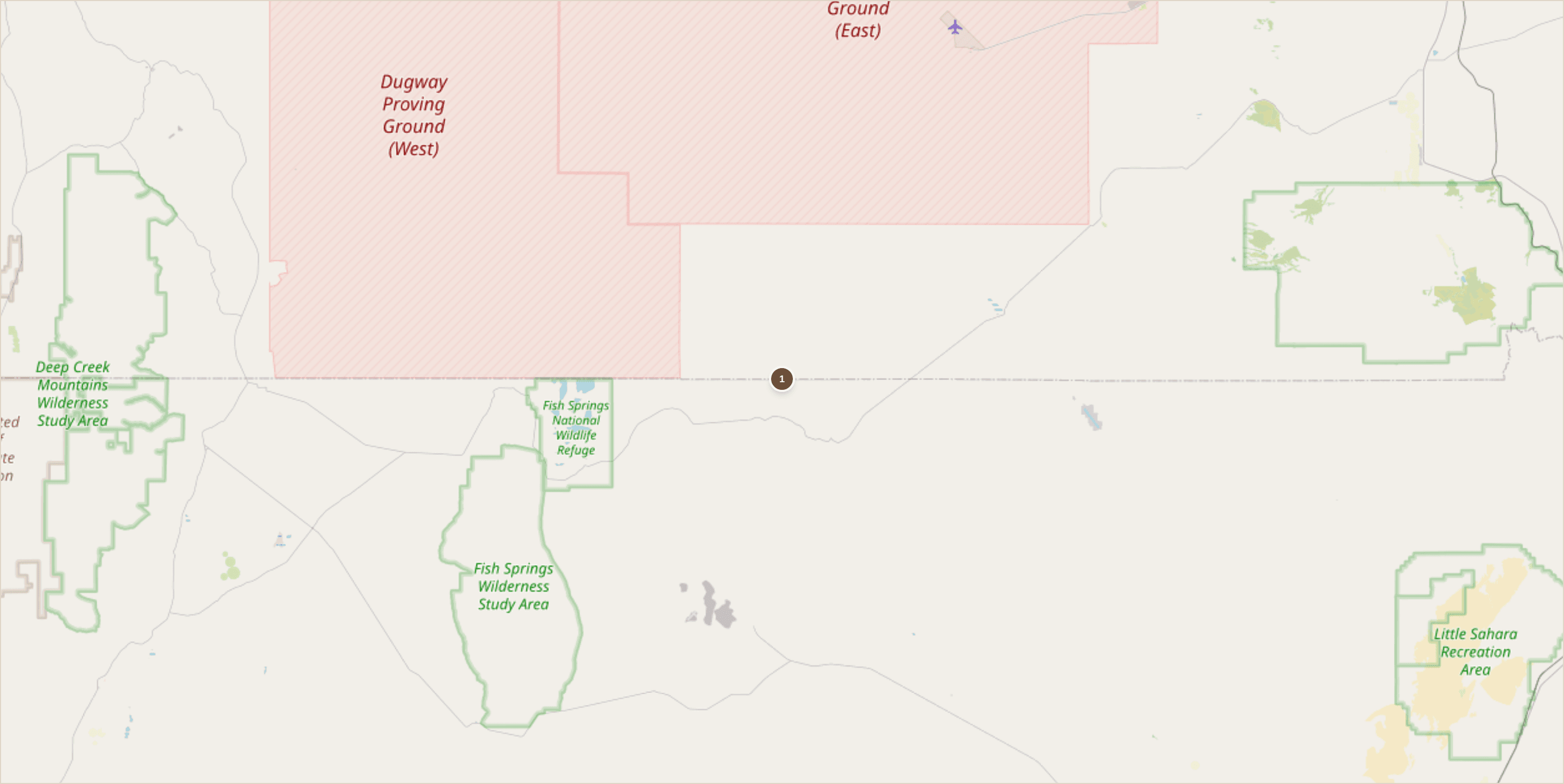
Click a marker for site details on the map.
Loading map...
Your next step
Heading to Dugway Geode Beds? Read this before you go.
Recommended next step
Learn to identify what you find in Dugway Geode Beds
Practical field tests for the minerals at this site — streak, hardness, luster, and crystal habit.
Sources & References
- Dugway Geode Beds — U.S. Department of the Interior, Bureau of Land Management
- The Rockhounder: Dugway Geode Beds, Juab County — Utah Geological Survey
- Rockhounding on Public Lands — U.S. Department of the Interior, Bureau of Land Management