
Table of Contents
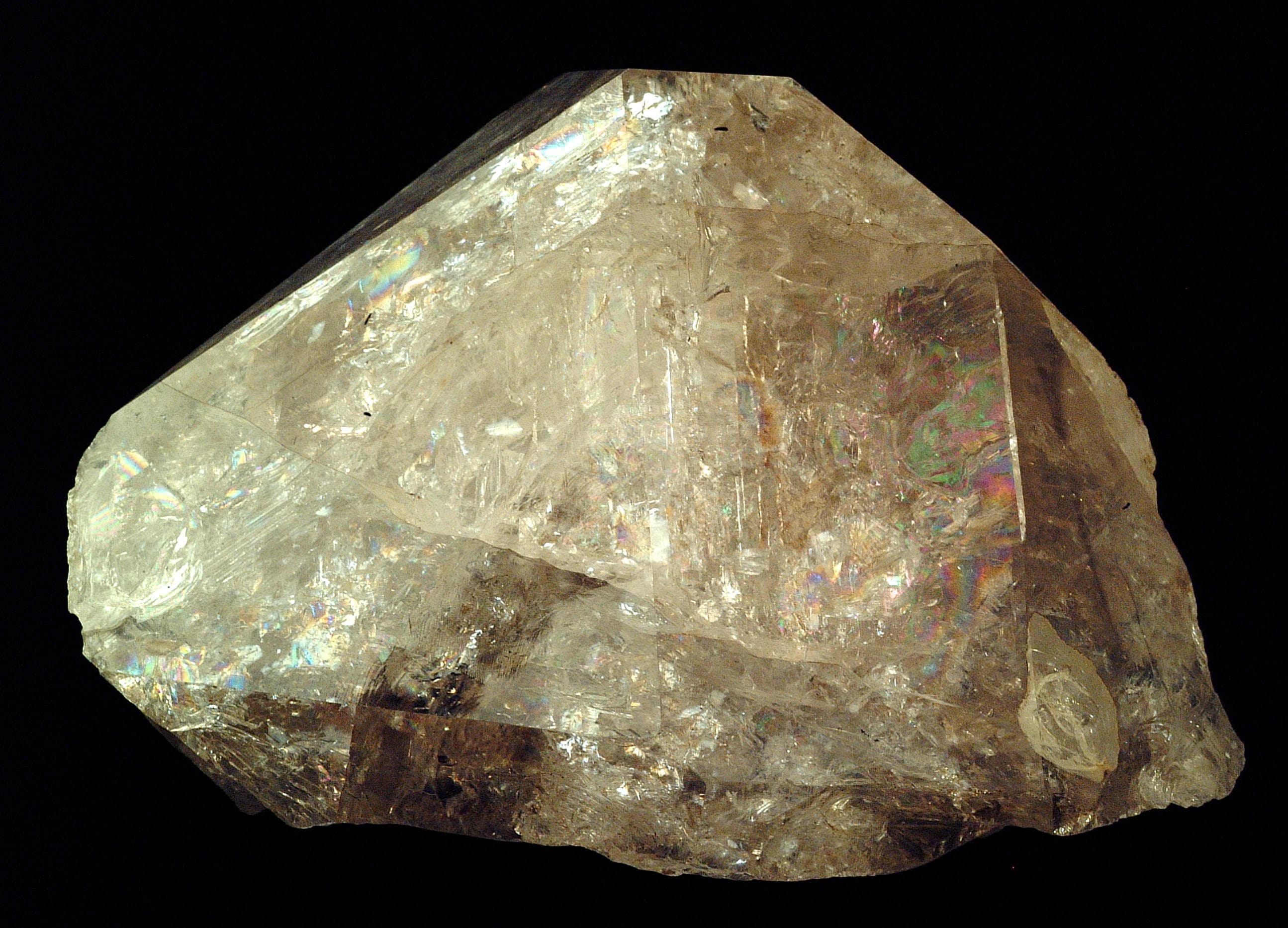
Matrix crystals are crystals still attached to their host material. The phrase is collector language, not a species name, but it matters because attachment changes how a specimen is judged, cleaned, displayed, and interpreted. A matrix specimen preserves geological context that a loose single crystal often cannot.
That context can be visual, scientific, or both. Host rock, vein fill, pocket lining, and crystal orientation all help explain how the specimen formed. For many collectors, that attached relationship is the whole point of the piece.
What The Term Means
In practice, matrix means the crystal is still sitting on vein quartz, host rock, pocket wall material, pegmatite, dolomite, or whatever rock it actually grew from. That context can be both scientific and aesthetic. The host rock is not just background decoration. It is evidence of how the crystal occupied real space in the deposit.
Why Collectors Like It
- It preserves growth context.
- It can stabilize fragile crystals.
- It often makes the specimen look more natural and complete.
- It can make the geological context easier to understand at a glance.
Tradeoffs Compared With Loose Crystals
Matrix adds context, but it also adds weight, cleaning difficulty, and visual complexity. Loose crystals may show both ends better, while matrix specimens often tell a stronger pocket story. A matrix piece can feel more complete even when the individual crystal is less exposed than it would be as a trimmed loose point.
The tradeoff is that matrix also preserves flaws in place. Soft host rock can crumble, iron-rich coatings may be harder to remove, and a specimen can become visually cluttered if the host material overwhelms the crystal rather than supporting it.
Cleaning and Preparation
Matrix specimens should be cleaned with more restraint because the host rock may be softer, more reactive, or structurally weaker than the crystal itself. Cleaning choices that are fine for a loose quartz point can damage a mixed-material specimen quickly. A preparation method that sharpens one part of the specimen may permanently undercut another.
The best approach is usually to decide what the host rock contributes before you touch anything. If the matrix is carrying geological context, contrast, or structural support, aggressive trimming may make the specimen simpler but objectively worse.
Before you go collecting…
Most beginners head out without knowing the basics. Our beginner’s guide covers gear, safety, and the field tests that’ll help you identify what you find.
Frequently Asked Questions
Not automatically. Many collectors value matrix for context and aesthetics, but others prefer isolated crystals with complete terminations.
Matrix shows how the crystal actually formed in the host rock or pocket. That geological context can make a specimen more informative and often more visually interesting.
Your next step
Now that you know matrix crystals, here’s the logical next move.
Recommended next step
Find collecting locations near you
Detailed field guides to rockhounding sites across the country.
Sources & References
- Quartz (GeoDIL number - 935) — Wikimedia Commons